Sanjay Gandhi National Park
Mumbai

Sanjay Gandhi National Park

Skip-the-lineFamily-friendlyValid 1 day

About Sanjay Gandhi National Park

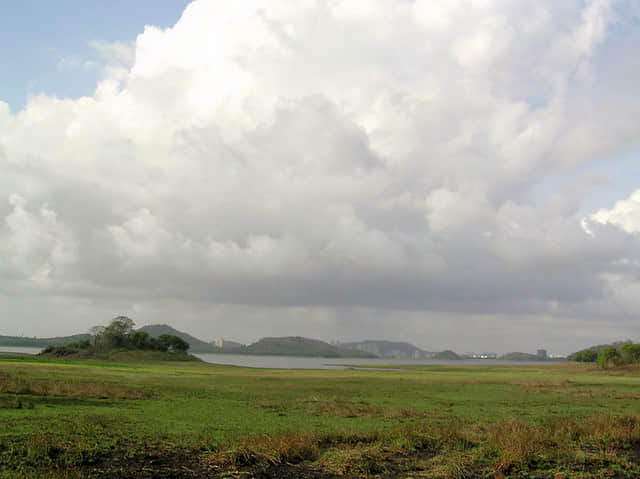
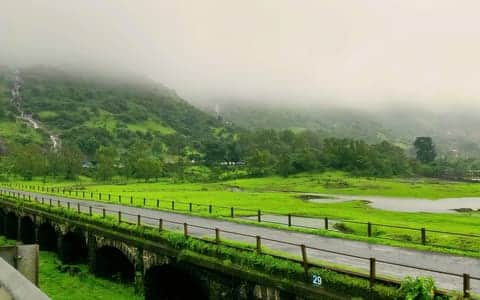
Sanjay Gandhi National Park, previously known as Borivali National Park in Mumbai is one of the popular picnic spots for locals as well as visitors of the city. The park covers about 20% of Mumbai’s geographical area and invites nature lovers to experience greenery, wildlife, rocky cliffs, caves and a number of tourist attractions located inside the park.

With an area of 103 square kilometres, Sanjay Gandhi National Park is one of the largest parks situated within the city limits and is also believed to be one of Asia’s most visited parks. The national park is home to a surprising number of two hundred and fifty-four species of birds, forty species of mammals, seventy-eight species of reptiles and amphibians, about one fifty species of butterflies and over a staggering 1,300 species of plants.

The park houses animals like leopards, deer, flying fox, boars along with beautiful birds like butterflies, kingfisher, sunbirds. Inside the forest, there are two artificial lakes. These lakes invite a number of migratory birds every year and also have crocodiles wandering at its shore.

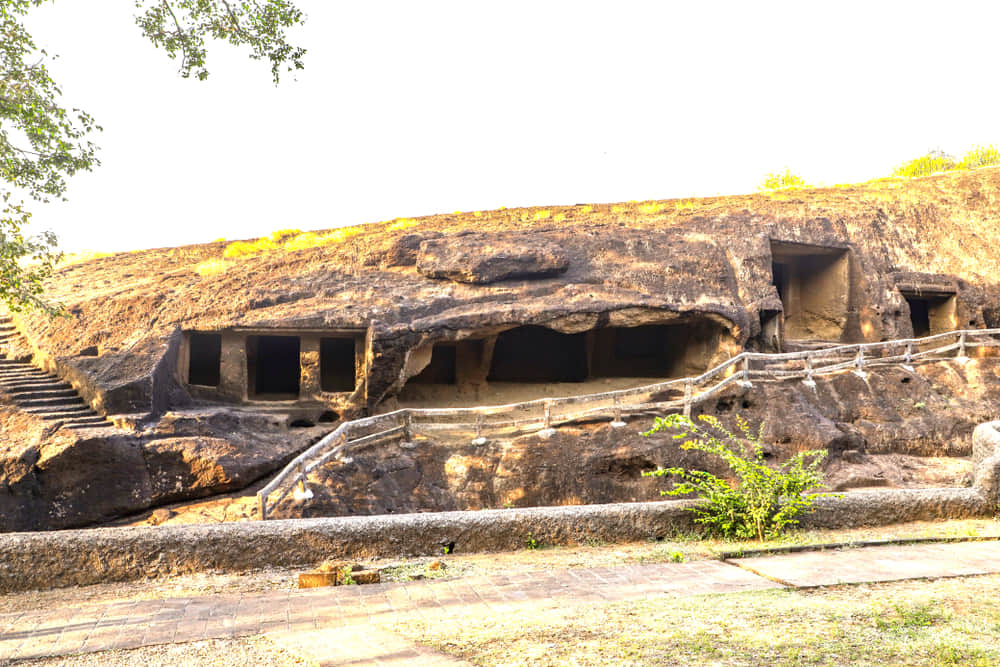
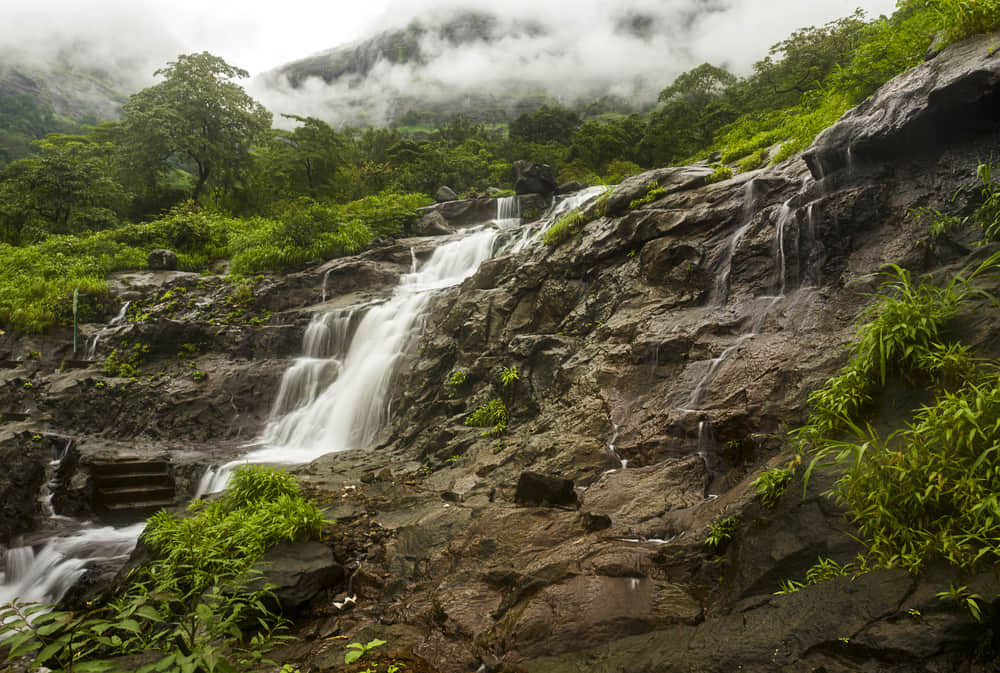
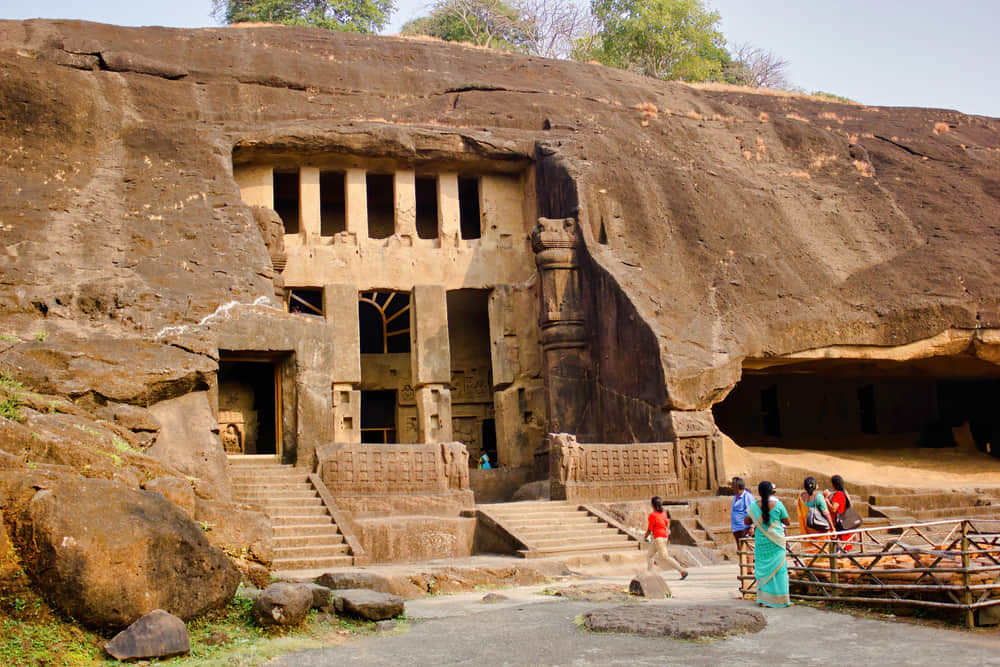
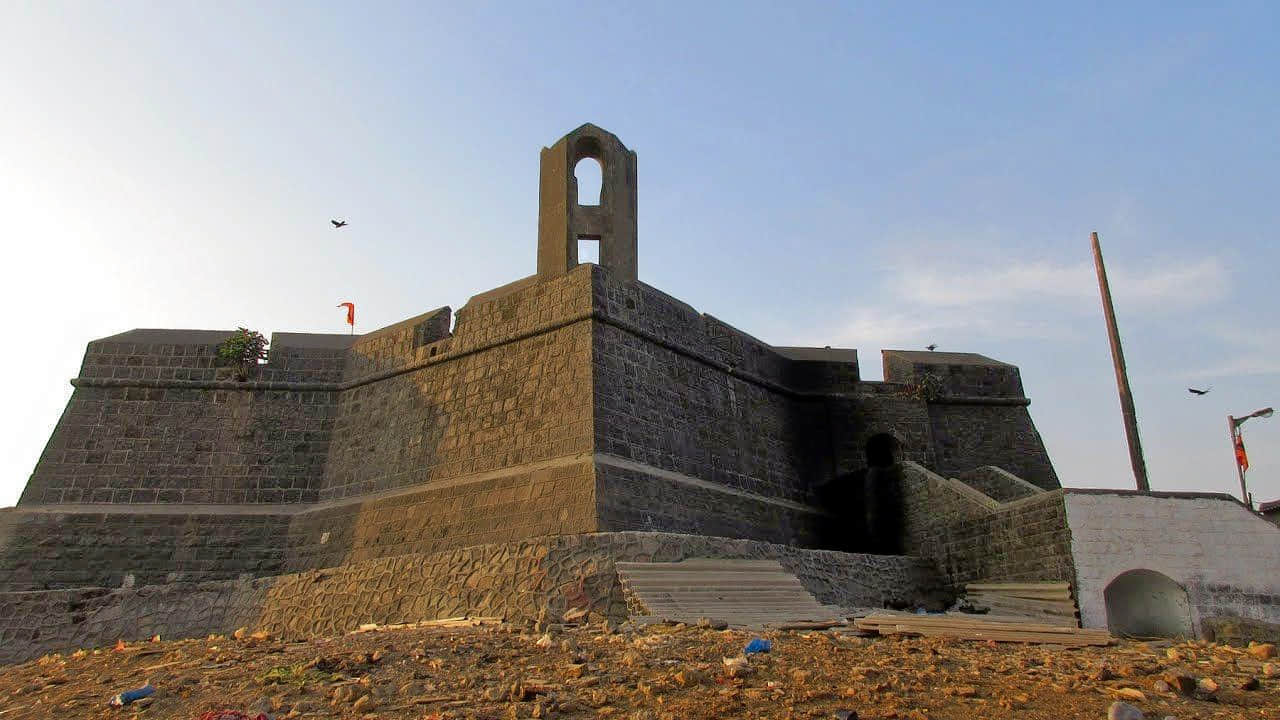
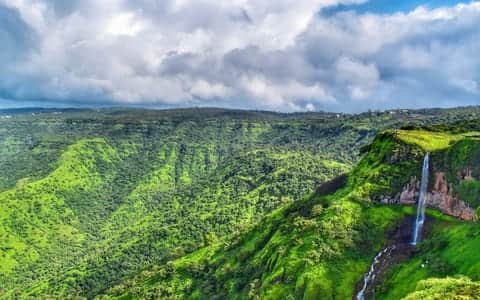
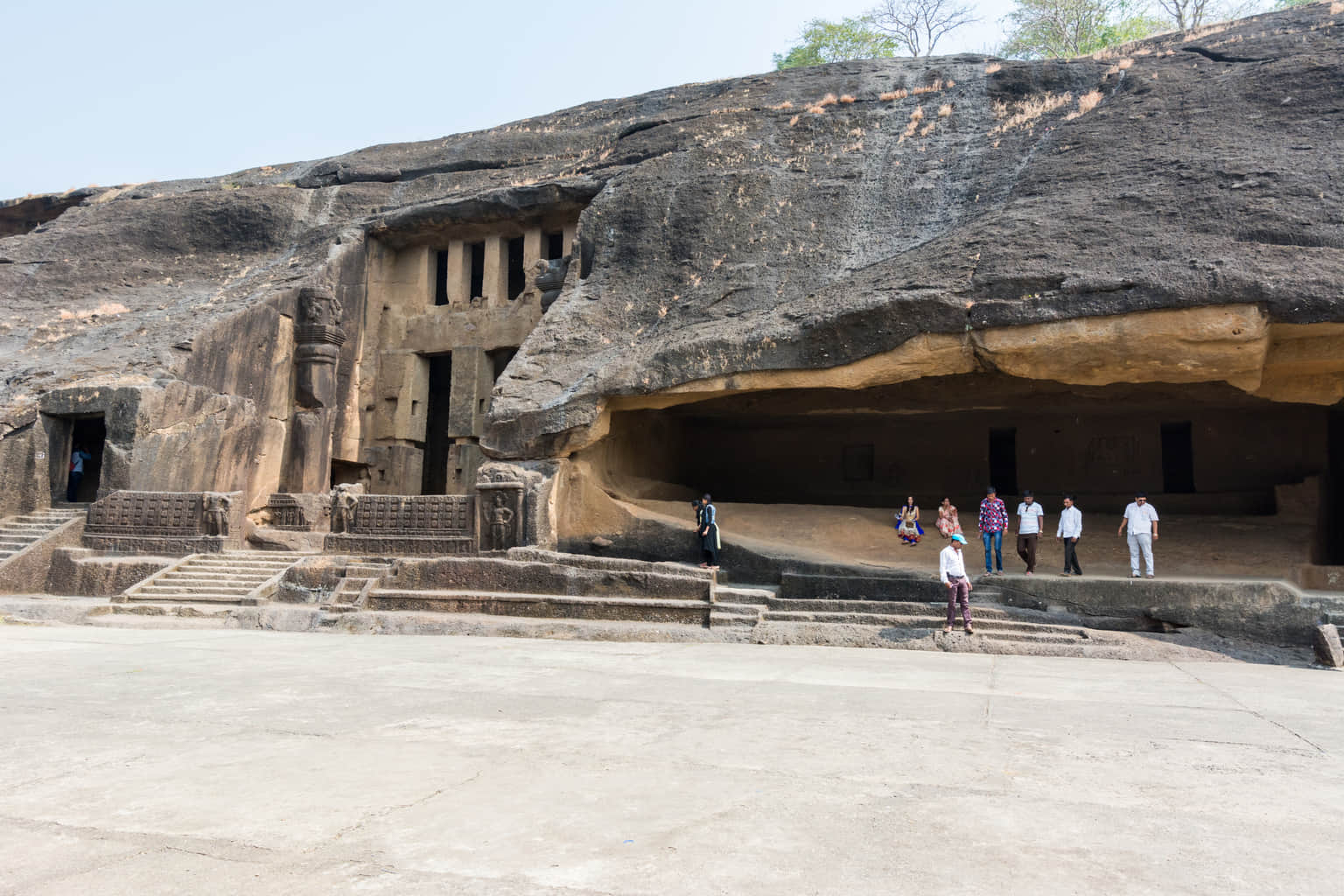
Likewise, the park has Kanheri caves inside its premises. Kanheri caves are carved out of rocky cliffs and are over two thousand years old. These caves make for one of the major tourist attractions at Sanjay Gandhi National Park. Landscape wise, the national park offers the best views during the monsoons when the trees are lush green and streams of water flow in full swing.

On other days, a cycling tour here is the best way to go around the park and explore the nooks and corners; as walking could bring about restrictions after a certain point.

Recognised by the world's travel authorities
Adfbvcs
Bsfdg
Sacx
Sdcd
Wersfv

Sanjay Gandhi National Park Best Time to Reach

The months of July to mid-October are rainy months when dense trees in the forest appear the best; making the entire forest look lush green. Therefore, this is a good time to visit the park. However, for tourists who do not prefer venturing out in the rain, October to January - the winter months make for the best time to visit Sanjay Gandhi National Park.

The temperature ranges between 18 to 20 degrees and is great for indulging in outdoor activities like trekking and camping. The summer months of February to April are very hot for an outdoor day in Mumbai and thus must be avoided.

Thrillophilia

Why Choose Thrillophilia?

3 Million+

Happy customers from 70+ countries all around.

4.8/5

Rated across Trip Advisor and Google reviews.

Curated With Love

Special curated Indian itineraries built for Indians.

24/7 Assistance

Always there to help before and during trips.

Sanjay Gandhi National Park Other Essential Information

Location: Western Express Highway, Near Chikuwadi, Borivali East, Mumbai

History of Sanjay Gandhi National Park:


In the pre-independence era, Sanjay Gandhi National Park was called as Krishnagiri National Park. It was as small as twenty-six kilometres in its area. The park became its current size in the year 1969 when nearby forest areas were added to the park. Later in the years, the park was renamed to Borivali National Park and over the years, was renamed once again to Sanjay Gandhi National Park in the fond memory of former Prime Minister Sanjay Gandhi.

In the fourth century, this national park served as an important trade route between India and Mesopotamia; and remained active for the longest of time. Moreover, today, the park also derives great historical importance because of Kanheri Caves located inside the park. As in the 9th century, the caves were an important centre for Buddhist learning. The caves also acted as a pilgrimage site for Buddhist monks who came from across India and the world.

These caves were carved out of huge basaltic rocks and today, stand over two thousand years old. With time, Sanjay Gandhi National Park made its fame as one of the largest parks situated amidst the city, not only in India but across the whole of Asia.

Tips for Visiting Sanjay Gandhi National Park:

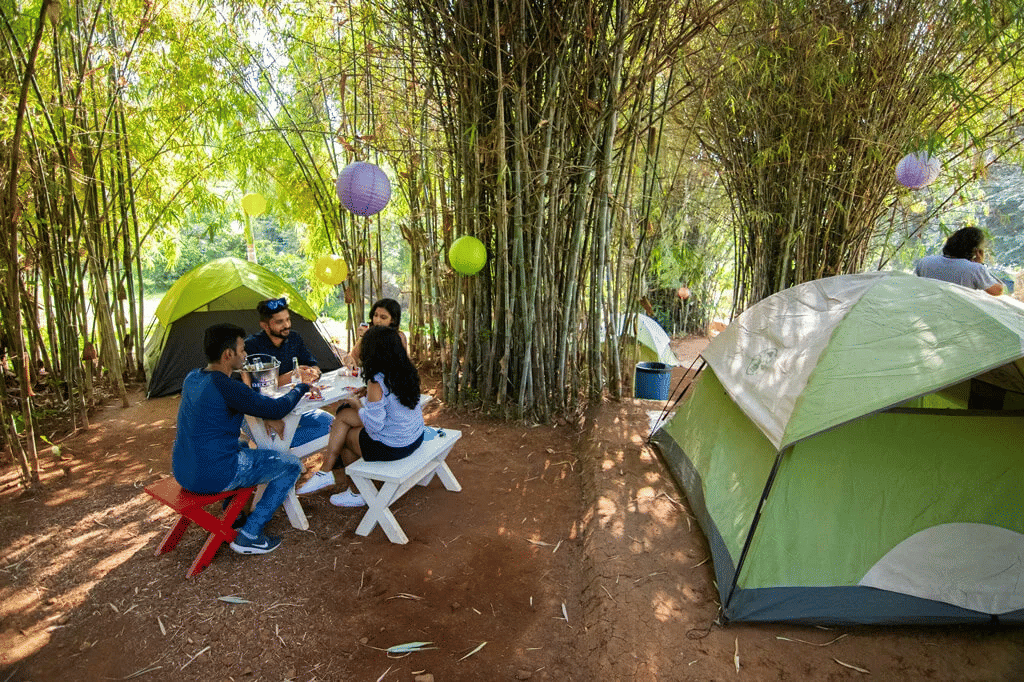
-It is advisable to wear trekking shoes or sports shoes to the park as the day shall include a lot of walking. Similarly, for clothes - loose, comfort pants, track pants, and t-shirts work well.

-If you do not wish to indulge in walking, hiring a cycle can be a good idea to go around the park.

-It is best to carry water bottles and some food as there are no food joints or canteen inside the park.

-The winter months of November to January remain cold, thus, make sure to dress accordingly.

-Similarly, one is advised to carry raincoats, umbrellas during the monsoon months of June to mid-October.

-As the park is open for 6 days a week, being closed every Monday, make sure you plan your visit accordingly. Timings of the park are 7:30 AM to 6:30 PM

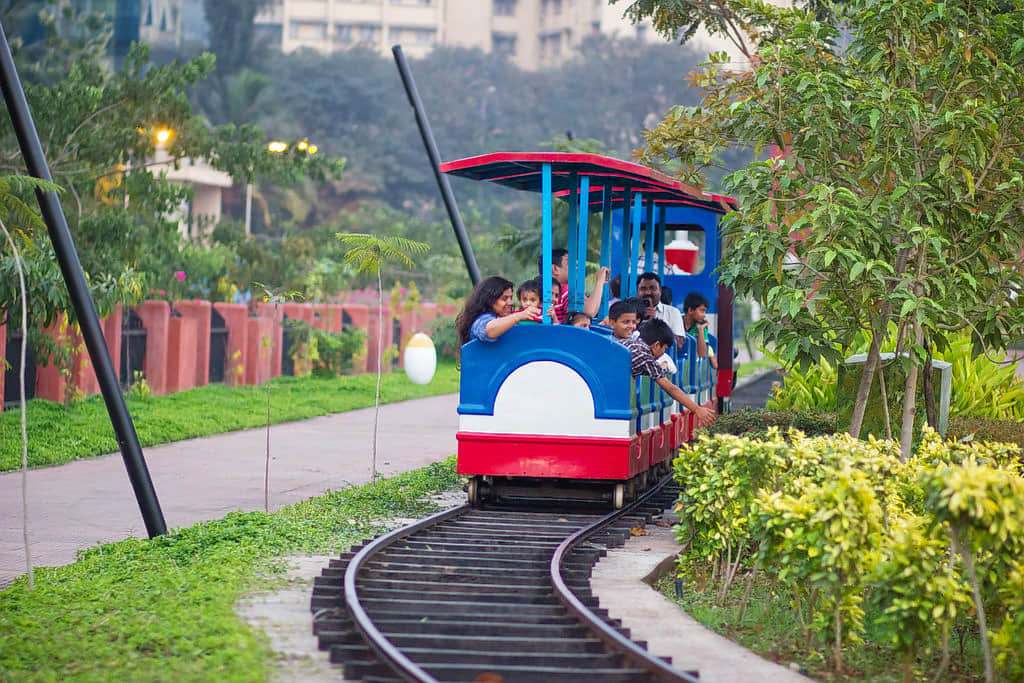
-Tickets to activities like Safari ride, boating, Min train - Van Rani have to be bought separately. The cost of these activities are not included in the entry fee.

-Please be advised that the last toy train ride departs at 5:30 PM every day.

-Keep a safe distance from animals, respect their privacy and you will be rewarded with good sightings

Trussted Partners

Hotel & resort partners
Hotel & resort partnerHotel & resort partnerHotel & resort partnerHotel & resort partnerHotel & resort partner
Tourism boards
Tourism board partnerTourism board partnerTourism board partnerTourism board partnerTourism board partnerTourism board partner

How to Reach Sanjay Gandhi National Park

Sanjay Gandhi National Park can be reached directly by hiring a local auto-rickshaw, taxi or booking cab services. The distance between these two points is not more than 30 kilometres, thus the fare may range between INR 200 to 350. For an economical option, one can look for buses that run highway to highway and get off at Borivali East highway. Or one may board a train from Andheri or Vile Parle railway station and get off at Borivali railway station; thereafter take an auto-rickshaw ride until the park.

Sanjay Gandhi National Park FAQs