Location: Piazza Della Signoria, Florence, Italy
Distance from nearest Airport: 10.3 km from Florence Airport
Timing: Open 24x7
Entry Fee: Free
History of Piazza Della Signoria

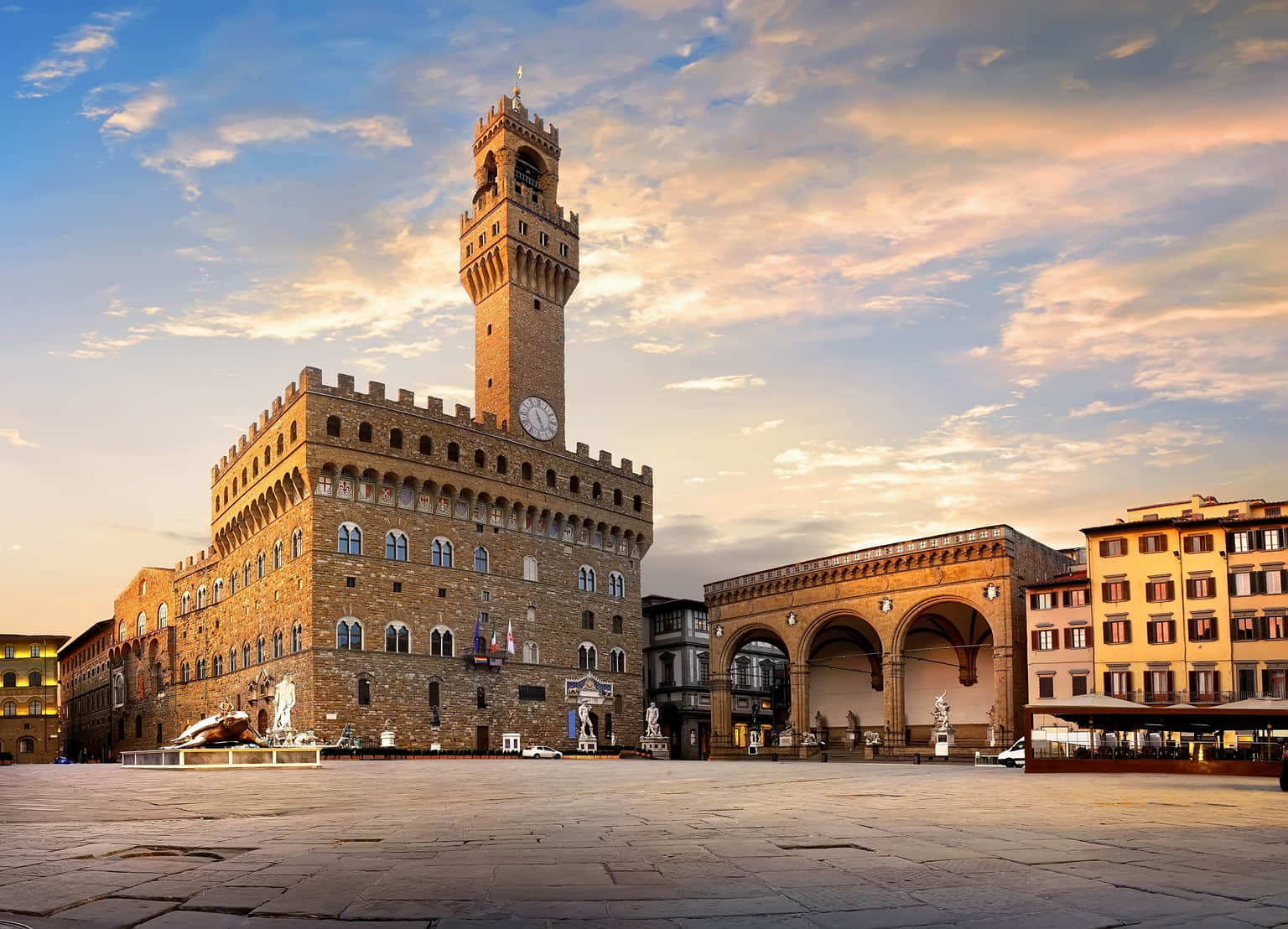
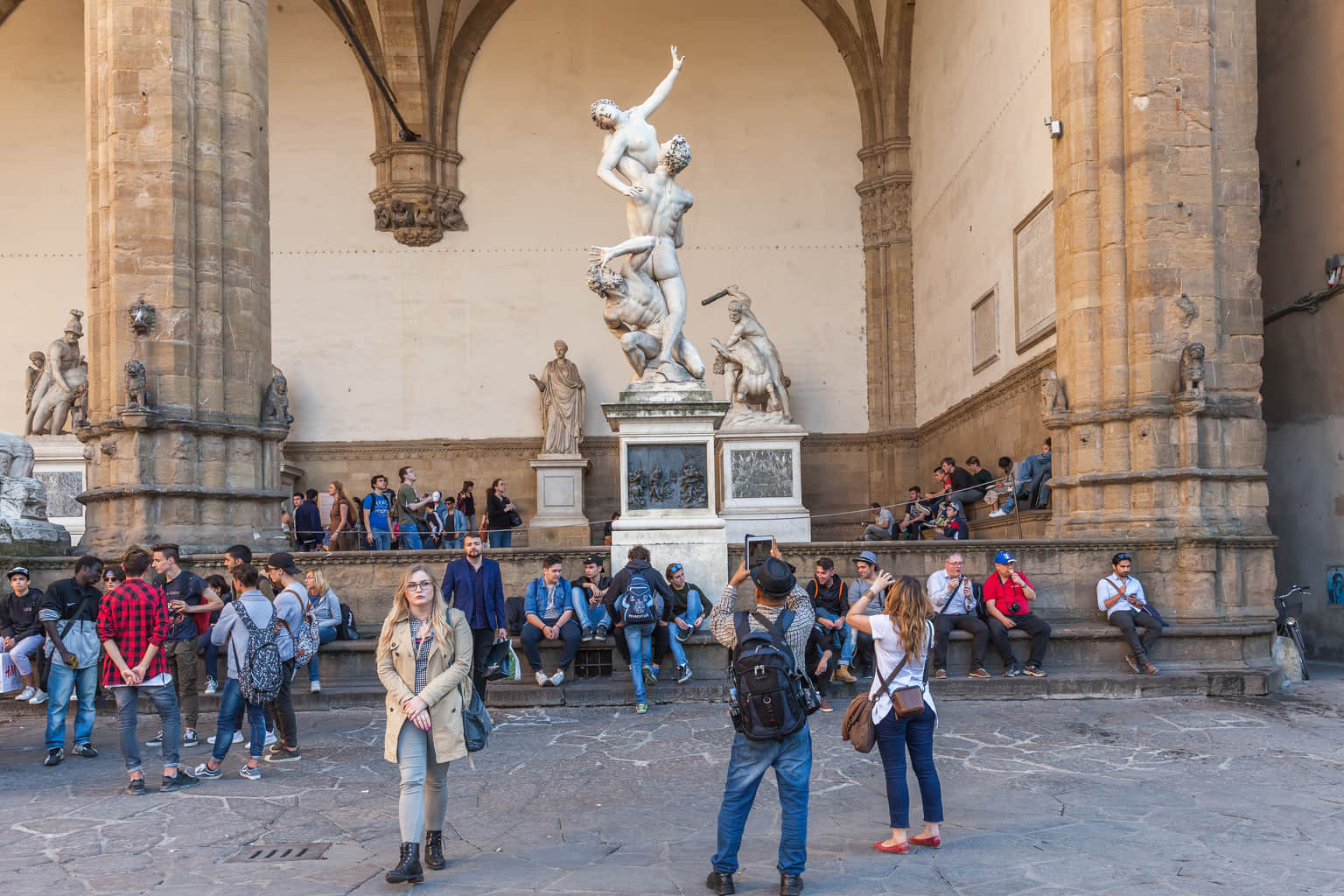
The Piazza Della Signoria belongs to the 13th century when the followers of pope defeated the followers of the Roman Emperor and all the property that belonged to his followers were taken away. Under the democratic rule of the Signoria, Palazzo Vecchio and Loggia Dei Priori (now Loggia Dei Lanzi) were built around the Della Signoria in the 14th century.
Later, the Medici family ruled Florence who was replaced and exiled by the monk Savonarola(1452-98). As Savonarola was sentenced to death, many revolts started to happen during 1527 and 1530 by the foreign troops, in those years statues like Judith and Holofernes were designed and hosted at the Piazza Della Signoria that symbolized Florence’s longing for freedom.
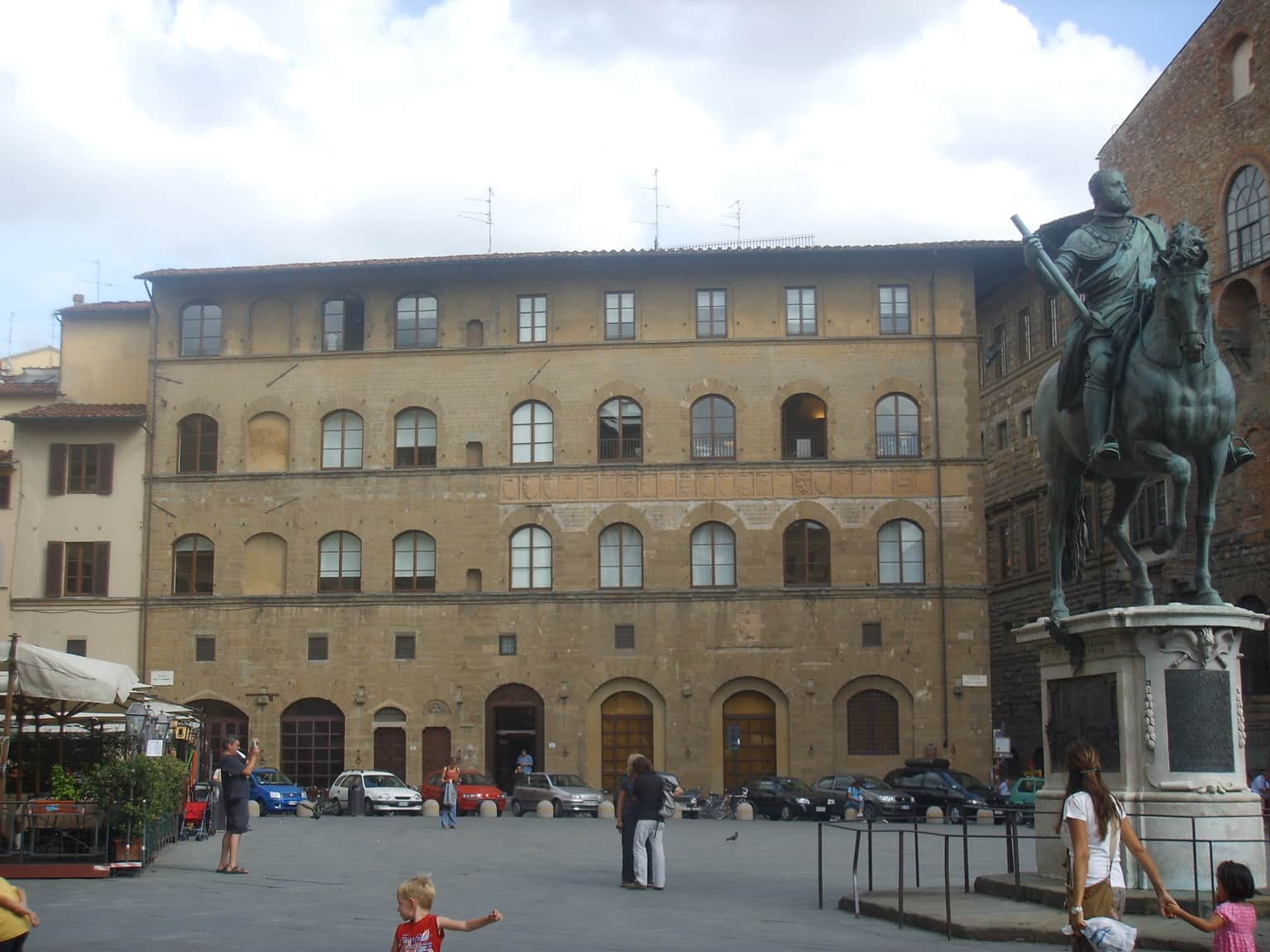
In 1540, Piazza Della Signoria saw a turn of events as Cosimo I de Medici took hold of the power and displayed the sculptors of Perseus with the head of Medusa and commanded the construction of the Neptune fountain. Therefore, the historical events that took place at Florence were witnessed by the Piazza and years added to the other statues at the town square as well as the paintings at the museums nearby.
Suggested Read: Places To Visit In Florence
The Bonfire of The Vanities

On 7th February 1497, the Piazza Della Signoria witnessed the ill-famed bonfire of the Vanities in which the disciples of Dominican Friar Savonarola burned all the objects that were said to tempt people to commit sins. The cosmetics, vanities, mirrors, and play cards were all considered to cause sin and thus they were burnt.
There were also many musical instruments, books, manuscripts, and many famous paintings which were thrown into the fire as they were contemplated to mislead people. Savonarola, for his bad deeds, was infamous as ‘Mad Monk’ and his rigidity towards his idea of religious purity influenced people very strongly.
Even the greatest painter Botticelli was also embangled by Savonarola’s beliefs and tossed his masterpieces into the fire. Later, Botticelli only focussed to creating paintings of religious importance. Later on, in 1498 the Savonarola paid for his ill deeds as he received a death sentence at a similar bonfire.
Do Read: Things To Do In Florence With Kids
Tips for Visiting Piazza Della Signoria

Florence has many historic art and sculptures to offer and thus, it is important to plan your trip to enjoy all of them in a limited time.
- Visit Piazza Della Signoria in the morning hours and not during peak hours.
- Stroll around rather than taking a taxi.
- Save time to visit Piazza Vecchio and Loggia dei Lanzi.
- Do your homework before visiting for a better understanding of the sculptors.
- Take a guided tour and let yourself sink in the Italian Renaissance.
- Don’t forget to have delicious cuisines around Piazza Della Signoria.
Know More: Museums In Florence
Attractions Near Piazza Della Signoria

1. Bargello National Museum: The Bargello palace which is now a National Museum houses the work of Michelangelo in huge numbers along with the other prominent works of great artists like Donatello, Benvenuto Cellini, Ghiberti and many more. The Museum is decorated by bronze and stone sculptures as well as presents a view of the Tuscan craft.
Checkout Best Offers On: Bargello National Museum Tickets
2. House of Dante: Dante Alighieri was a 13th-century poet who is still recognized for his extraordinary work especially for his masterpiece, The Divine Comedy. The House of Dante belonged to the Alighieri family but as Dante was barred from the city, he did not live here. However, the place is now furnished as a popular museum that exhibits documents and paintings depicting the life of Dante.
3. Piazza di San Firenze: The Baroque-style complex of the 17th century, San Firenze is a popular tourist attraction for unconventional architecture. The building is a sandwich of a palace and two churches which were built in 1715 and 1775 respectively. Now the building belongs to the Tribunale which is Florence’s judicial authority.
4. Orsanmichele: Orsanmichele, also known as the church of San Michele in Orto belongs to the 14th century. The building was initially used as a trading hall however the exquisite stone carvings over the window arches done by artists like Ghiberti and Donatello lure tourists in large numbers. Bernardo Daddi’s painting of the Madonna inside the church is also a masterpiece.
5. Palazzo Gondi: The palace of the powerful Gondi family is inspired by the other buildings of the 15th century. Although the main reason for its popularity is not its architecture but the interiors which define the exceptional wealth of the Gondi family. Tourists never miss this place for the picturesque of Piazza Della Signoria, and the upper of Piazza Duomo from the roof of the palace.
Recommended Read: Florence In May





.jpg?w=1536&q=65&format=auto)