Location: This heritage structure is located at Swargate Bus Station, Parvati Paytha in Pune, Maharashtra 411009.
Places to Visit Near Parvati Hill:

1. Raja Dinkar Kelkar Museum: Located around 4 kilometres from Parvati Hill, this museum houses the huge and magnificent collection of Dr Dinkar G. Kelkar. This three-storeyed museum is dedicated to the memory of his son Raja and is home to many beautiful artefacts and sculptures, some of which date back to the 14th century.
2. Sarasbaug: Around 2.8 kilometres from Parvati Hill is Sarasbaug, which is a major landmark in Pune. There is a beautiful park in this 25-acre complex here which was formerly a small lake.
3. Sarasbaug Ganapathi Temple: The Sarasbaug Temple Complex is home to a Ganpati Temple, which has a stunning idol of Shri Siddhivinayak. The Sarasbaug Ganpati Temple is considered sacred by millions of devotees, both in Pune as well as around the world.
4. Samadhi Sthan of Shrimant Nanasaheb Peshwa: On climbing the 103 steps to the top of Parvati Hill, one can also find the Samadhi Sthan of Shrimant Nanasaheb Peshwa. It is located in the main entrance of the Parvati Museum.
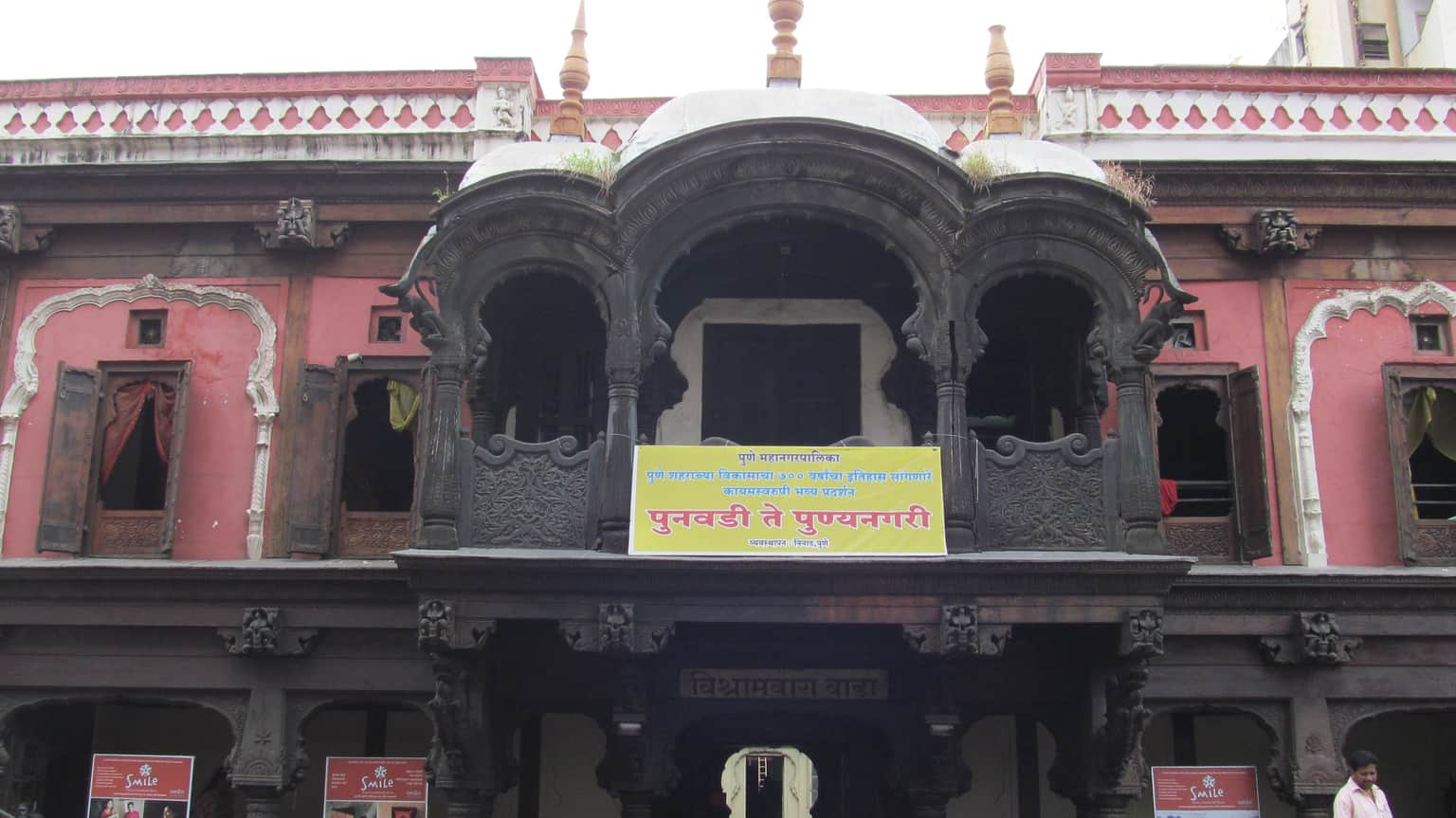
5. Vishram Bagh Wada: This is a colossal mansion located at the centre of Pune at Thorale Bajirao Road, around 4.3 kilometres from Parvati Hill. This palace served as the luxurious residence of the last Peshwa of the Maratha confederacy, Peshwa Bajirao II.
6. Pataleshwar Cave Temple: Situated almost 5.7 kilometres from Parvati Hill are the ancient Pataleshwar Cave Temples. Dedicated to the God of the Underworld, Lord Pataleshwar, this is a rock-cut cave temple, which was built in the 8th century, in the Rashtrakuta period.
Interesting facts about Parvati Hill:

There are many interesting facts surrounding Parvati Hill that many are unaware of. Some of these are mentioned below:
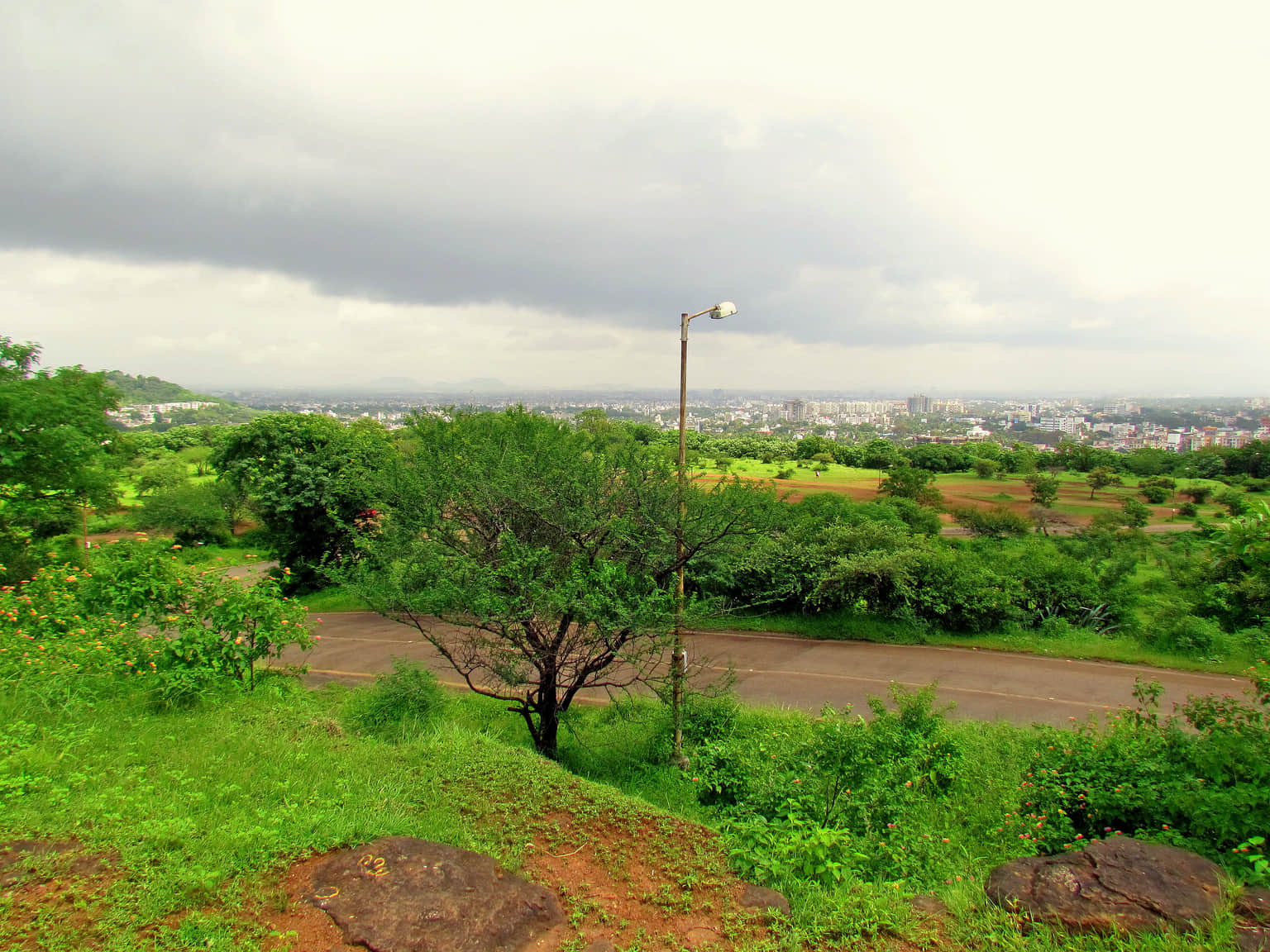
-The top of the Parvati Hill located 640 metres above sea level has the Parvati Temple Complex. This is also the area which was used by the erstwhile Peshwas to keep an eye on their invading enemies.
-The Peshwa Museum, which is located near the Parvati Temple, has many excerpts from the common Maratha life which are kept well preserved. People generally visit the museum to watch these artefacts, admire them as well as learn from them.
These artefacts further include ancient manuscripts, and the age-old inscriptions, along with many 17th century coins, idols and weapons. You can also find portraits and paintings of those times.
-Parvati Hill is also known as the watch ground of the Battle of Kirkee. It is from here that Balaji Bajirao, the King of the Peshwas, used to keep a watch on his enemies, the Britishers. It is also from here that he saw their defeat and ultimate retreat.
-Parvati Hill also has many old legends associated with it. One such saga states how Kashibai, Shrimant Nanasaheb’s mother, prayed for the recovery of her painful infected right foot.
After she pledged at the powerful temple, she recovered, and it is here where her son Nanasaheb later built the famous Parvati Temple, thereby fulfilling Kashibai’s vow.
-There’s another story in regards to the known black-stoned Devdeveshwara Temple on Parvati Hill. The story lies in the father-son relationship of respect and fondness between Nanasaheb and Chhatrapati Shahu Maharaj.
When the king passed away, Nanasaheb took the slippers of the late king along with a Lord Shiva idol made purely of silver and placed them next to the pure gold idol of Goddess Parvati and Ganesha in Parvati Temple. This is what then laid the foundation of the Devdeveshwar Temple on Parvati Hill.
-The Shiva Linga in the Devdeveshwar Temple is considered to be very special. Moreover, it is said to have its origin in the Gandaki River in Nepal. However, these idols were stolen sometime in 1932.
History of Parvati Hill:

A single hilltop that rests 640 metres above sea level, Parvati Hill has a rich history that dates back to the 17th century. Famous since the days of the Maratha rule, there were many small shrines on its peak. It is during his rule as king when Shivaji Maharaj granted the rights and the seal of Parvati Hill to Priest Mahadbhat, the son of Mudgal Bharat Purandare to maintain the shrines.
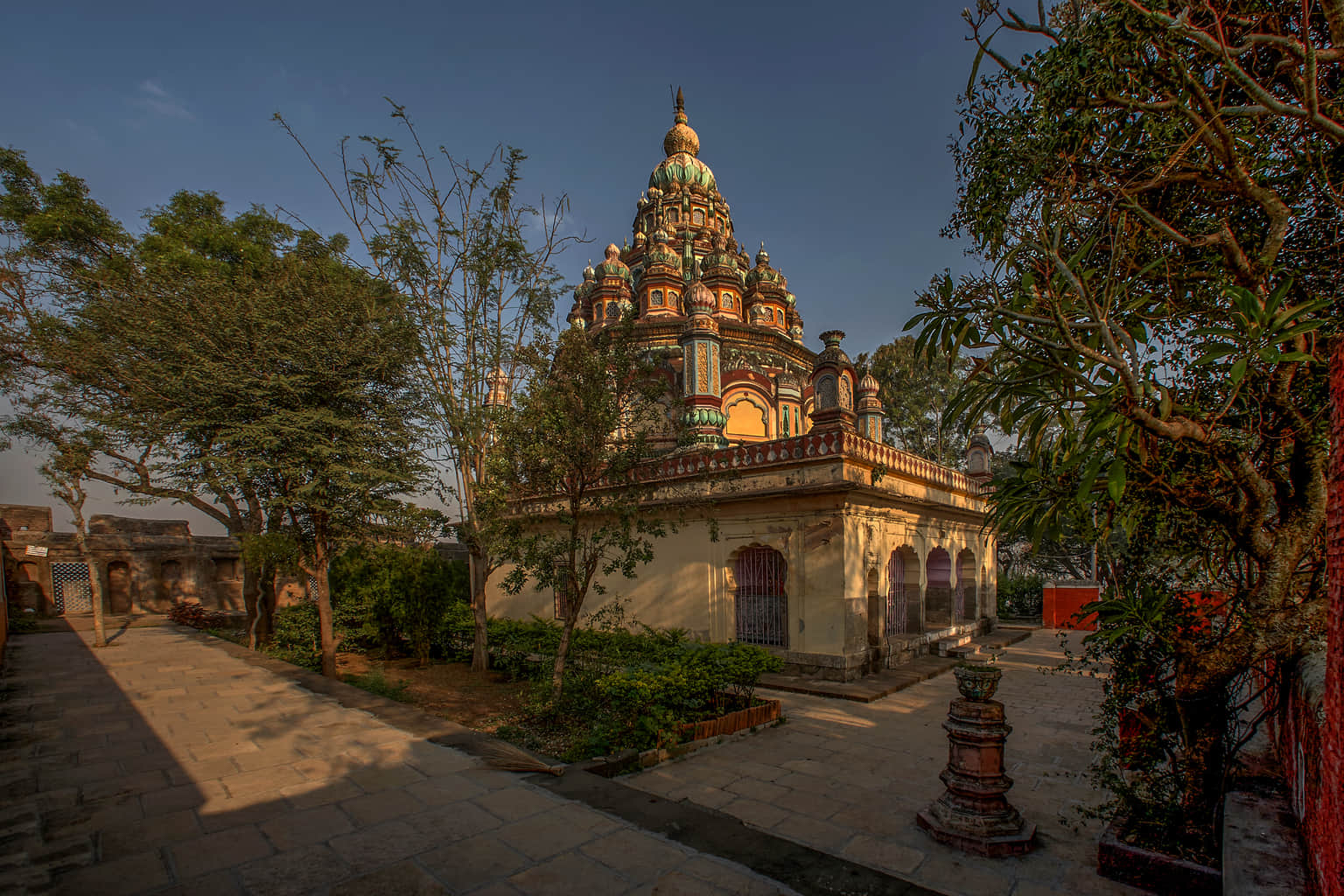
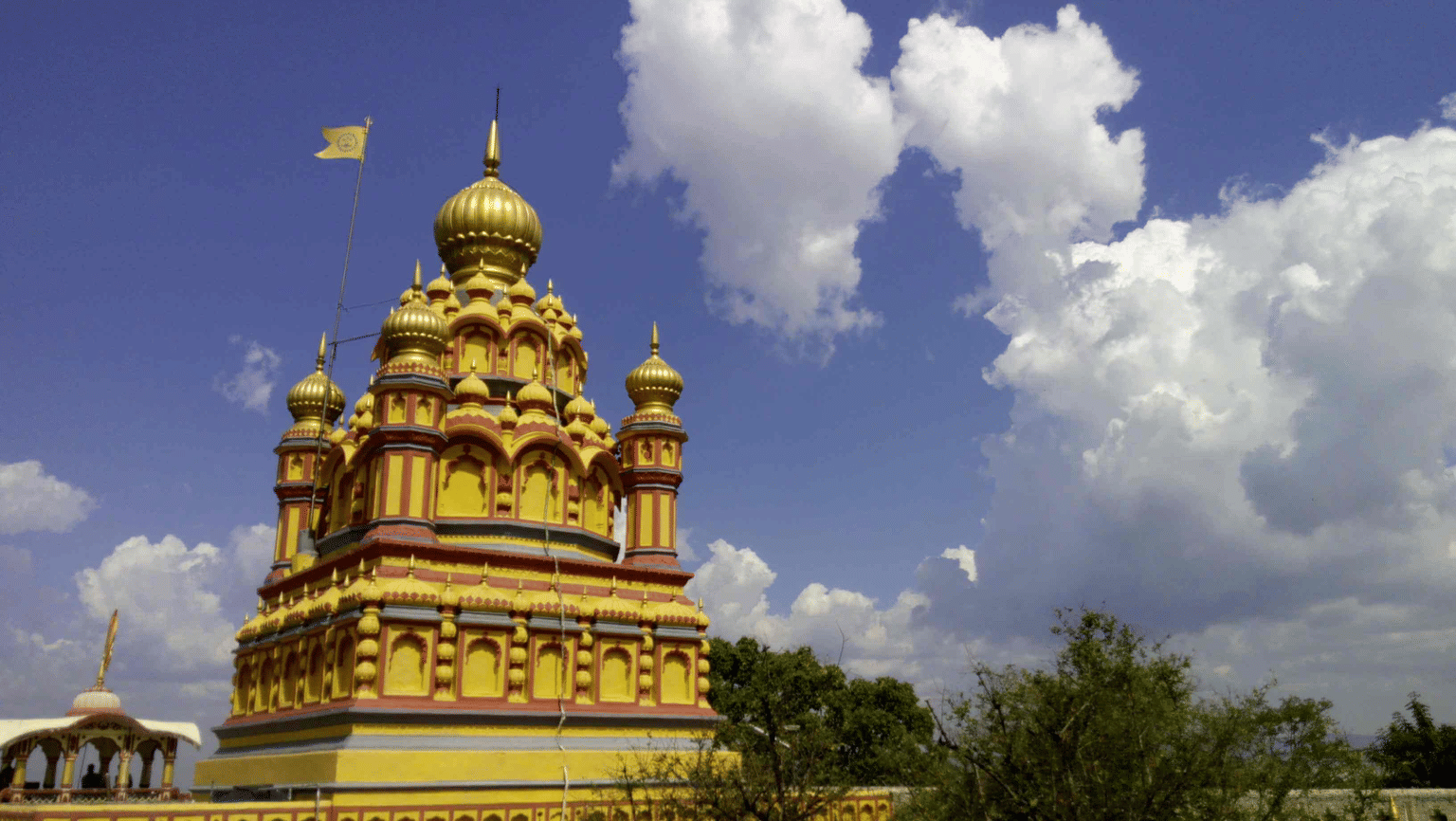
The formation of the main temple has a legend associated with it. According to the legend, the main temple was built in 1749 by Shrimant Peshwa III Nana Saheb as a means to fulfill his mother’s vow. Kashibai, his mother, was suffering from a chronic foot ailment at the time and went to visit the shrine which was famous for its magical healing powers.
There, she prayed for her recovery and pledged to build a beautiful temple once she was cured of her ailment. Soon, she recovered and as per her promise, Nana Saheb constructed what is now known as the Parvati Temple on top of Parvati Hill.
Another belief associated with the Parvati Hill and Temple suggests that Chhatrapati Shahu Maharaj, the king of the Maratha dynasty and Shivaji Maharaj’s grandson, had a special place for Nana Saheb Peshwa, who had won his confidence as well as trust.
Shahu Maharaj treated the young Peshwa like his own son. Naturally, the demise of King Shahu Maharaj was an immense loss to Nana Saheb. So, as a means to pay respect, he brought the late king’s slippers and a Shiva Linga to Pune and placed them in the Parvati Temple. Later on, this shrine came to be known as the Devdeveshwar Temple.
Travellers Tips for Parvati Hill:

While visiting Parvati Hill, there are certain traveller’s tips that one needs to keep in mind. These tips are:
-It is important that you carry your food, snacks as well as water while visiting Parvati Hill. This is because there are little to no eateries or food and refreshment stalls in the immediate vicinity of Parvati Hill.
-Similarly, there is a lack of washroom facilities in the area. So, travellers are advised to prepare accordingly while paying a visit here.
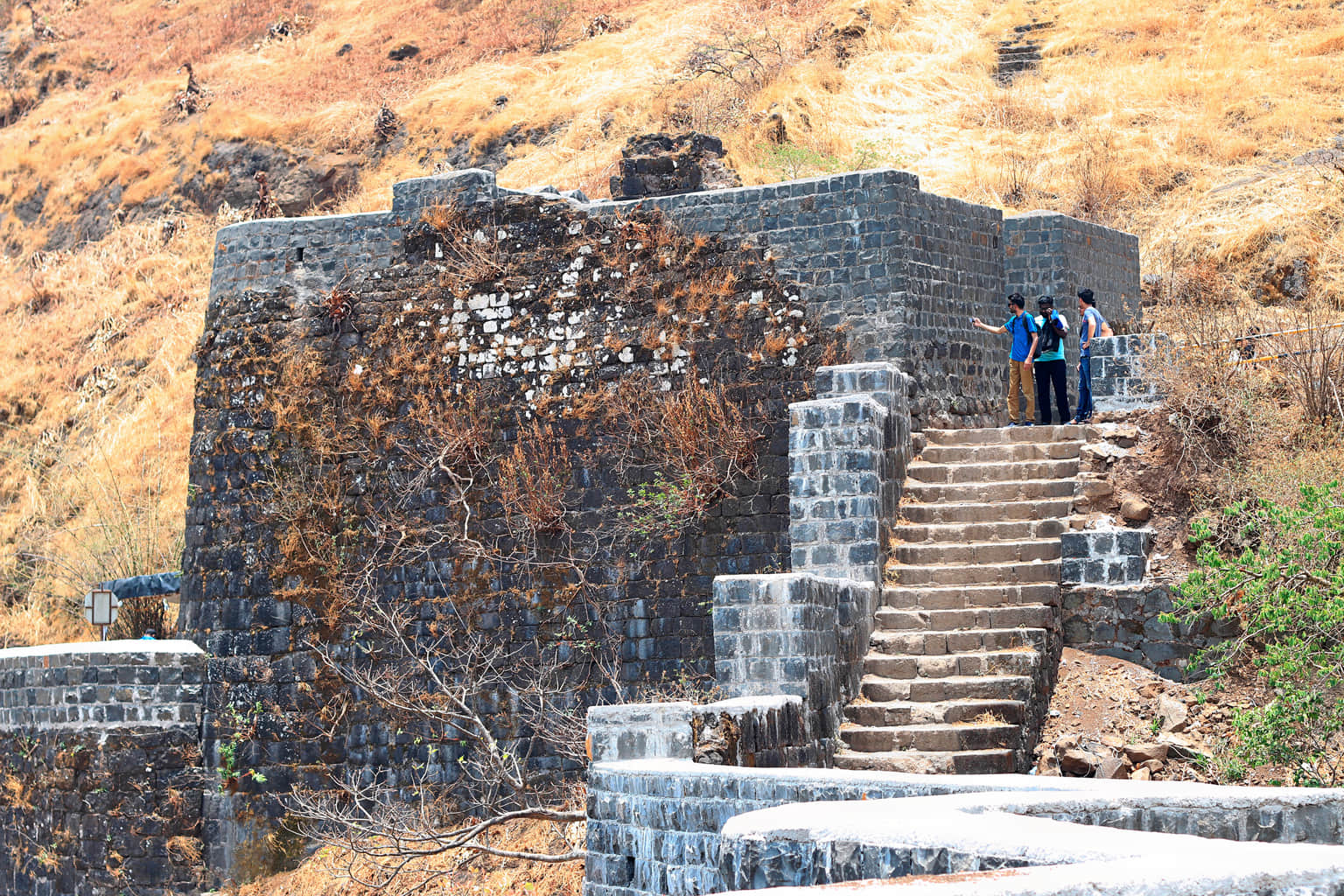
-One needs to climb 103 steps, some of which are quite steep. Therefore, it is recommended not to drink too much water or eat too much before starting the climb. Additionally, senior citizens or those with breathing issues are advised not to take the climb.
-Additionally, it is also advised to carry less valuables with yourself while visiting Parvati Hill. Alternatively, you can keep your valuables or money and cash in the vehicle you arrive by, to keep them safe.
-It is recommended to reach the area a little early and park your vehicles in appropriate places, since Parvati Hill tends to get crowded later on during the day. With more crowds, finding areas for vehicle parking gets difficult.
-It is recommended not to visit Parvati Hill during the state holidays. These are times when there are extreme crowds in the area, which can be frustrating.
-There is a lack of hygiene and cleanliness in the areas surrounding Parvati Hill and the Temple Complex. Therefore, it is advised to keep littering to the bare minimum or try avoiding it fully.









.jpg.jpg?w=1536&q=65&format=auto)