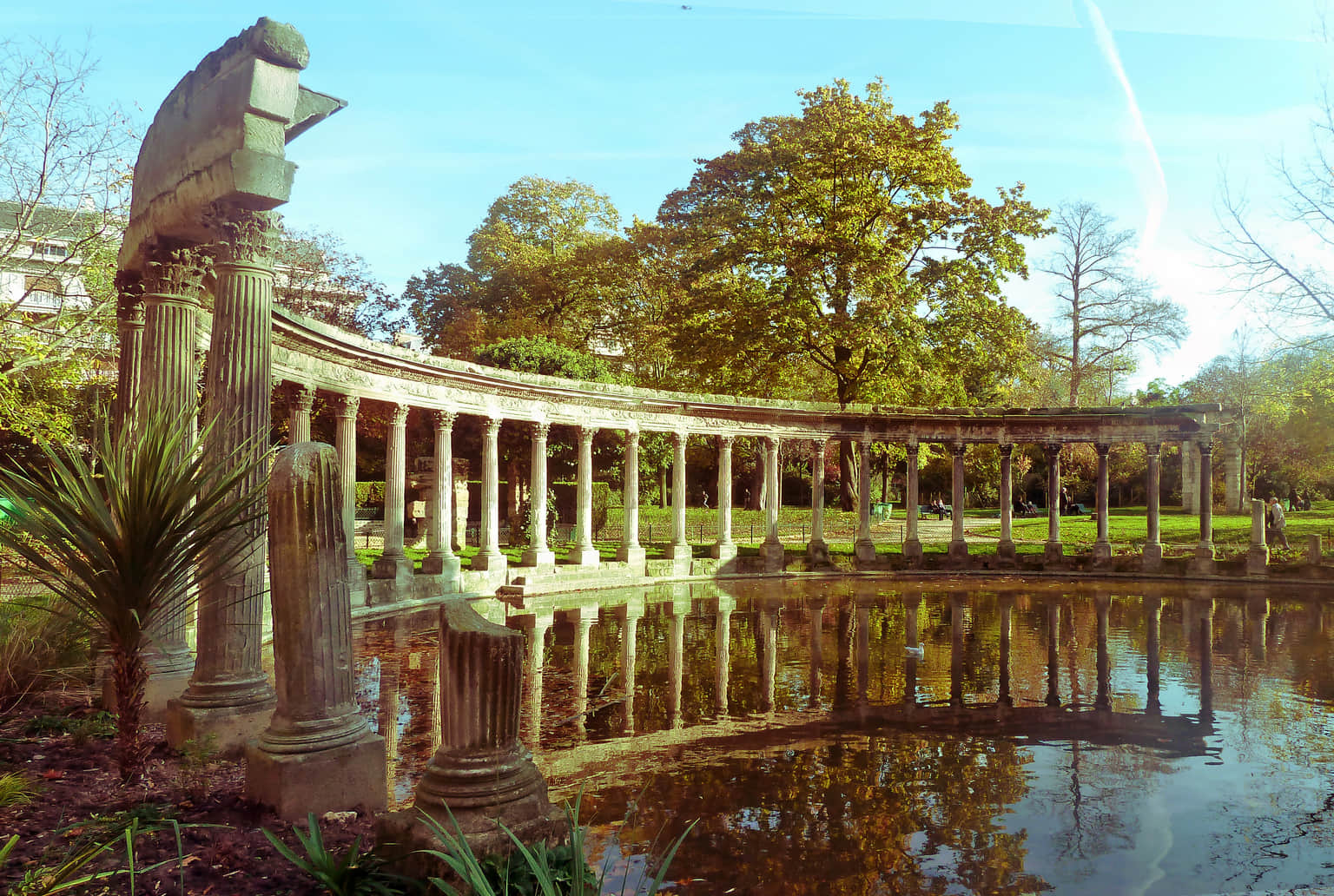
Parc Monceau, Paris
About Parc Monceau
Day Wise Timings
Parc Monceau opening hours through the week.
Parc Monceau Highlights
How To Reach Parc Monceau

Best Time To Visit Parc Monceau

Parc Monceau Essential Information



Why Choose Thrillophilia?
3 Million+
Happy customers from 70+ countries all around.
4.8/5
Rated across Trip Advisor and Google reviews.
Curated With Love
Special curated Indian itineraries built for Indians.
24/7 Assistance
Always there to help before and during trips.

Point of Interest for Parc Monceau
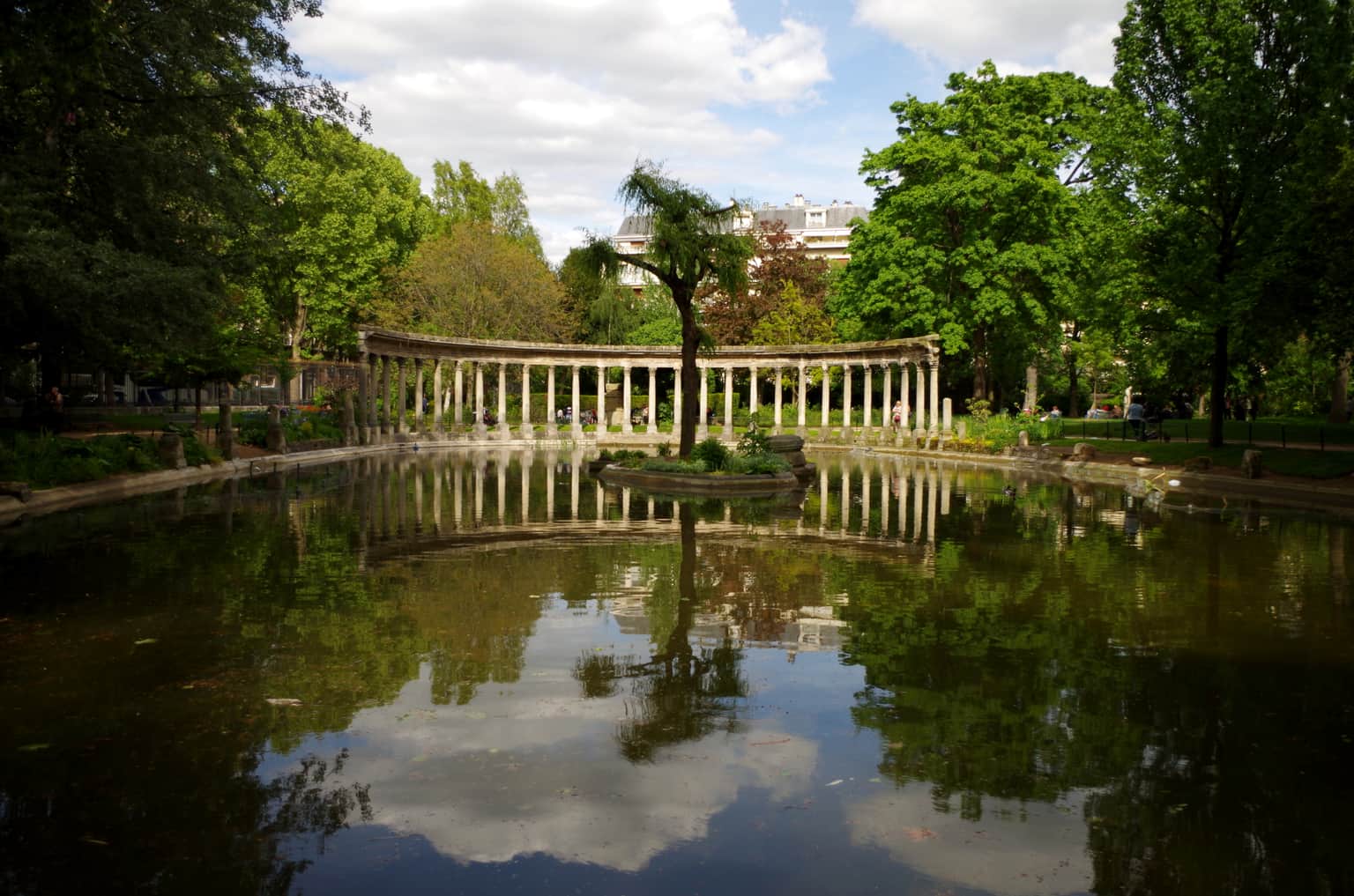
The architectural style and a typical layout of the park
With several architectural styles like Haussmannien, Second empire, Napoléon III, Louis Philippe, Neo Classique combined, Parc Monceau will leave you bewildered. The layout of the park doesn’t follow any specific style as most of the parks of the 1700s did.
The randomly placed statues, follies, and curved walkways will take you straight to the paintings by Claude Monet and Gustave Caillebotte. The springs in Paris and Parc Monceau were and still is the most exquisite time of the year when the flower blooms and the trees start getting new leaves, makes the time spent in Parc Monceau worthwhile.
A Detailed Guide To Visit: Rue De Rivoli
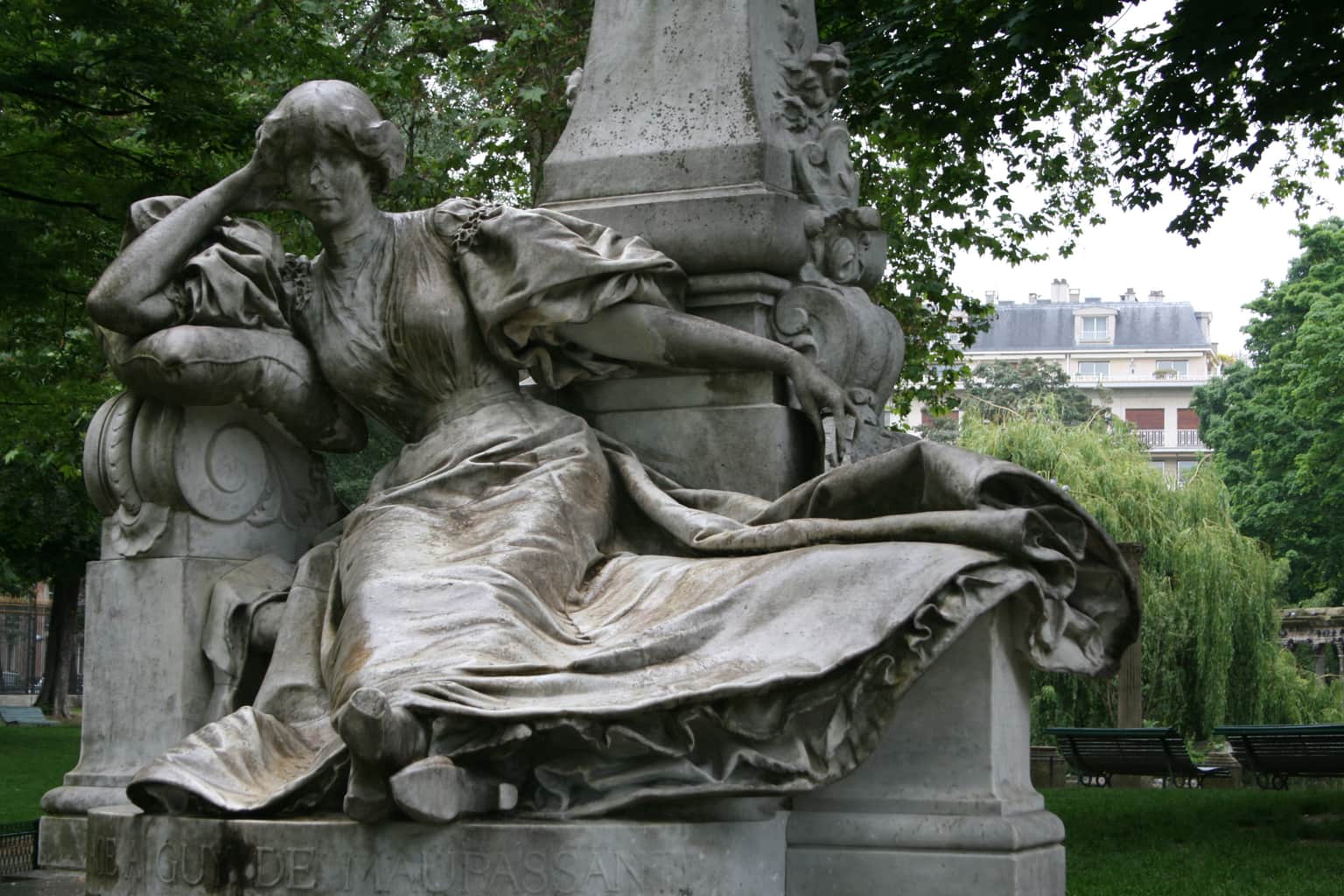
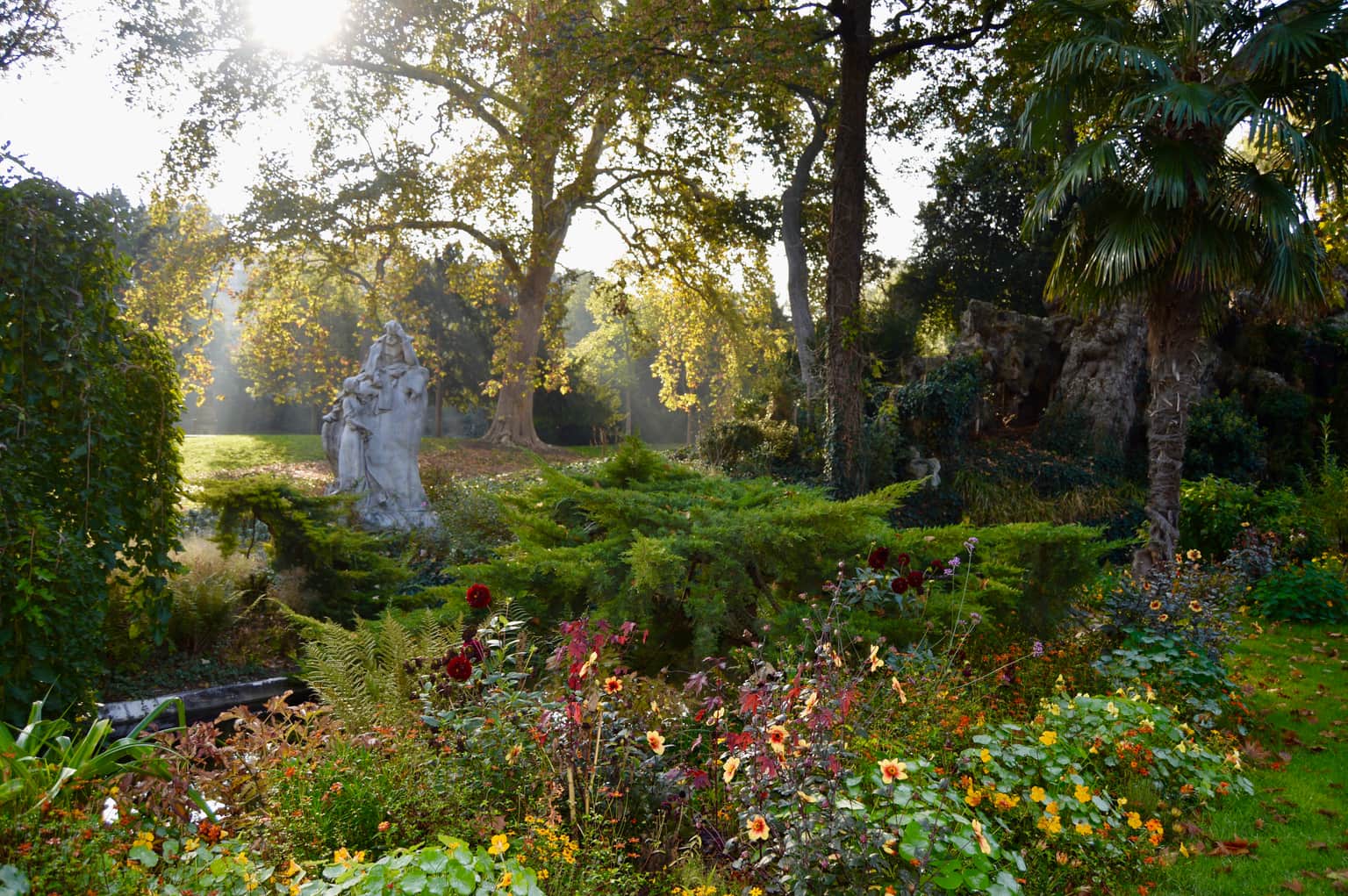
Statues by famous artists
The French-style garden of the park includes a collection of follies, statues of famous French figures like
i. Ambroise Thomas by Alexandre Falguière (1900),
ii. Charles Gounod by Antonin Mercié (1902),
iii. Guy de Maupassant by Raoul Verlet (1897),
iv. Alfred de Musset by Antonin Mercié (1906).
Planning To Visit Paris? Click Here To Book Now: 5 Day Paris Tour Package
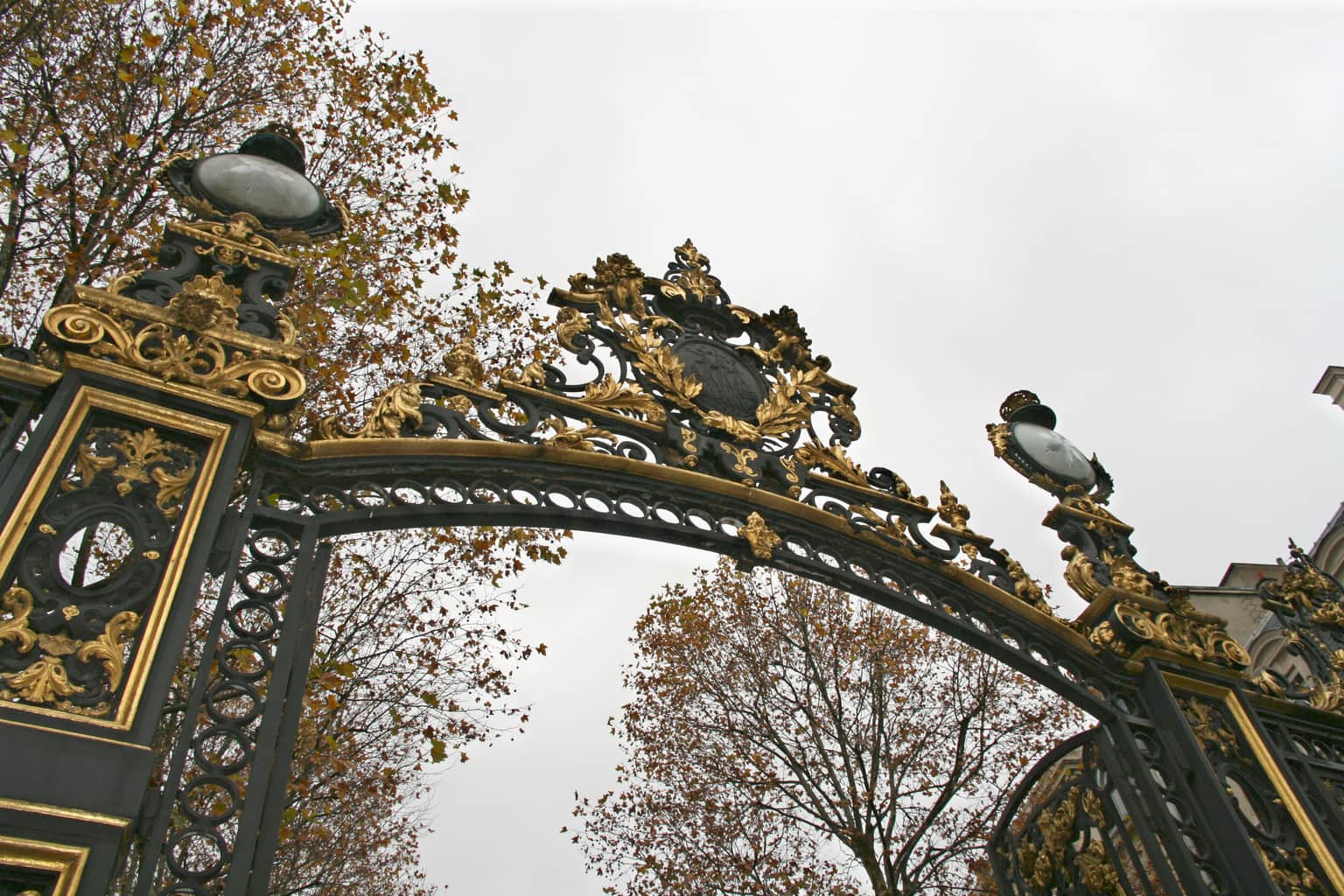
Peculiarly patterned entrance gate and randomly placed follies
The entrance of the park is a gate of iron, embellished with gold resembling the entrance of a palace. The colonnade of Rome's coliseum in the park is located against the backdrop greenery of the tall, age-old trees while on the foreground there is a water body, reflecting the colonnade.
The Wall of the Farmers-General on the northern edge of the park is accompanied by a circular rotunda, which resembles a classical Doric temple. It was designed by Claude Nicholas Ledoux and named as Pavilion de Chartres. The ground floor of the temple was used for customs work while the top floor was an apartment. The apartment was reserved for the Duke, with an overlooking view of the garden for his entertainment.
Also Read: Best Things To Do In Paris In December
New addition to the park and restorations over time
Today, you could enjoy a walk along the water lily pond, and the stream or bicycling down the pavements that were widened by Baron Haussmann. Over time, many other architectural geniuses have been added to the park, along with replacing the bridge over the stream. The original bridge was constructed using Chinese bridges as an archetype, while the remodelled version looked like Rialto Bridge in Venice.
Haussmann also planted a rich collection of exotic trees and flowers collected from all around the world throughout the park, which now provides shade and serene ambiance to the park.Parc Monceau, even though it lost some of its original follies over time, it still speaks volume of the French culture.
Today, the park has a rock with a beehive, a waterfall that enhances the beauty of the park. The renaissance arch from the Paris City Hall is reminiscent of the commune of Paris. The Park today has all kinds of modern amenities, from active free Wi-Fi access, play areas safe for children - with two sandpits, a merry-go-round, a puppet show, snack stalls, and park benches for families to sit around and relax.
Parc Monceau is surrounded by sky-high luxury buildings and mansions, Musée Cernuschi on its sides, which makes the park even more loved by the local residents and tourists. Apart from all the architecture amazements, the park also receives hundreds of birds all year long, which makes it a well-loved place for the bird watchers.
Also Checkout And Book: Best Things To Do In Paris With Kids
Parc Monceau FAQs
Popular Related Attractions

.jpg?w=1536&q=65&format=auto)
More Things to Do in Paris
Quick links to everything else worth a slot on a longer stay.