Opening Hours: Open daily 10 AM - 5 PM
Prime Day & Hours: Monday to Friday, 11 AM to 4 PM, and weekends
Suggested Duration: 2 to 3 hours
Tickets: Free entry
Nearest Railway Station: Srinagar railway station, approximately 15 km away
Nearest Airport: Sheikh ul-Alam International Airport (SXR), approximately 17 km away
Nearest Bus Stop: Soura Bus Stand, approximately 5 km away
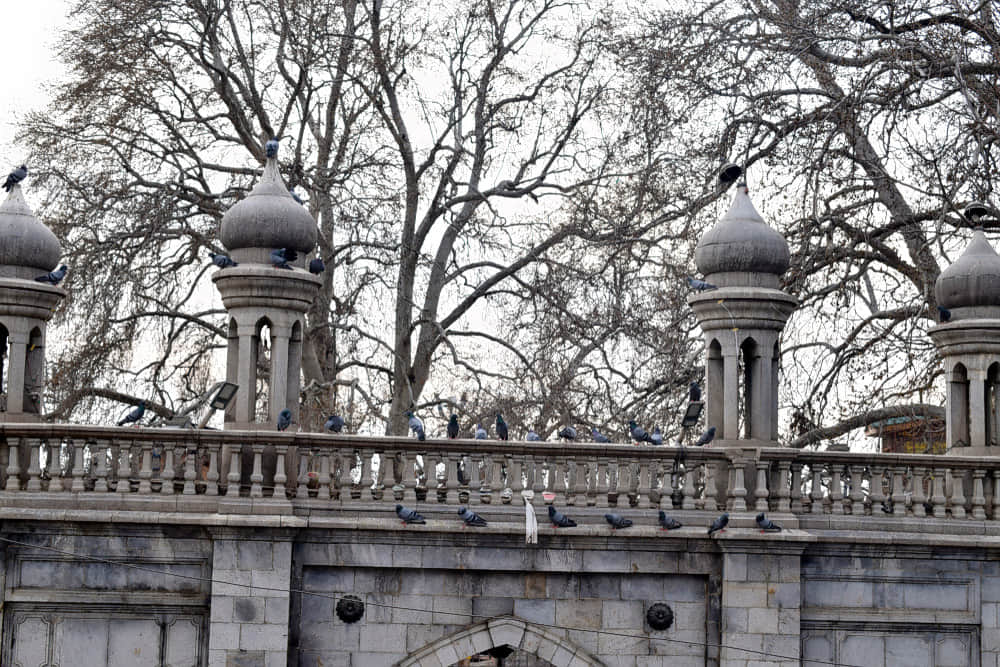
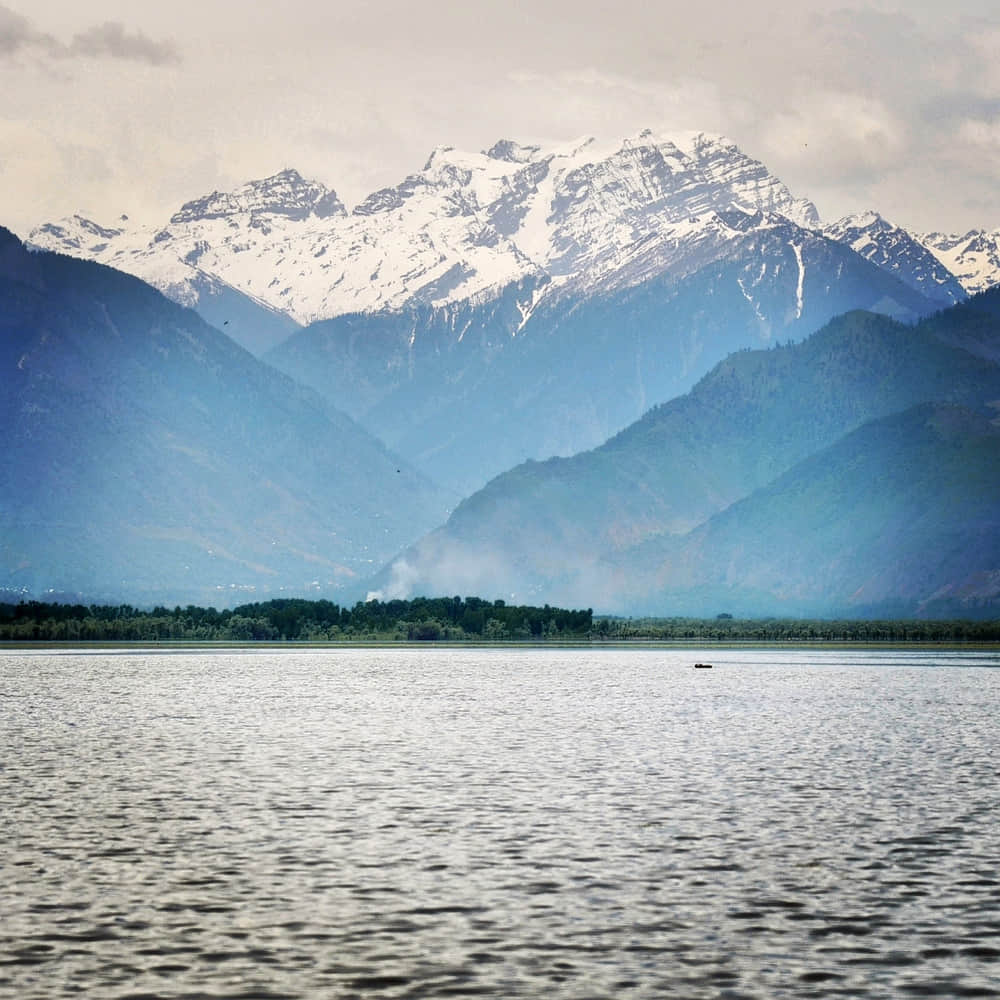
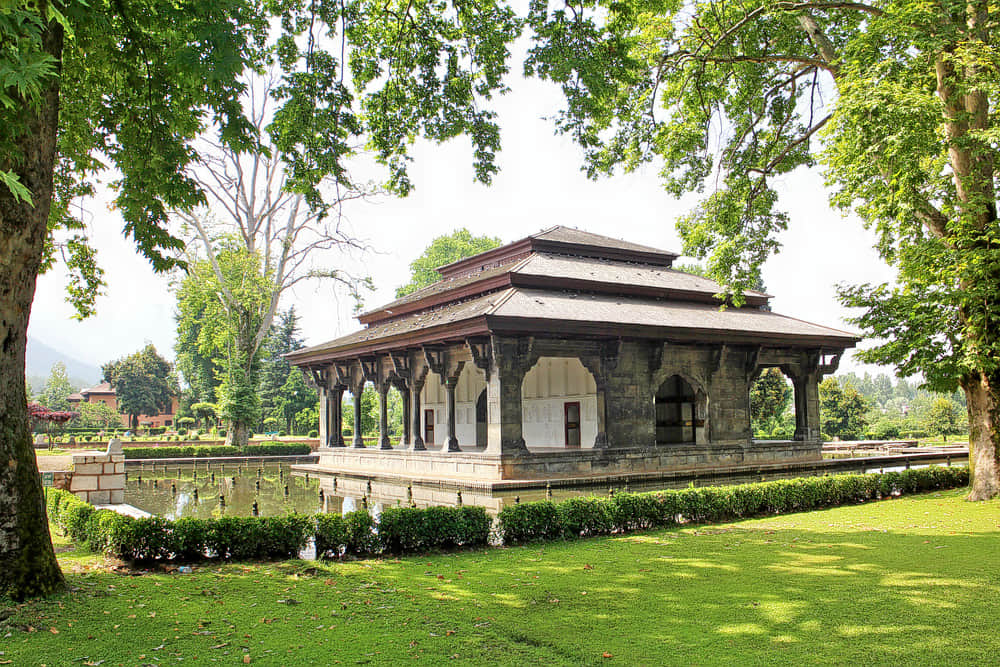
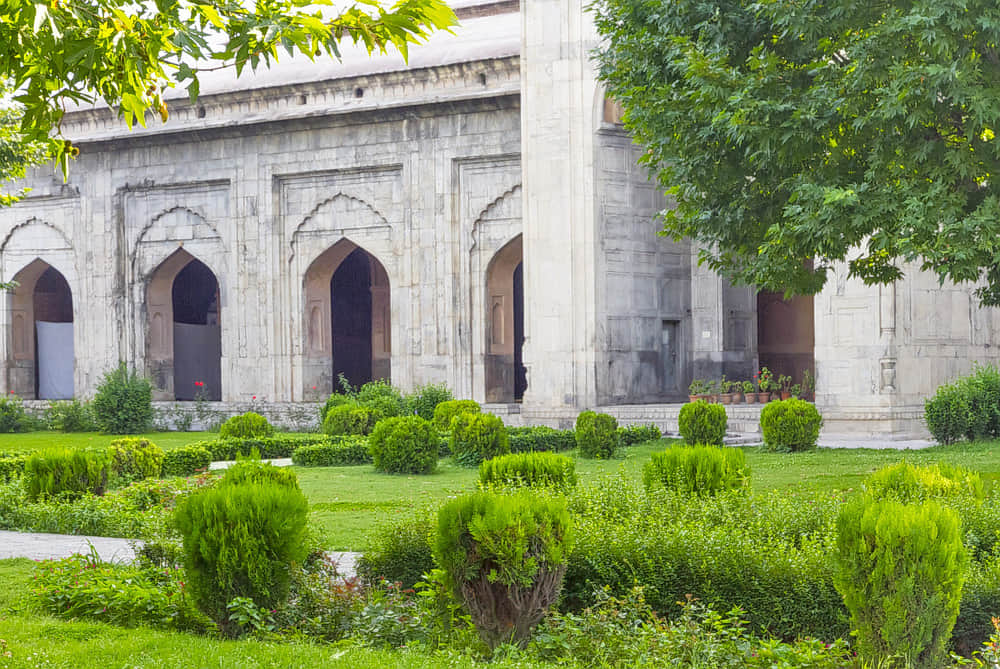
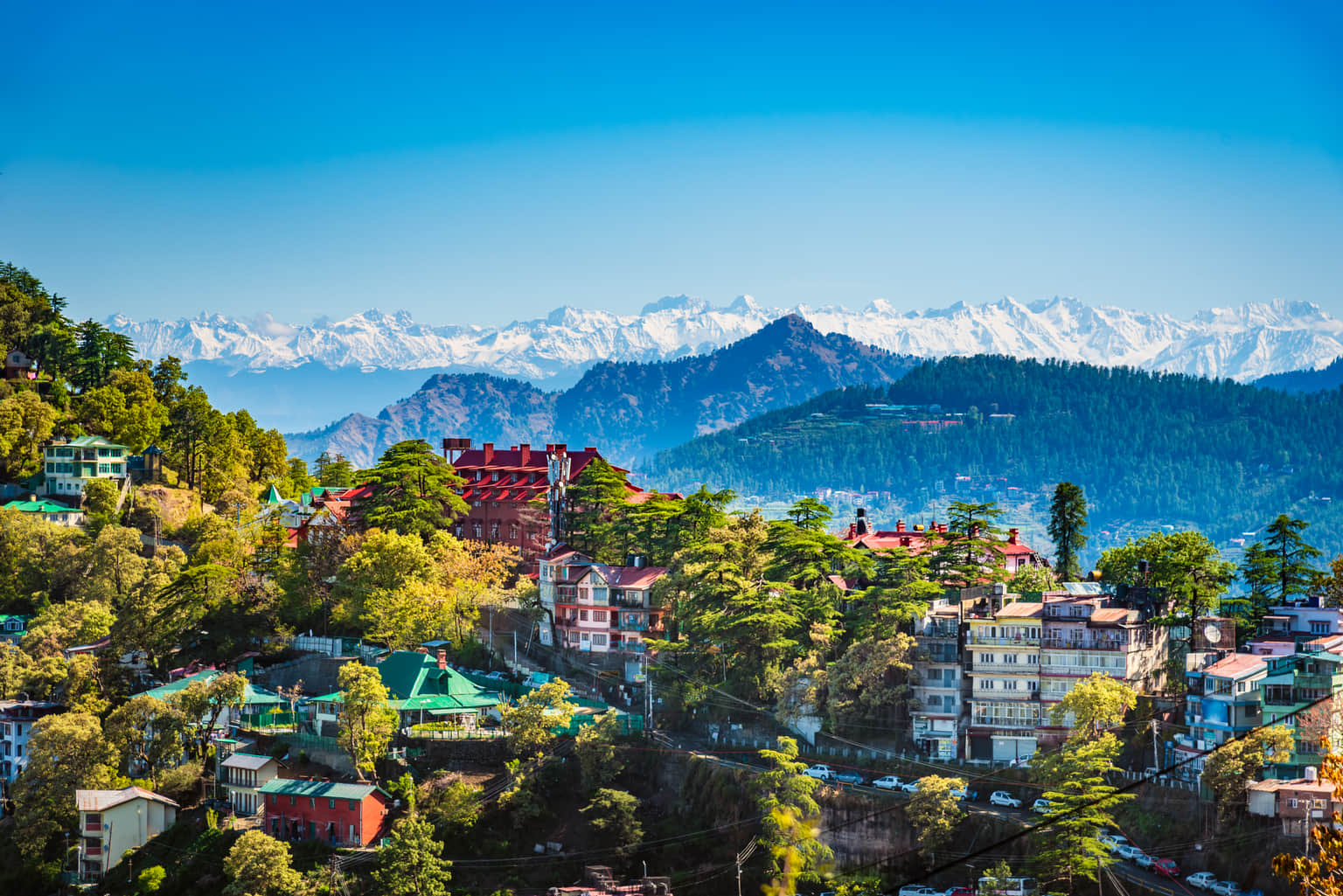
The Makhdoom Sahib Shrine is located in Srinagar on the southern side of Hari Parbat Hill. It is accessible via the Makhdoom Sahib Ropeway or by walking 100 stone steps. You can get a clear view of Dal Lake, Srinagar city, and the Pir Panjal mountains while riding the ropeway to the shrine. You can see solid Mughal-style construction with prayer rooms and wooden pillars inside the shrine.
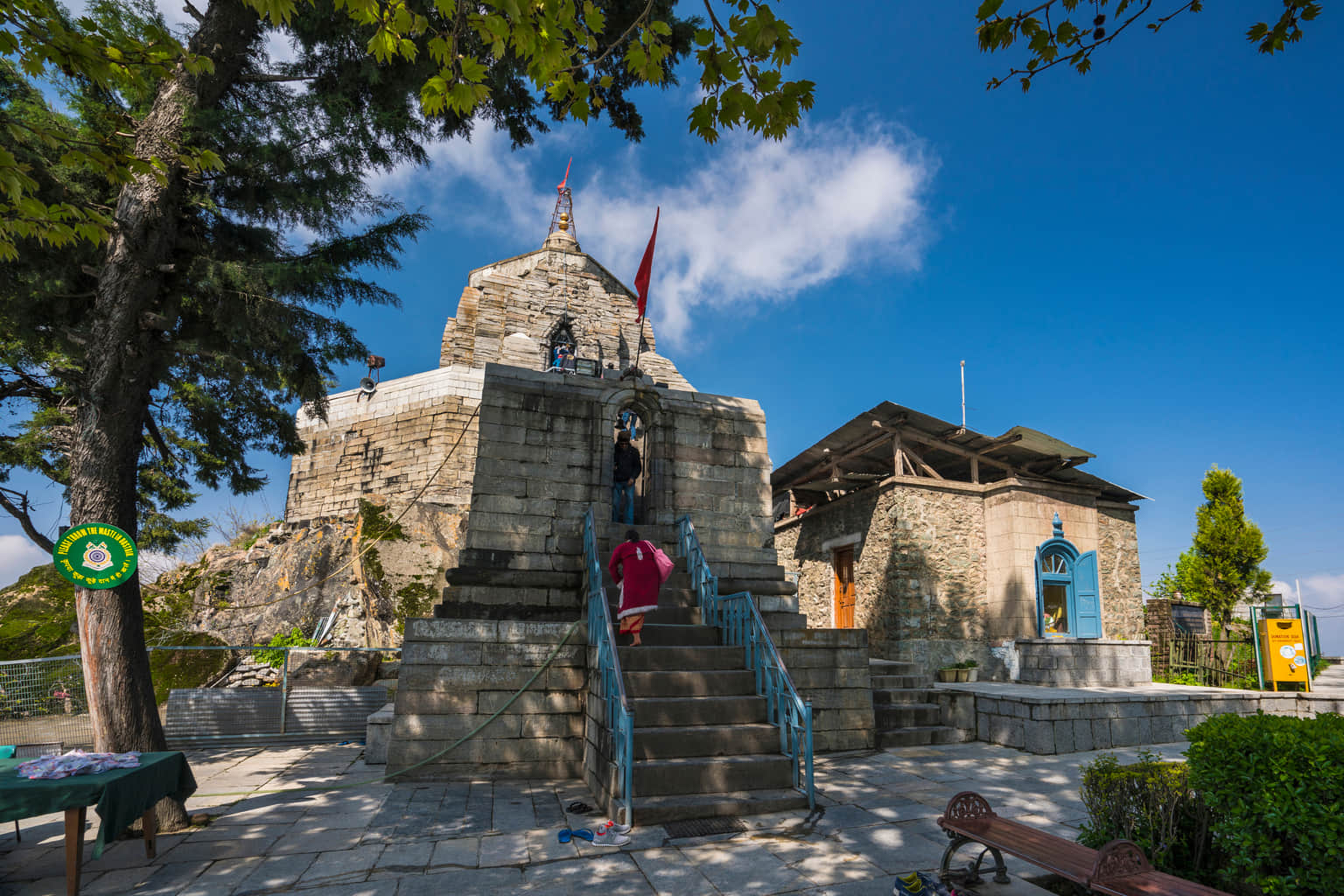
During the yearly Urs celebration, you can observe Sufi customs and participate in special prayers. The shrine's proximity to the Sharika Temple illustrates Kashmir's shared religious space. Throughout the year, this location hosts small Sufi meetings that you can attend. You can also join the people who frequently come here to meditate, pray, or just take in the peaceful surroundings.
Must-Try Experiences
1. Enjoy the Makhdoom Sahib Ropeway ride: To get to the shrine, you can just take the ropeway from the foot of Hari Parbat Hill. It is operated by the Cable Car Corporation of Jammu & Kashmir. You can see Dal Lake, the surrounding hills, and Srinagar city in wide vistas from the ride. For those who would prefer not to climb the 100 steps, this is a preferable option.
2. Attend the Annual Urs Ceremony: You can go during the Urs, which is celebrated annually in honour of Sheikh Hamza Makhdoom's death anniversary. Travellers and locals gather for recitations and prayers, and the shrine turns into a meeting spot for Sufi preaching and music. This is the ideal moment to learn about the spiritual customs practiced in this region of Kashmir.
3. Explore the Mughal Architecture: Inside the shrine, you can observe a robust Mughal-style design with several wooden pillars. The papier-mâché and carved ceilings show how skilled the people in the area are. Both Persian and Kashmiri art types can be seen in these details. You can take your time looking at the intricate structure and woodwork that went into making it.



.jpg?w=1536&q=65&format=auto)