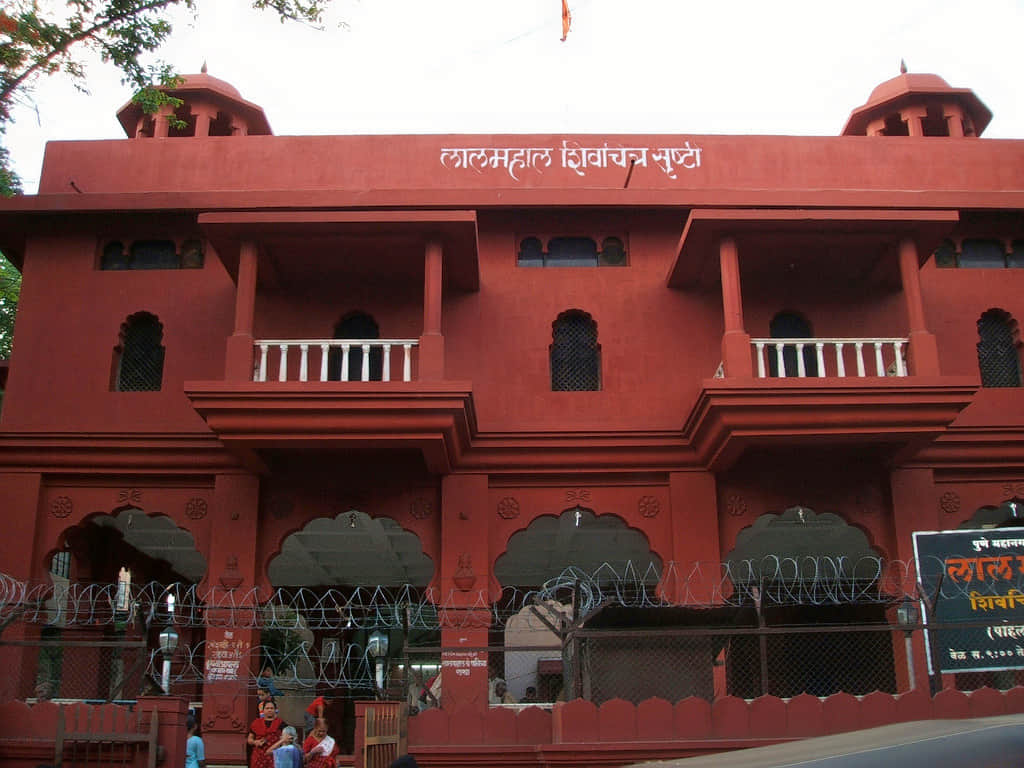
Location – Lal Mahal is located on the Shivaji Road in Kasba Peth of Pune.
Opening Hours – Except for Wednesday, you can schedule your Lal Mahal visit on any day of the week. The Mahal doors remain open for the visitors from morning 09:00 am and close down by 01:00 pm for lunch. Again, at 04:00 pm, the doors are opened, which shut by 08:00 pm.
In case you want to explore every nook and corner of the fort, plan your visit early during its opening hours. This will give you sufficient timings to move without stumbling into anyone.
Entry Fee – The entry cost for your Lal Mahal visit is 3 INR or 0.046 USD per head.
Best Time – There’s no specific time to visit Lal Mahal as it welcomes you for all 365 days of the year.
Average Temperature – The average annual temperature in Pune is around 25 degrees Celsius.
Distance from Pune – Lal Mahal is at a distance of 450 meters from the mainland of Pune. This distance is easily covered with a 2-minute drive via Mote Mangal Karyalay Road & Chhatrapati Shivaji Maharaj Road.
Transportation facility – Lal Mahal is very well connected with the roads, and thus, reaching here is never an issue.
Medical Facilities – Lal Mahal itself doesn’t have any medical facility. However, you might get it nearby.
Network Connectivity – Network connectivity is quite good at the Lal Mahal.
Places to Eat near Lal Mahal
New Poona Bakery – If you are looking for quick to eat snacks, try the New Poona Bakery products. Viennese Croissants, donuts, and French tarts are their chief preparations. Veg cream rolls are the next delicacy to taste here.
Cinnamon – Cinnamon serves some flawless flavors of malai tikka, soups, biryani, and rolls at affordable prices.
Akash Snacks Corner – Here you will get good fast food varieties to eat.
South Indian Canteen – If you are craving for some South Indian delicacies, this is an ideal place for your visit. Uttapam, Idli, Rava Masala Dosa, Rasam Rice, and so on are primary foodstuffs served here.
Shripad Idli Centre – This is one of the best restaurants to approach for sumptuous street food options. Medu Vada and Idli served here perfectly blend with the flavored chutney.









.jpg.jpg?w=1536&q=65&format=auto)