Lal Bagh Botanical Garden, Bangalore
About Lal Bagh Botanical Garden
Day Wise Timings
Lal Bagh Botanical Garden opening hours through the week.
How To Reach Lal Bagh Botanical Garden
Best Time To Visit Lal Bagh Botanical Garden

Lal Bagh Botanical Garden Essential Information



Why Choose Thrillophilia?
3 Million+
Happy customers from 70+ countries all around.
4.8/5
Rated across Trip Advisor and Google reviews.
Curated With Love
Special curated Indian itineraries built for Indians.
24/7 Assistance
Always there to help before and during trips.

Point of Interest for Lal Bagh Botanical Garden
.jpg?w=1536&q=65&format=auto)
Flower show at Lalbagh Botanical Garden
The bi-annual flower show at the Lalbagh Botanical Garden is a spectacle to behold. People travel from far and wide from India and even from abroad to witness millions of flowers, thousands of plants and the incredible artistry that goes into making the figurines and flower structures.
The show takes place twice a year- once during January in the same week as the Indian Republic Day, and another time in August, during Independence Day. Each year, a different theme is chosen and flower arrangements are made according to the theme.
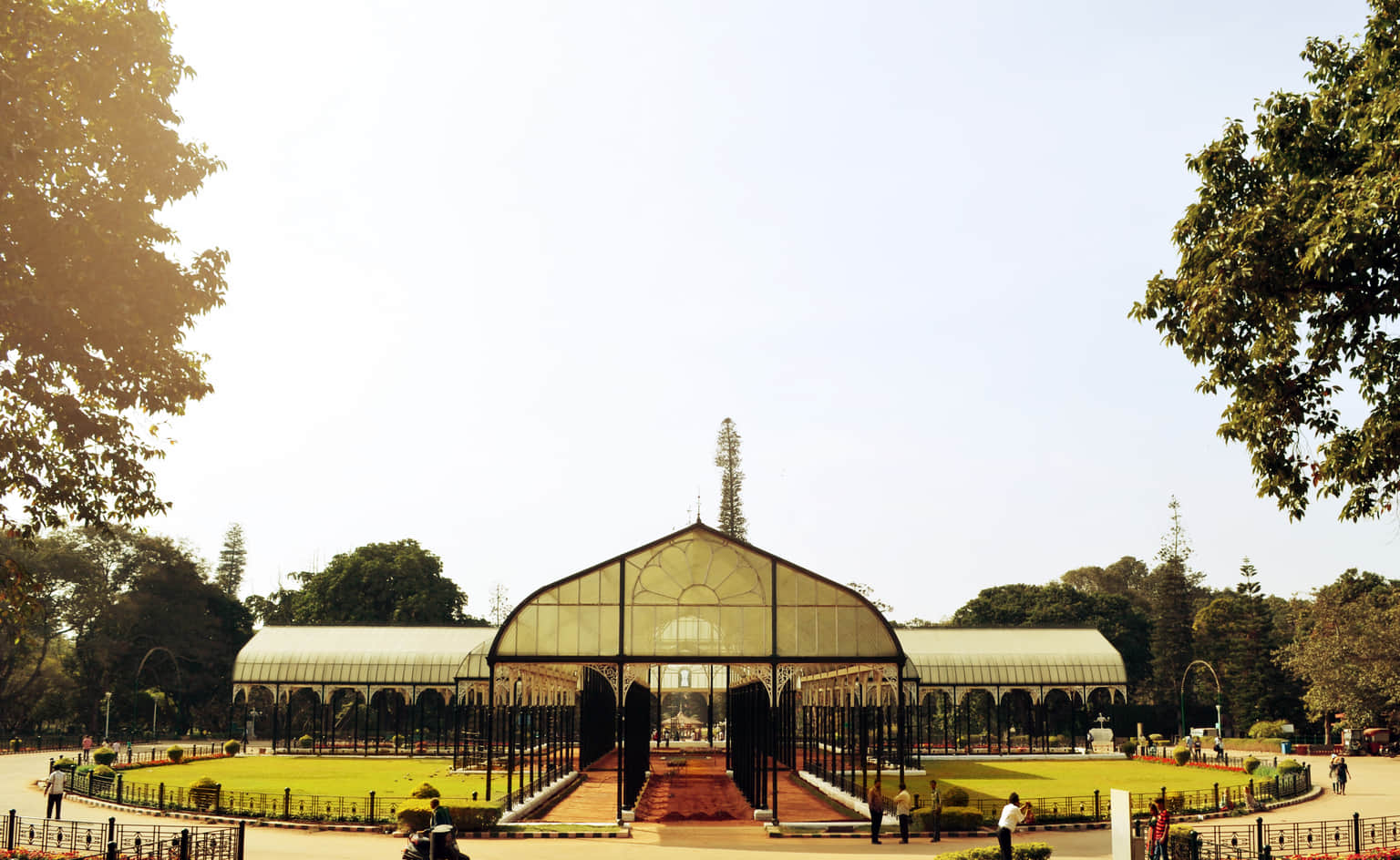
Plants and flowers are imported from all over the world and over 20 lakh flowers are used each year to make semi-permanent structures in various characteristic shapes and designs. The show takes place inside the striking Glass House which is located on the premises of the Botanical Gardens and goes on from 9:00 am in the morning until 6:00 pm in the evening.
Even though the best time to witness the show is in the morning when you can see all the flowers in full bloom and in all their vibrant colours, night time is a whole different experience. The whole Glass House lights up in a golden glow which makes the structures look even more magical and ethereal.
Attractions at Lalbagh Botanical Garden
1. The Glass House: The Glass House in the Lalbagh Botanical Garden is one of its primary attractions. Modelled after the Crystal Palace in London, this Glasshouse is a huge structure made of glass and iron which houses some of the rarer species of plants.
A flower show is conducted two times every year inside the glasshouse- once in January and another time in August- where guests are welcome to come and witness some of the most beautiful flowers and plants from all over the world.
2. Lalbagh Rock: Lalbagh Rock is definitely one of the most striking attractions in the garden. The rock is a National Geological Monument, placed in the garden by the Geological Survey of India. A small placard outlining information about the rock claims that it is over 3000 million years old, making it one of the oldest rocks in the whole world.
3. The Floral Clock: The Floral Clock is a large natural clock composed of various flower plants and shrubs, measuring 7 metres in diameter. It is placed in a garden that is also decorated with figurines from Snow White and the Seven Dwarfs, making it an interesting place for both adults and children to relax
4. Lalbagh Lake: Lalbagh Lake is a natural lake located just alongside the garden whose presence allowed the construction of the garden in the first place. Visitors can try out boating and picnics beside the lake, making it the ideal place to relax, despite being in the heart of the city.
Lal Bagh Botanical Garden FAQs
Popular Related Attractions


More Things to Do in Bangalore
Quick links to everything else worth a slot on a longer stay.