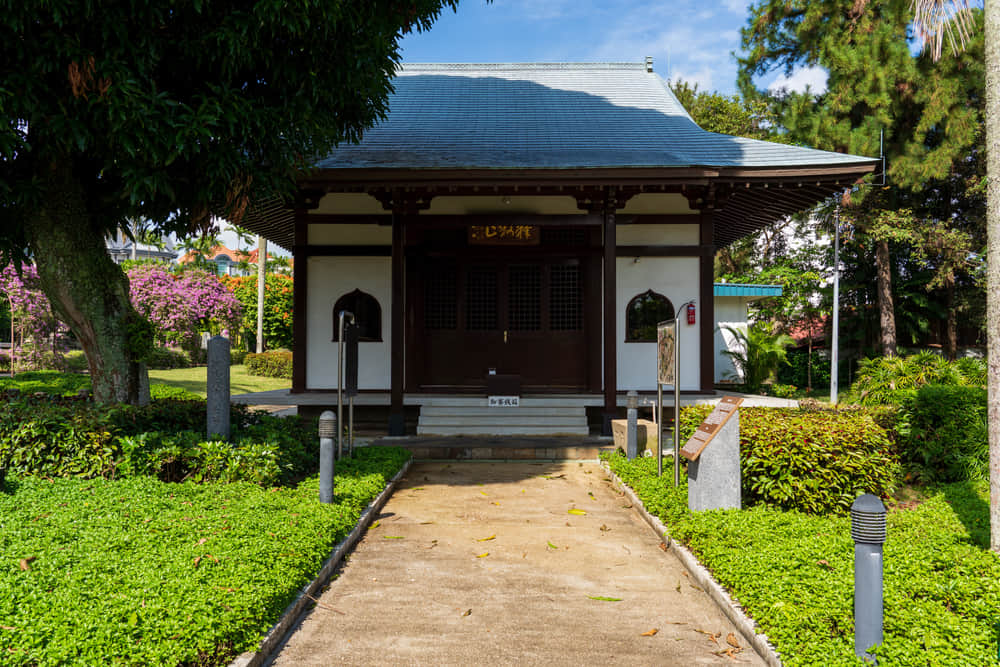
Japanese Cemetery Park, Singapore
About Japanese Cemetery Park
Day Wise Timings
Japanese Cemetery Park opening hours through the week.
Japanese Cemetery Park Highlights
How To Reach Japanese Cemetery Park

Best Time To Visit Japanese Cemetery Park

Japanese Cemetery Park Essential Information


Why Choose Thrillophilia?
3 Million+
Happy customers from 70+ countries all around.
4.8/5
Rated across Trip Advisor and Google reviews.
Curated With Love
Special curated Indian itineraries built for Indians.
24/7 Assistance
Always there to help before and during trips.

Point of Interest for Japanese Cemetery Park
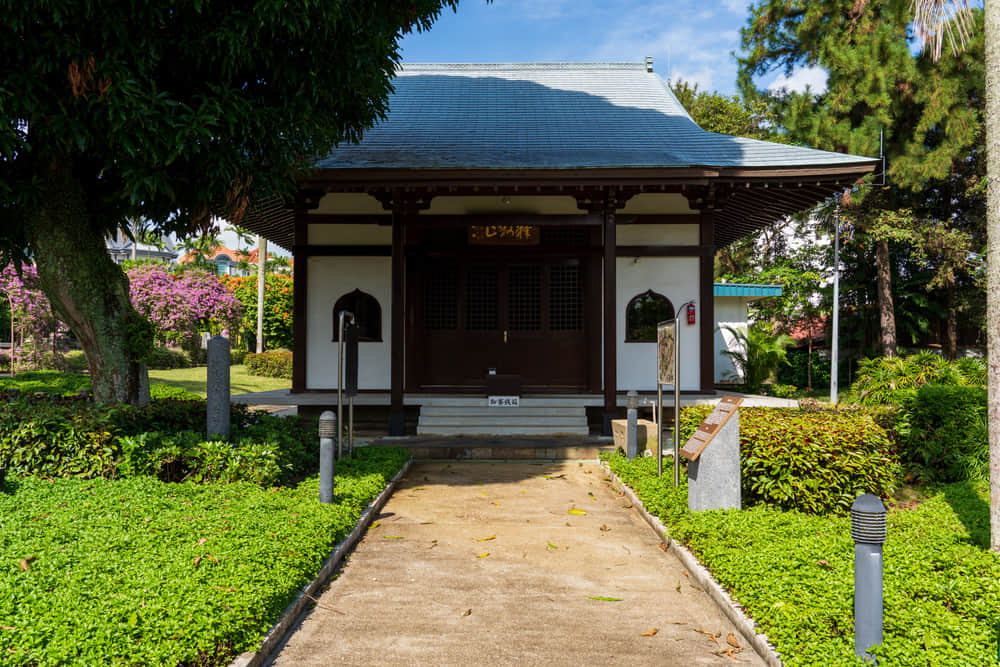
Prayer Hall
The Prayer Hall, which is visible while entering from the main driveway, was completed in 1986 but is now only used for ceremonies. Though the hall isn't open to the public, you may still admire its complex construction and take a few photos from the outside.
Must Read: Things to Do in Little India Singapore
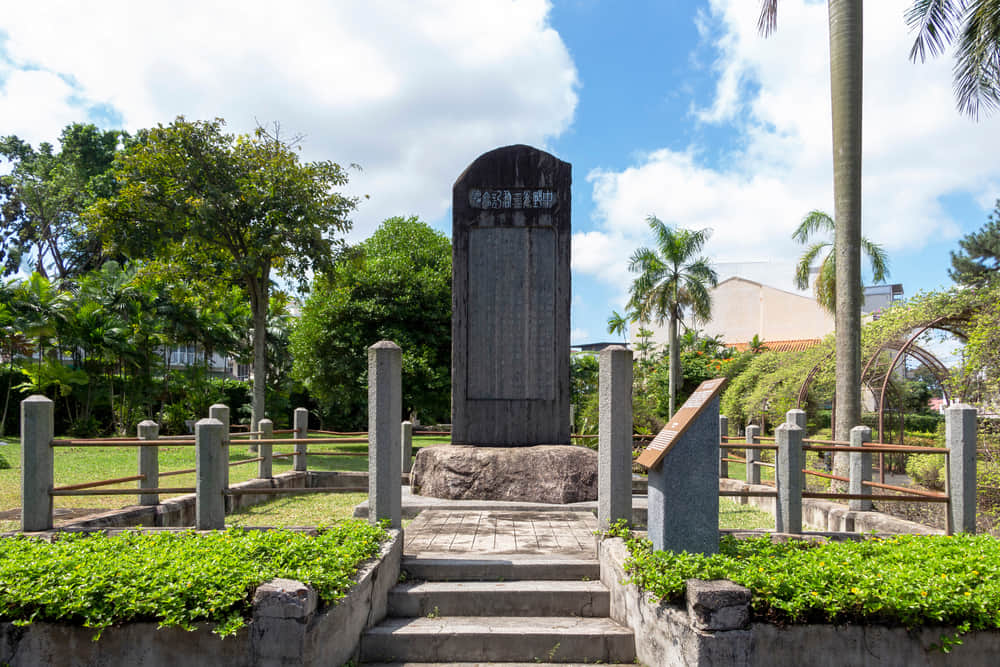
Tombstones & Monuments
There are 910 tombstones strewn over the area, each one distinctively shaped and carved. More than half of them are unremarkable gravestones from the first Japanese immigrants, many of whom worked in brothels and died in poverty. However, more extravagant monuments celebrating prominent figures such as Yamamoto Otokichi, the first Japanese to live in Singapore, tower over the others.
Suggested Read: 25 Best Things to do in Singapore at Night
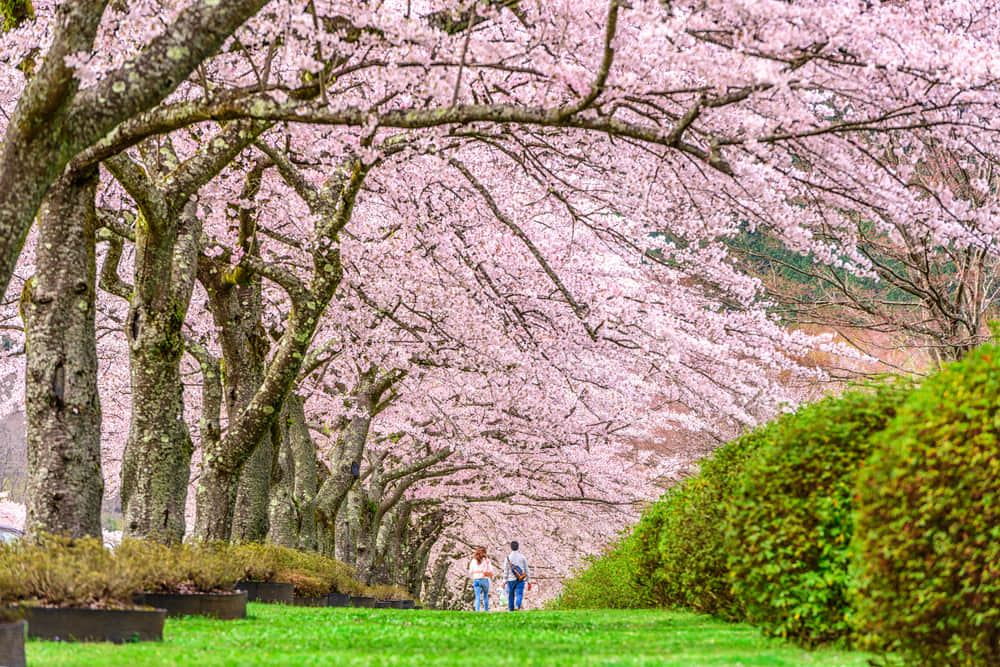
Heritage Trees
There are also Heritage Trees in the park, such as a rubber tree from when the park was still a rubber plantation and a lychee tree, which is common in Japan but cannot bear fruit in Singapore's climate. You'll not only be able to appreciate several traditional Japanese statues sprinkled throughout the park, but you'll also be able to relax as you stroll through it.
Click Here To Book: Singapore Zoo Tickets
.jpg?w=1536&q=65&format=auto)
Floral Archways
The Japanese Cemetery Park is dotted with quirky flower archways decorated with lovely pink bougainvilleas and spans four soccer fields. These provide enough shelter along the park's major routes, but they're best renowned for being reminiscent of Japan's lovely springtime cherry blossoms. It's a favorite photo location, especially when the petals begin to gently fall down onto the pathway. While bougainvillea blooms all year in Singapore, the pinkest, most lovely scene may be found shortly after the monsoon season or after it rains.
You Can Also Book: Gardens By The Bay Tickets
Japanese Cemetery Park FAQs
Popular Related Attractions



Popular Related destinations
.jpg?w=1536&q=65&format=auto)
More Things to Do in Singapore
Quick links to everything else worth a slot on a longer stay.