Location:
Horton Plains National Park is seated in Sri Lanka and a conserved area in the Central Highlands of this island country.
Entry fee:
The entry fee for the locals is 30 INR for a day visit but 60 INR if you are looking for an overnight visit. Again, the entry fee is 1,150 INR and 2,090 INR for foreign tourists for a day and overnight visit respectively. The entry fee is more if you are not a local and need to shell out vehicle fees up to 500 INR, which makes the trip to Horton Plain National Park quite expensive.
Timings:
The opening hours are from 6 am in the morning to 6 pm in the evening.
Facilities and safety:
Before you enter Horton Plains National Park, ensure that you use the washrooms close to the entrance because it’s the sole facility available in the park. The place also has paper bags in case you want them. Avoid carrying plastic because you’ll not be allowed to take plastic bags inside the park.
There are many places to take some splendid photos but watch out near the edges. There have numerous horror tales and accidents near the cliff edge. Therefore, take the required precautions before taking photos.
Distance from Kandy Airport:
The distance from Kandy Airport to the park is 107.4 km if you take the road through A5 and B512.
Geography of the Horton Plains
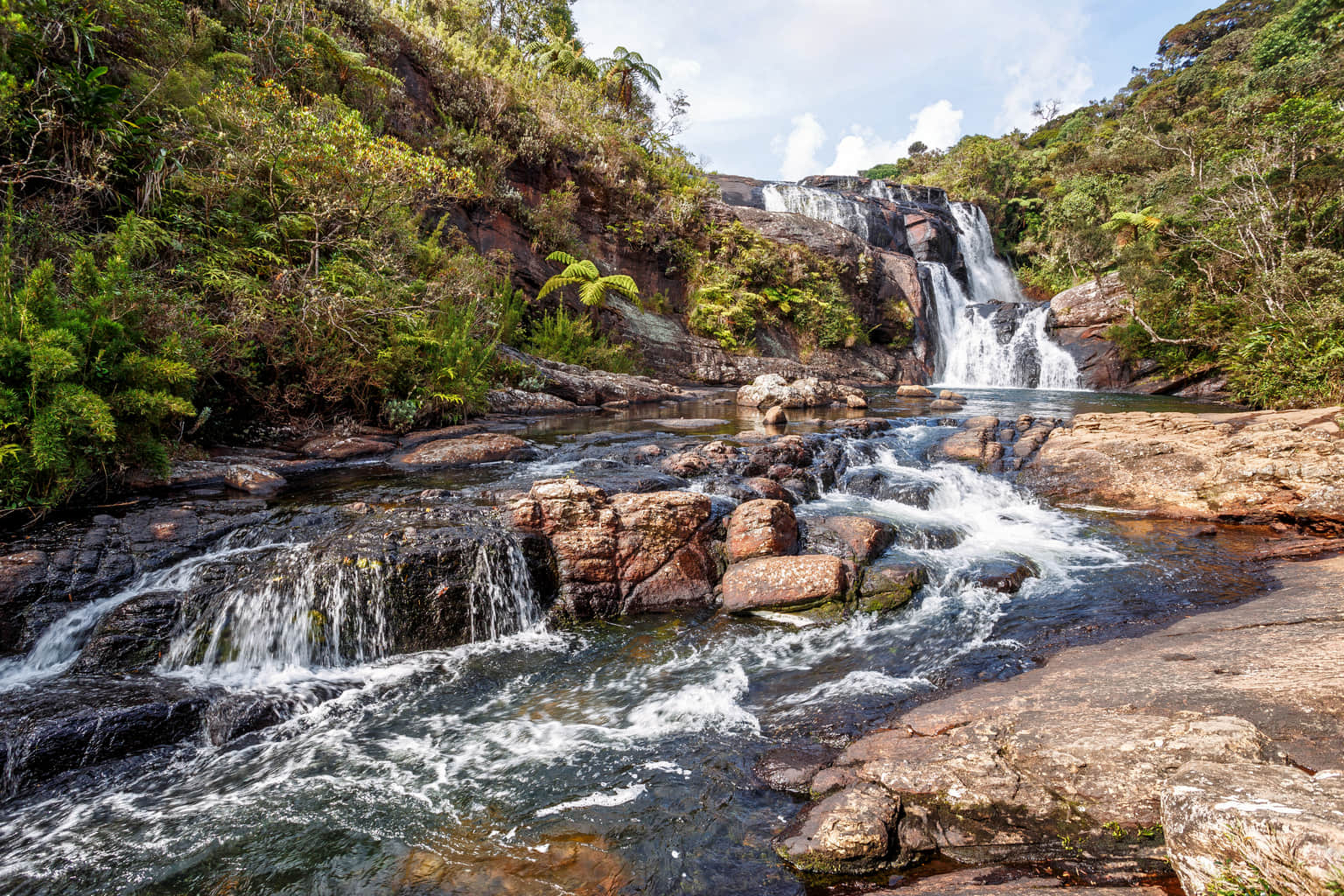
The Horton Plains is seated on the southern plateau of Sri Lanka’s Central Highlands as well as a World Heritage Site declared by UNESCO. Horton Plains consists of three major portions, the Horton Plains National Park, the Peak Wilderness Protected Area, as well as the Knuckles Conservation Forest.
The place receives abundant rainfall at a height of 2100 to 2300 meters and as far as temperature is concerned, it fluctuates. The temperature can rise as much as 27 degrees Celsius during the day and dip at five degrees or even to one degree Celsius, giving you the chills.
Due to cloud cover over the deep forest, the thick mist frequently shrouds the sunlight leaving no sun rays reaching the plant life. The Horton Plains is also known for its reddish-yellow podzolic soil, thus giving rise to some of the endemic species of this place.
The national park features the Archean age rocks comprised of Khondalites, granite gneisses, and Charnockites, prevalent right from the Precambrian period. All of these make the Horton plains and its physical features extremely appealing and significant for the visitors and travel enthusiasts.
Flora and Fauna at the Horton Plains National Park
1. Flora
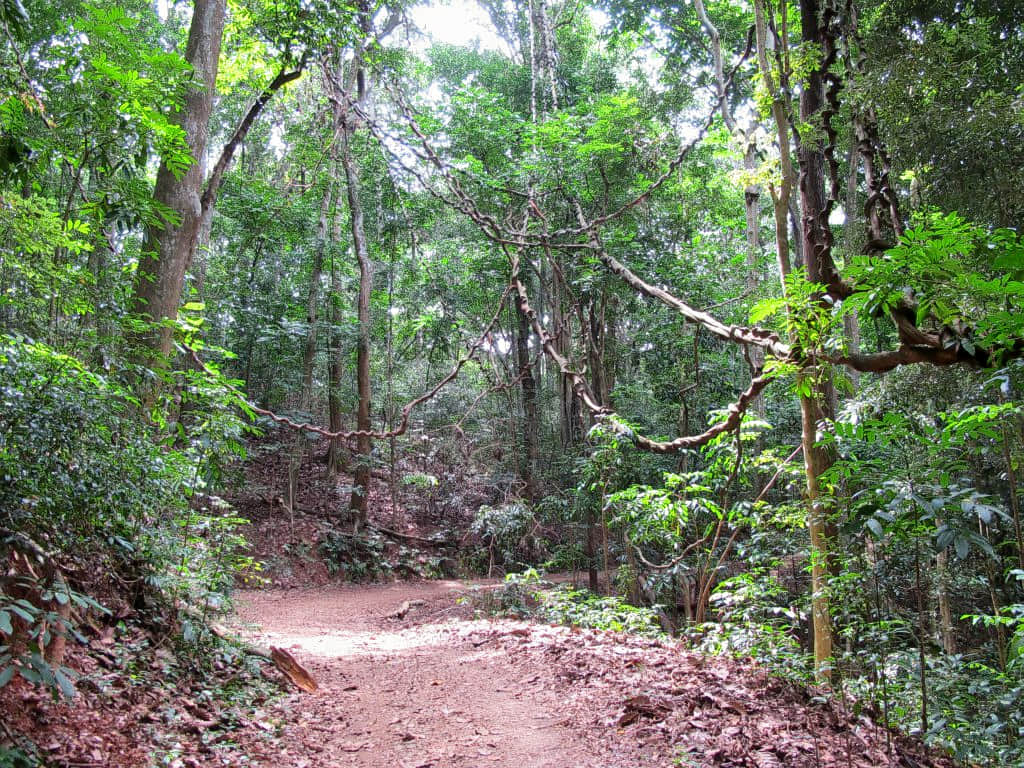
The diverse vegetation comes under two distinct groups, the montane grasslands extending for about 2000 hectares of land and the subtropical montane evergreen jungles encircle 1160 hectares of this region. You will find numerous endemic plant varieties in the deep forests including herbaceous plants as well as tropical varieties like the endemic daffodil orchid.
The herbaceous plant species are Fragaria, Plantago, and Viola found in abundance in Horton Plains National Park.
2. Fauna
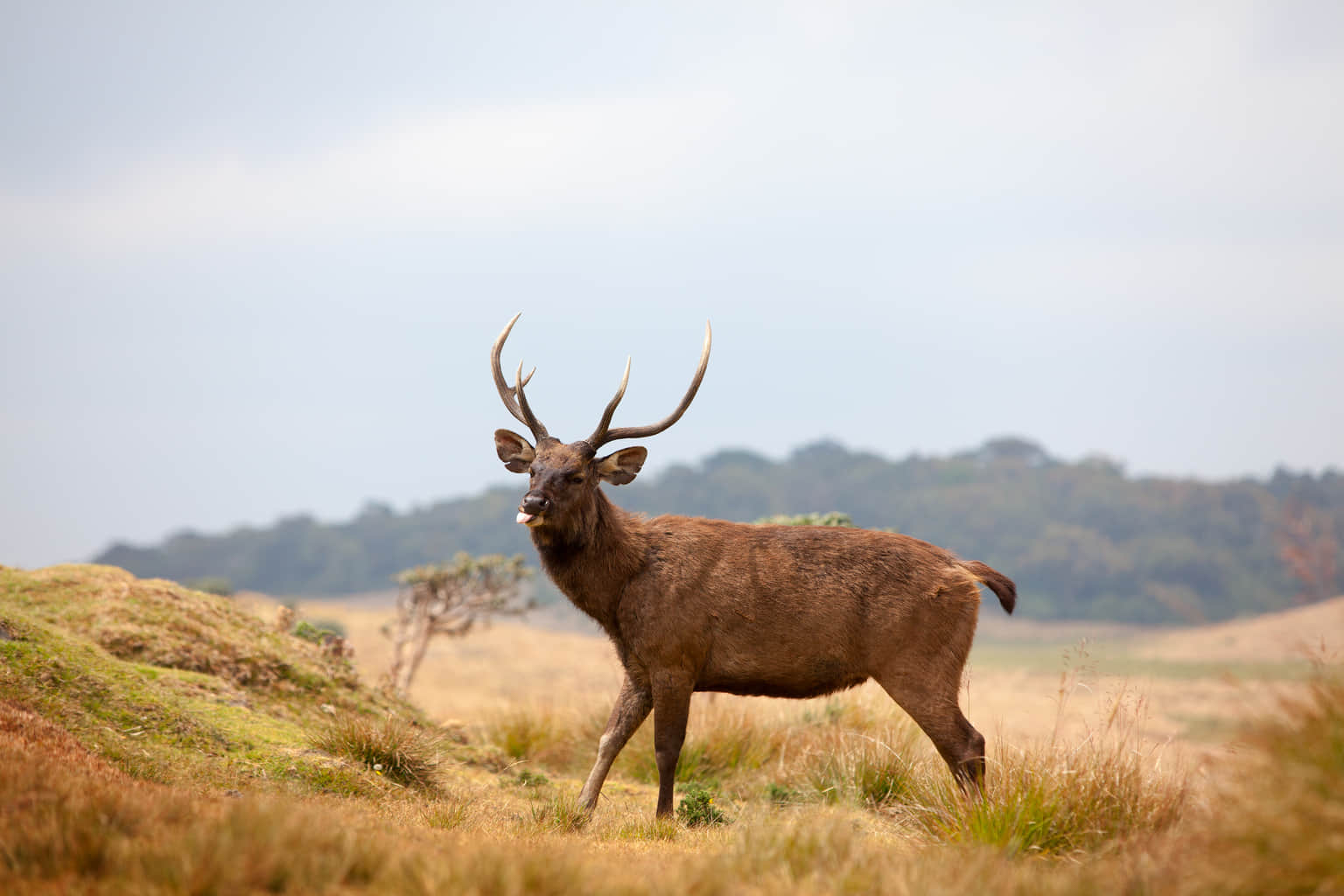
As far as the animal life of the national park is concerned, it is amusing, copious, and diverse. There are at least 24 varieties of mammals like rusty-spotted cats, purple-faced langurs, wild boars, and Sri Lankan leopards. However, the commonly spotted animals are the Sambar Deer found in Horton Plains National Park.
The park boasts of a combination of mixed varieties of fauna including nine reptile species, 87 bird species, as well as eight amphibian species. Horton Plains National Park is also popular for its elephants; though the species became extinct here post the 1940s.
The national park is the favorite of bird lovers, home to a diverse 21 species including the dull-blue flycatcher, Sri Lankan magpie, Wood pigeon, Sri Lankan Spurfowl, Yellow-fronted Barbet, jungle fowl, Orange-billed babbler, and Sri Lankan white-eye.
The special mention is of the Sambar deer in Horton Plains National Park, the animals you can spot around the edges of wooded parts of the forest. If you are fortunate, you can notice the giant squirrels and shaggy bear-monkey and capture these animals in their various moods in your camera lens.
You may also notice animals such as the large herd elk, outlined against the lowland clouds that move past rhododendrons, a colorful flowering plant seen in Horton Plains National Park. You will also spot the rhino-horned lizard, which is an unusual and relic species of the forest. Take photos of a few lizards with preposterously, fluorescent green scales.
Tips for visiting Horton Plains National Park
There are a few things to remember before you visit Horton Plains National Park. These are:
- Reach the park by 9 am to get the best scenic views. If you are late, the mist cover will ruin your viewing experience.
- Make sure you have around three or four hours for the trekking adventure, which includes halts for taking pictures.
- Bring exact currency notes or small change like coins if you want to use the toilets near the entrance for a fee.
- Do not forget to visit the museum close to the park entrance
- Do not speak loud or shout when walking around the park because you may scare off the wild animals. Keep silent if you want to spot animals and take photos.
- Wear comfortable, strong walking shoes, sunhat, and shades.
- Carry food, water, and sunscreen lotion.






.jpg?w=1536&q=65&format=auto)