Hemis National Park
Leh

Hemis National Park

Skip-the-lineFamily-friendlyValid 1 day

About Hemis National Park

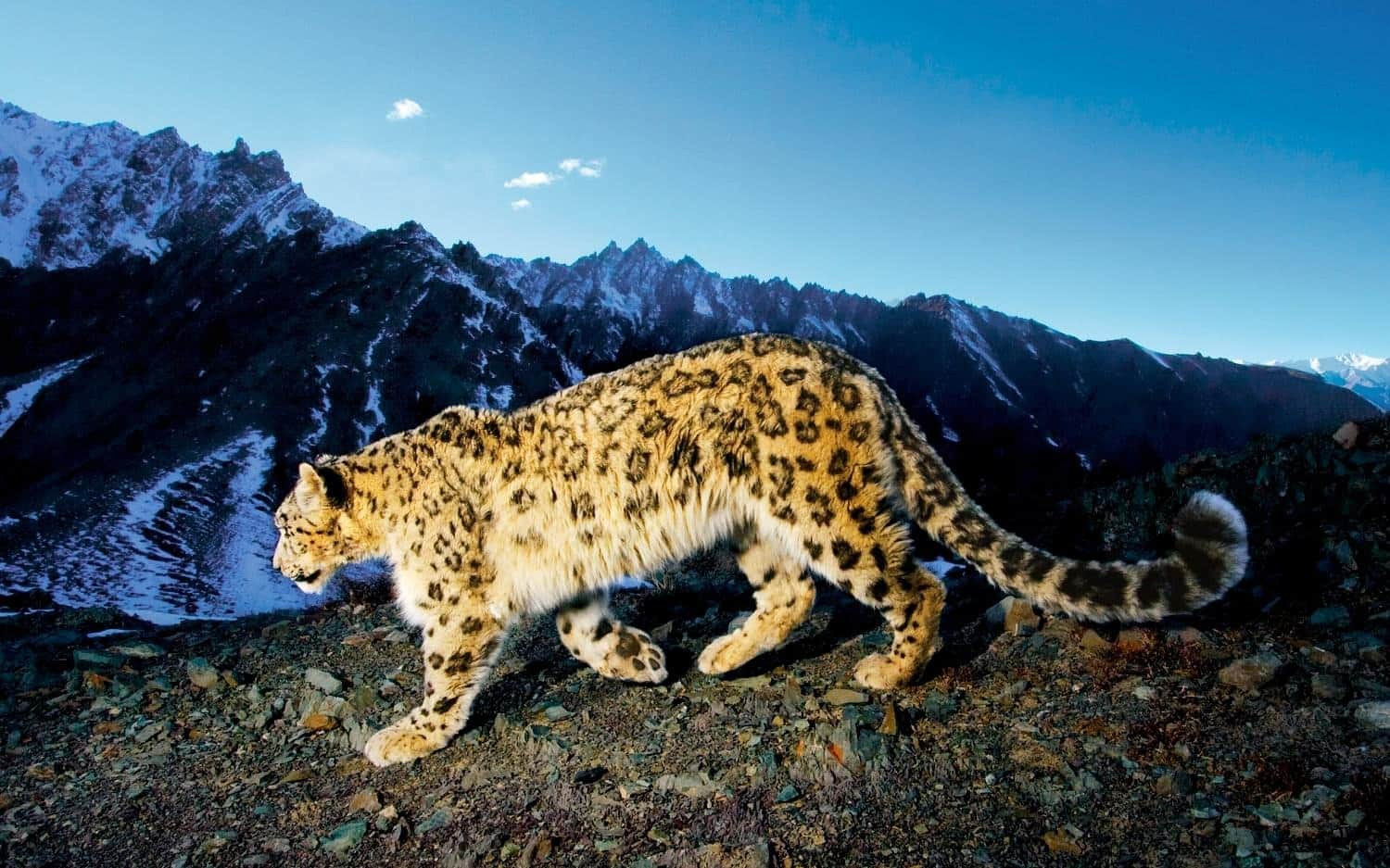
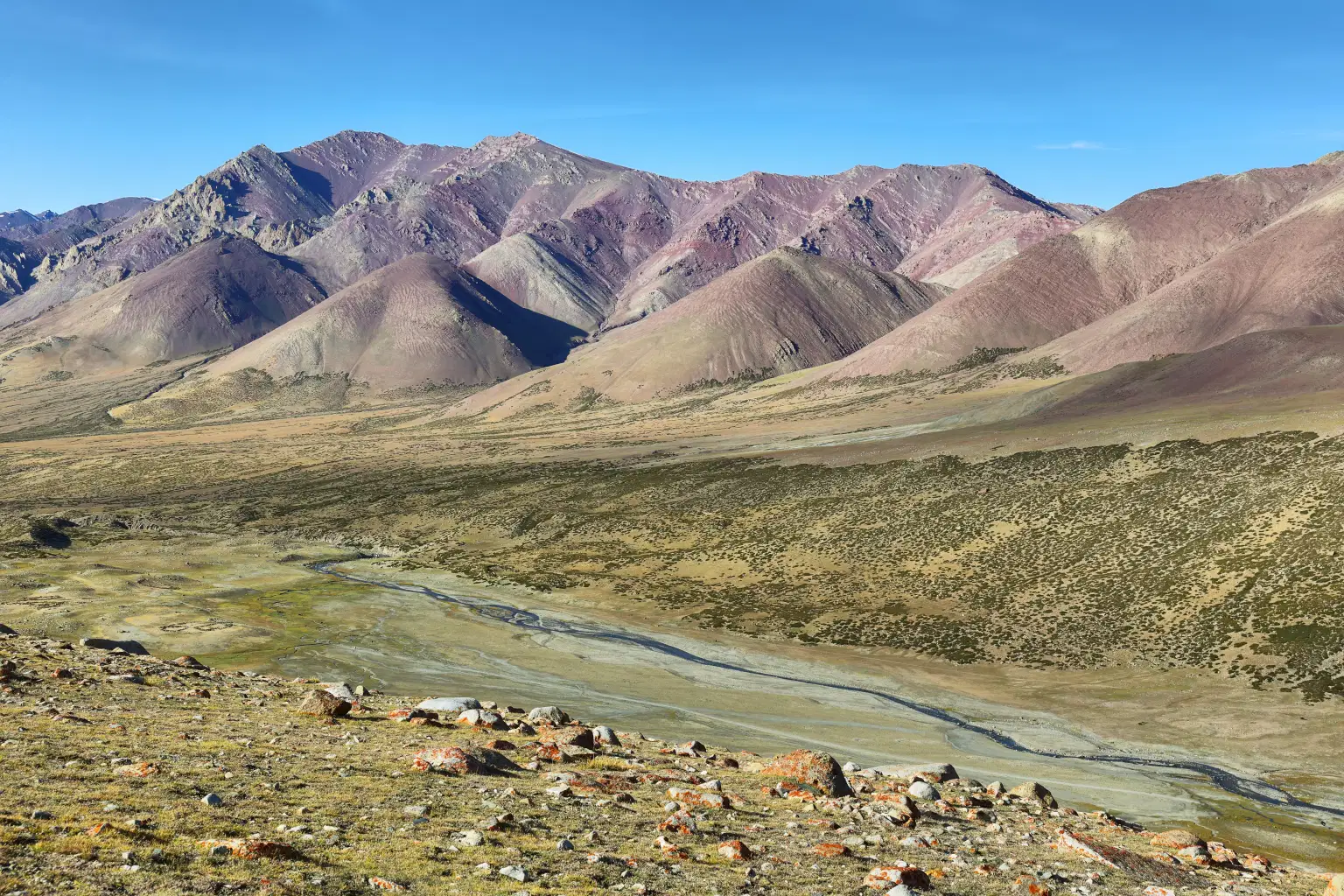
Hemis National Park is a very famous wildlife attraction in Ladakh, renowned for its large population of snow leopards as well as the varied bird species. After the Nanda Devi Biosphere Reserve, it is India's second-largest continuous protected area. The park covers an area of 3,350 square kilometres and is a must-see, not only for animal aficionados, but also for photographers and hikers as well. It’s often a highlight in many Ladakh tour packages for nature and adventure lovers.


Since it is positioned in the Himalayan rain shadow area, Hemis National Park receives very little rainfall throughout the year. As a result, the park is scattered with dry forests, with fir growing at lower elevations. The most common flora species are fir, juniper and dry birch as well as several rare and endangered medicinal plants.

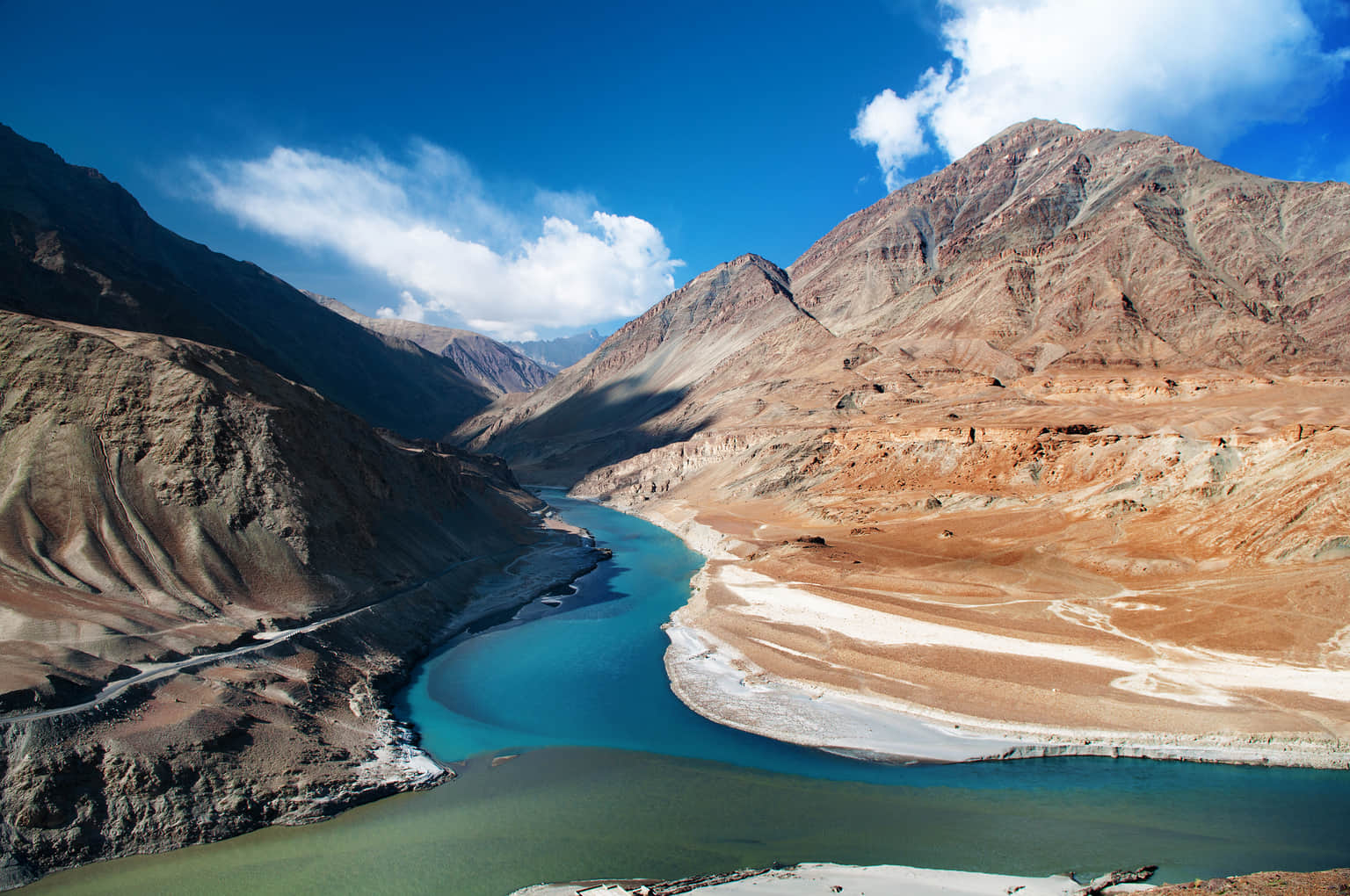
The park is a part of the Karakoram-West Tibetan Plateau ecoregion, which includes dense pine forests, alpine plants, and large meadows. The sweeping panoramas of the stream of the Indus River offered here are unmatched and in their raw form. Within the park lies several famous attractions of Ladakh, including the Hemis Monastery as well as the Stok Kangri Peak. Even after having such a huge collection of animals and birds, the Hemis National Park has been providing a route to various trekking trails. 

Hemis National Park Highlights

• Routes to some of the most popular treks in Ladakh like the Soutik to Stok over the Ganda La Pass and the Markha Valley trek pass through the Hemis National Park.
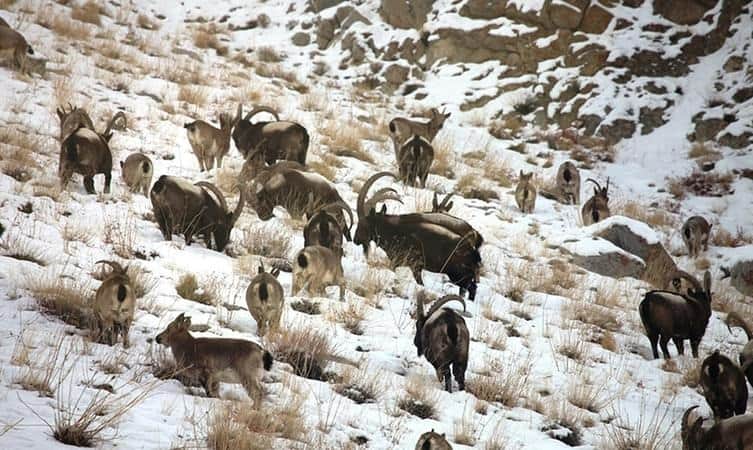
• In addition to being a home to over 200 snow leopards, the Hemis National Park is also a home to Shapu or the Ladakhi Urial, which is a rare species found in this area only.
• Sprawling over an area of 4400 square kilometres, the Hemis National Park is one of the largest National Parks in South Asia.
• Within the wilds of this National Park lie six different villages namely Kaya, Rumbak, Sku, Urutse, Shingo and Chilling, which altogether provide home to over 1600 people.
• Being such a huge park, the Hemis National Park is now a home to around 16 species of mammals and 73 species of birds, many of which are rare.
• The park is also a home to the Stok Kangri Peak and the confluence of Zanskar and Indus River acts as its boundary.
• Witness the 400-year-old Hemis Monastery which offers abundant trekking and hiking opportunities. 

Recognised by the world's travel authorities
Adfbvcs
Bsfdg
Sacx
Sdcd
Wersfv

Hemis National Park Best Time to Reach

The best time to venture on a trip to the Hemis National Park is between the months of June to October. During this time the weather is comparatively pleasant, hence you can explore the park at its best. 

Additionally, if you wish to spot the rare species of Snow Leopard then the early or the late winters will be the perfect time for you.

Also Checkout and Book: Ladakh Road Trip

Thrillophilia

Why Choose Thrillophilia?

3 Million+

Happy customers from 70+ countries all around.

4.8/5

Rated across Trip Advisor and Google reviews.

Curated With Love

Special curated Indian itineraries built for Indians.

24/7 Assistance

Always there to help before and during trips.

Hemis National Park Other Essential Information

Climate conditions:

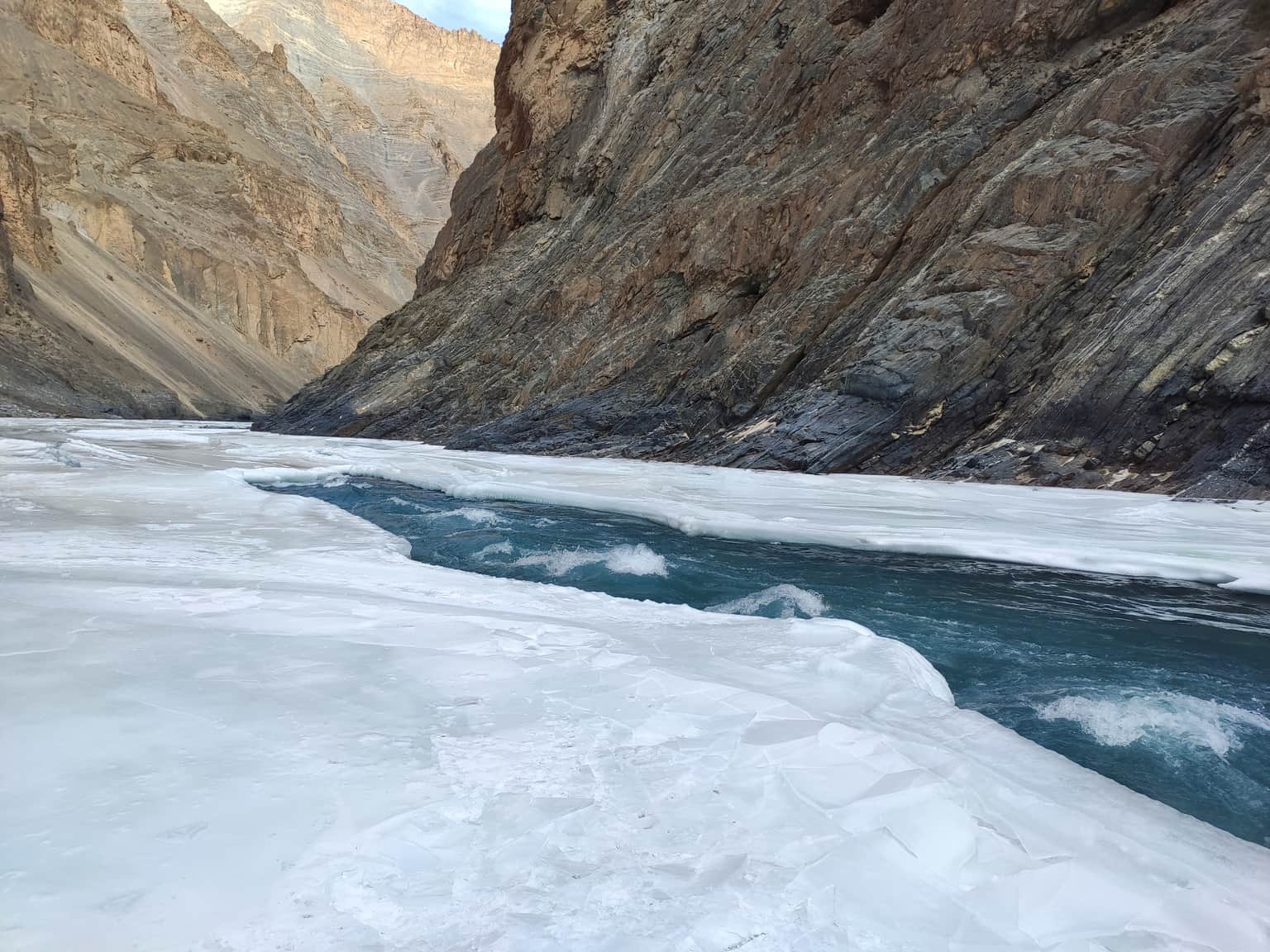
Hemis National Park is a spot of intense cold due to its location and high altitude. In the winter, temperatures can dip to -20 degrees Celsius, while in the summer, it can reach 30 degrees Celsius. The average annual rainfall in Leh is 160.5 millimetres.

Wildlife at Hemis National Park

Mammals: The Hemis National Park is well-known for its diverse range of mammals, many of which are endangered or only found at high altitudes. These include the Snow Leopard, the Himalayan Marmot, the Mountain Weasel, the Tibetan Wolf, the Red Fox and the Asiatic Ibex. 

Birds: The Hemis National Park is a home to a wide variety of birds as well, which include the golden eagle, robin accentor, lammergeier vulture, red-billed chough, streaked rosefinch and fire-fronted serin. 

Different Entry Points:

There are four different entry points of Hemis National Park, each of which lie in some different location. 

  • The Stok Entry Point: This entry point lies to the north of the National Park and is located at a distance of 13 KM from Leh. 
  • The Zingchen Entry Point: This entry point lies to the north of the National Park and located at a distance of 25 KM from Leh. 
  • The Martseland Entry Point: This entry point lies to the south-east of the National Park and is located at a distance of 41 KM from Leh. 
  • The Chilling Entry Point: This entry point lies to the north west of the National Park and is located at a distance of 60 KM from Leh. 

Permits: A permit from the wildlife office in Leh is required to enter the Hemis National Park. 

Suggested Read: How to Plan a Leh Ladakh 5 Days Itinerary

Trussted Partners

Hotel & resort partners
Hotel & resort partnerHotel & resort partnerHotel & resort partnerHotel & resort partnerHotel & resort partner
Tourism boards
Tourism board partnerTourism board partnerTourism board partnerTourism board partnerTourism board partnerTourism board partner

How to Reach Hemis National Park

The Leh Kushok Bakula Rimpochee Airport, which is roughly 47 kilometres away, is the closest airport to the Hemis National Park. Once you have reached Leh, you can cover the remaining distance by either taking a local car rental or a shared cab. 

Planning your trip to Ladakh, then checkout Leh Ladakh Bike Trip Packages

Hemis National Park FAQs