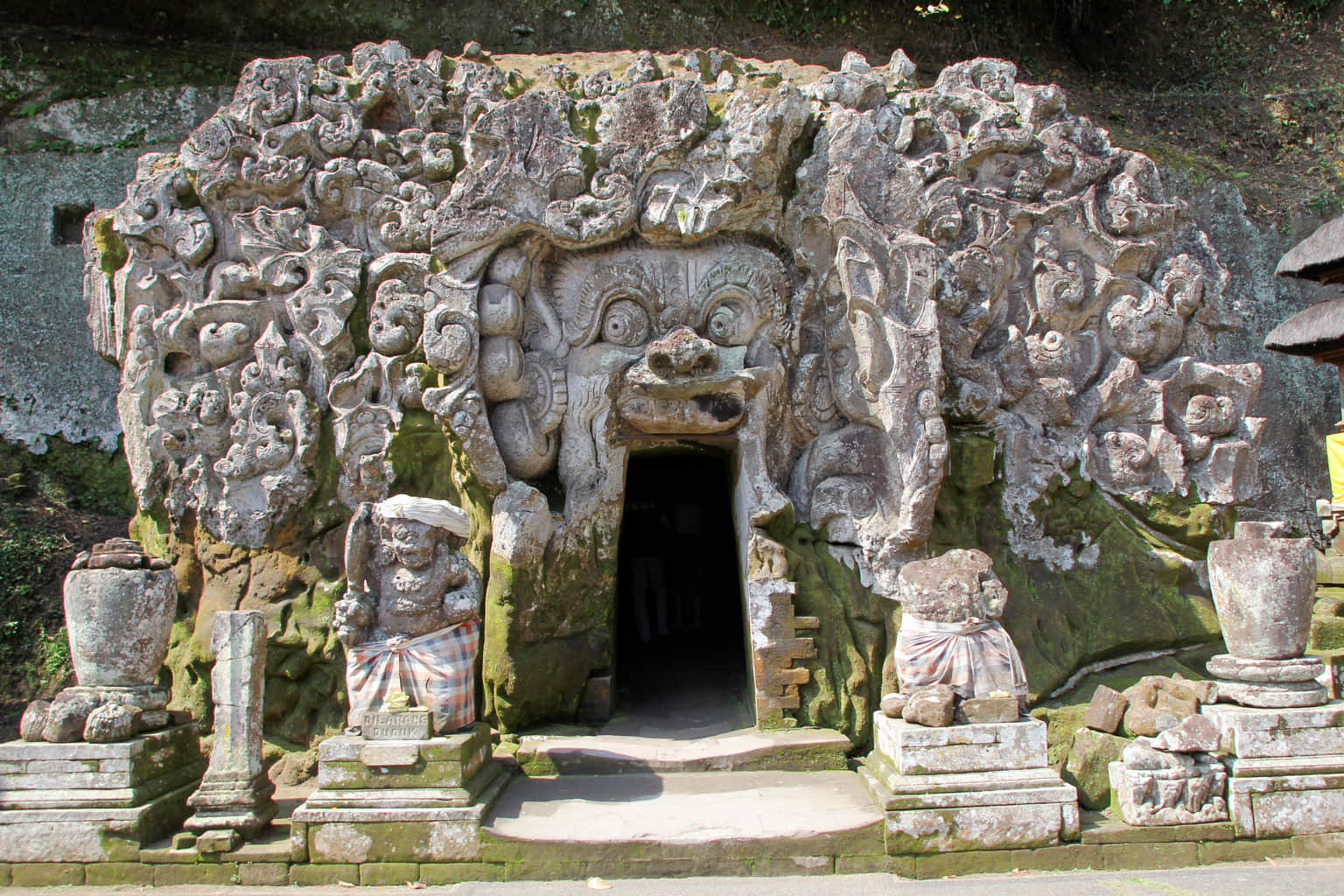
Goa Gajah, Ubud
About Goa Gajah
Day Wise Timings
Goa Gajah opening hours through the week.
Goa Gajah Highlights
How To Reach Goa Gajah
Best Time To Visit Goa Gajah
Goa Gajah Essential Information

Why Choose Thrillophilia?
3 Million+
Happy customers from 70+ countries all around.
4.8/5
Rated across Trip Advisor and Google reviews.
Curated With Love
Special curated Indian itineraries built for Indians.
24/7 Assistance
Always there to help before and during trips.

Point of Interest for Goa Gajah
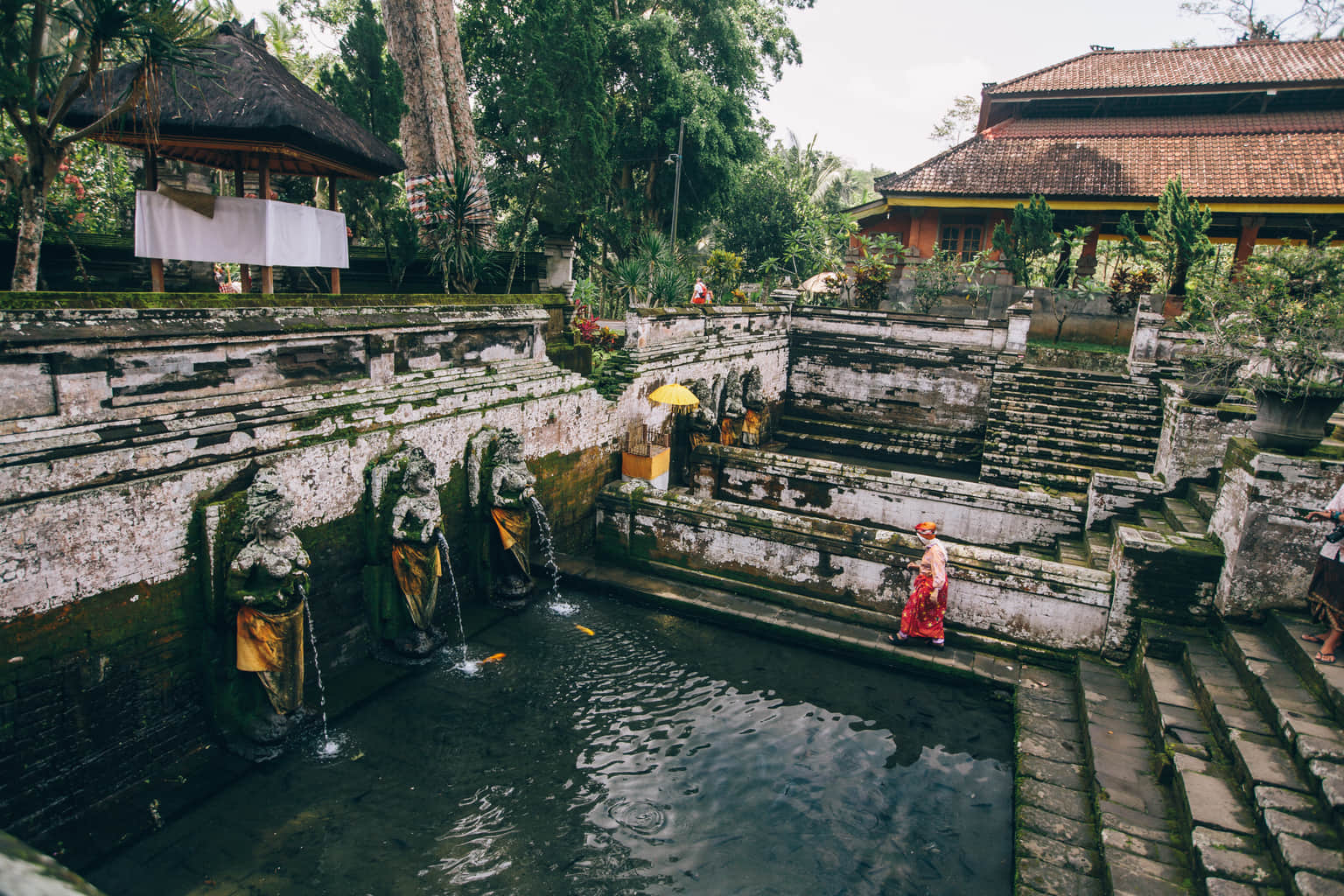
Explore the Ancient Cave
The demon's mouth at the entrance to the Elephant Cave leads to a small T-shaped hall through a dark and narrow path. The hall houses stone lingams wrapped in different colored clothes, symbolizing God Shiva, his son Lord Ganesha, and his female counterpart Yoni. Each of these idols holds a great religious significance for Hindus.
Additionally, there is a statue of Ganesha, the Hindu God who has the face of an elephant. There are black soot streaks on some of the cave's walls from previous incense fires, as well as some etchings on the walls indicating how the priest meditated in the past.
You May Also Like: Offbeat Things to Do in Ubud
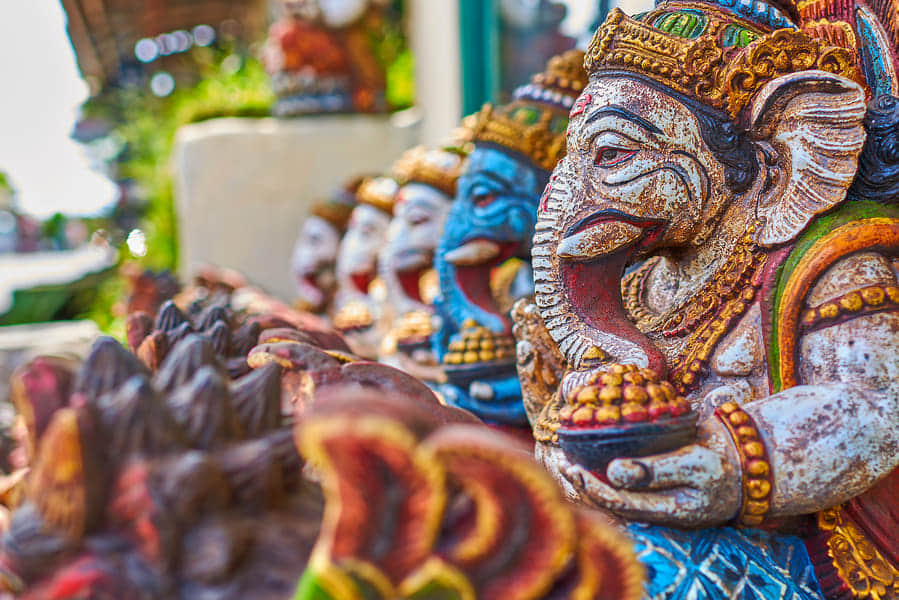
Balinese Art
The entrance wall of the cave as well as the walls of the hall are adorned with a kaleidoscope of landscapes, monsters, and people carvings depicting ancient Balinese Art. You can see sculpted mountain scenes, trees, interlaced leaves, stones, and ocean waves inside the cave. The engravings of animals, demons, and phantoms running in terror from the cave's entrance also represent ancient Balinese tales through art.
Also Check and Book: Traditional Handicraft Tour in Ubud

Lush Green Paddy Fields
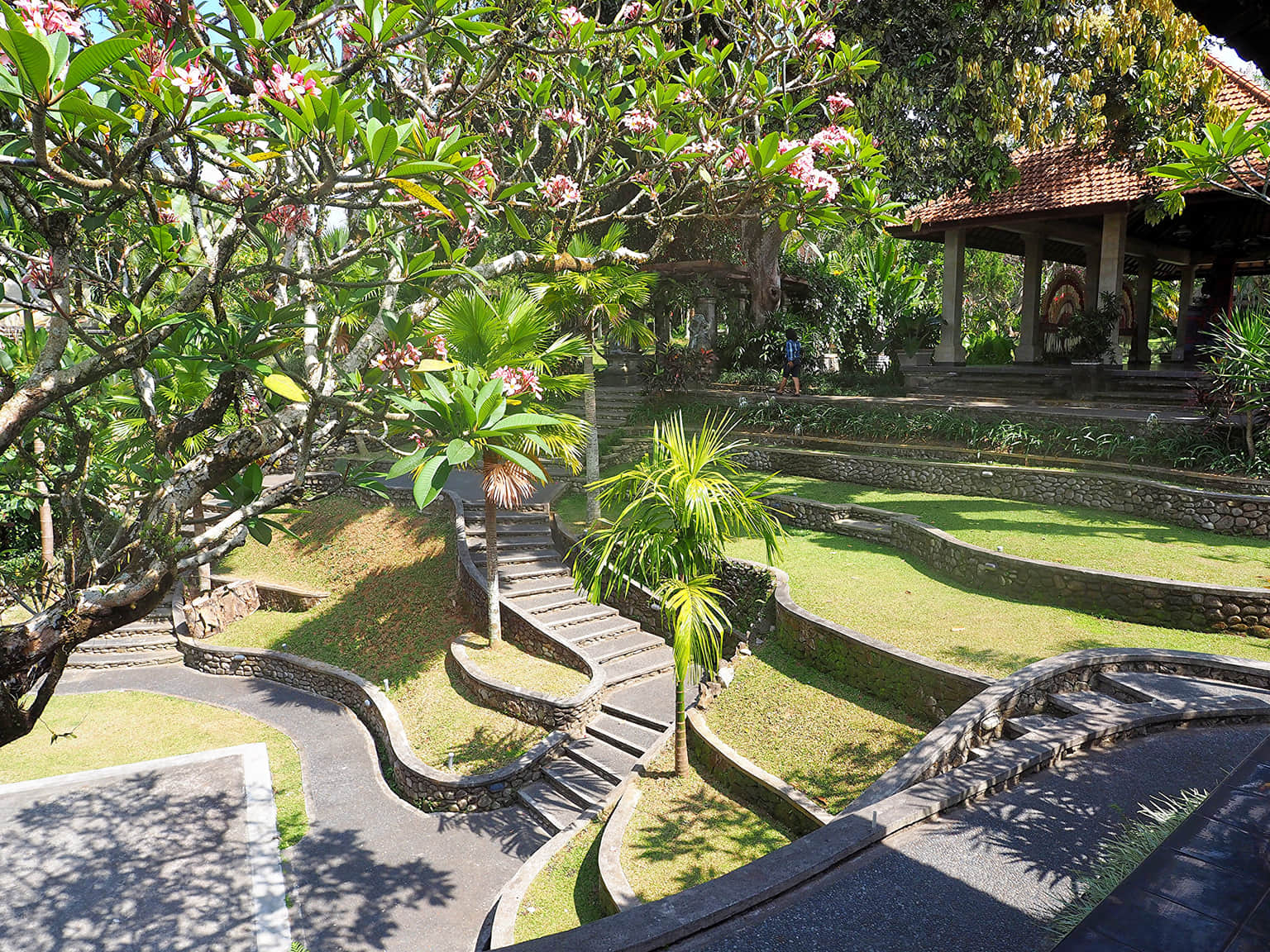
Goa Gajah's natural splendor is as captivating as its historical and religious significance. The rice paddies are a lovely place to visit after exploring Elephant Cave. Take a stroll through the beautiful countryside to the rice paddies and learn how rice farmers cultivate and harvest rice. Visit a traditional home to learn more about the culture of the Balinese people.
Take in the breathtaking scenery while learning about the island's people and their way of life. Don't forget to capture these beautiful scenery on your lovely trip.
Also Check and Book: Rice Field Trekking in Ubud
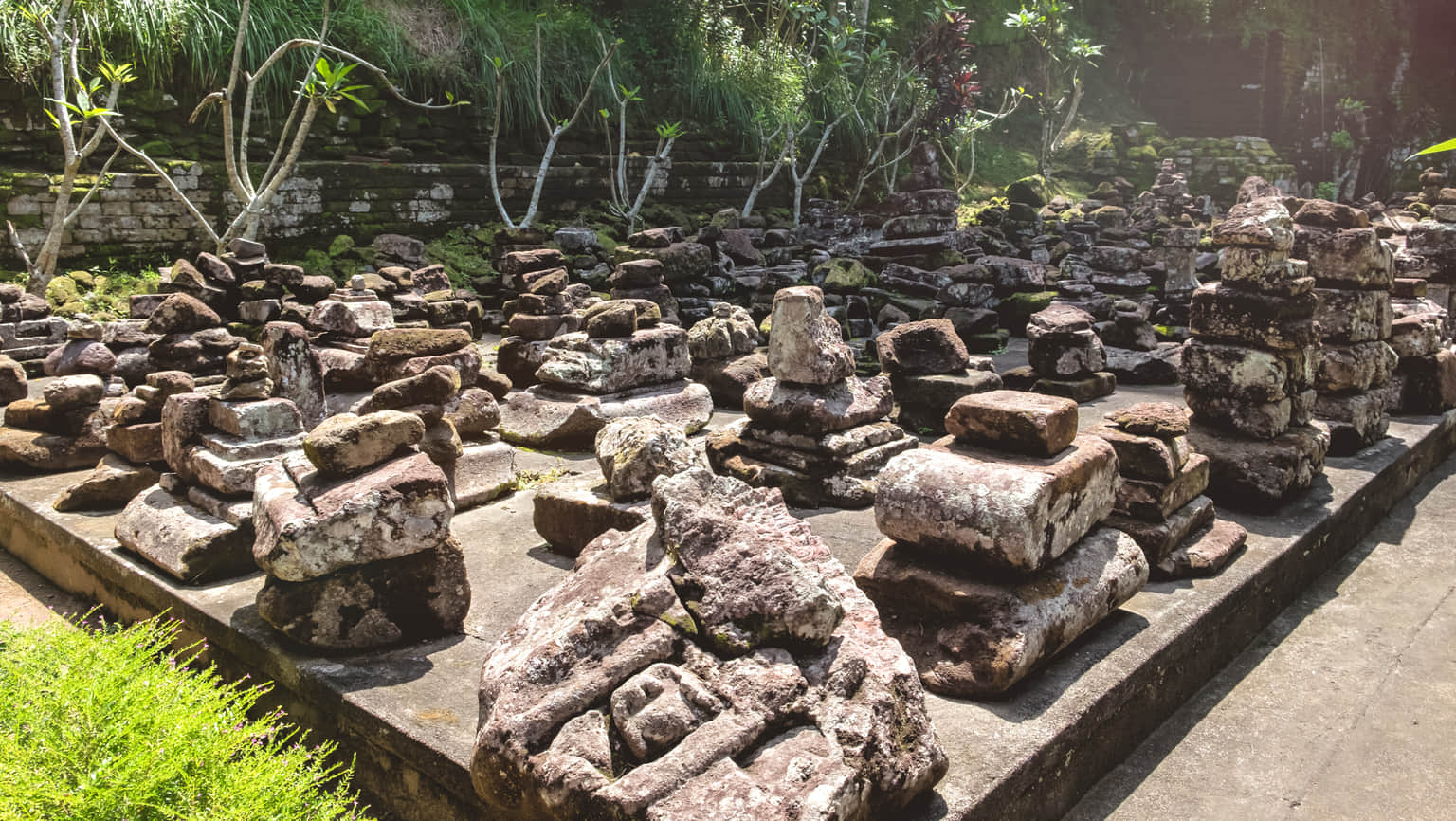
Ancient Stone Steps
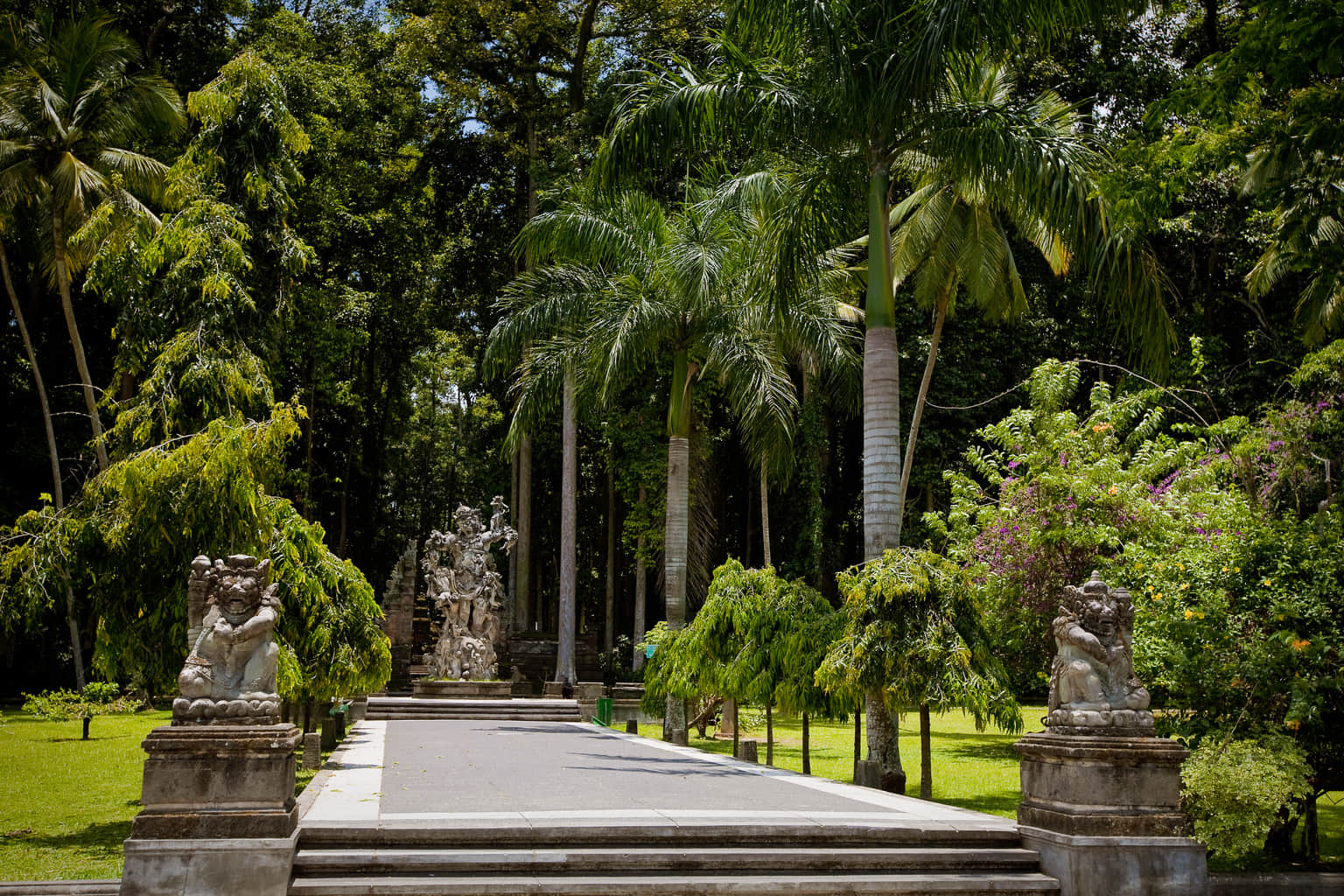
A set of ancient stone steps lead down to the Goa Gajah complex from the parking. These are tucked away in the shade of towering trees, resulting in an enchanting scene and a chilly atmosphere. From these stairs, one can overlook the entire complex of Goa Gajah. Many other stone stairways lead to the sacred pools, meditation area, Elephant cave, the Buddhist section, rice paddies, and an enchanting forest. These stone stairways are great examples of ancient architecture of Bali.
Click Here to Book Now: Best Temple Tour of Bali
Goa Gajah FAQs
Popular Related Attractions
.jpg?w=1536&q=65&format=auto)


%20(1).jpg?w=1536&q=65&format=auto)


.jpg?w=1536&q=65&format=auto)

More Things to Do in Ubud
Quick links to everything else worth a slot on a longer stay.