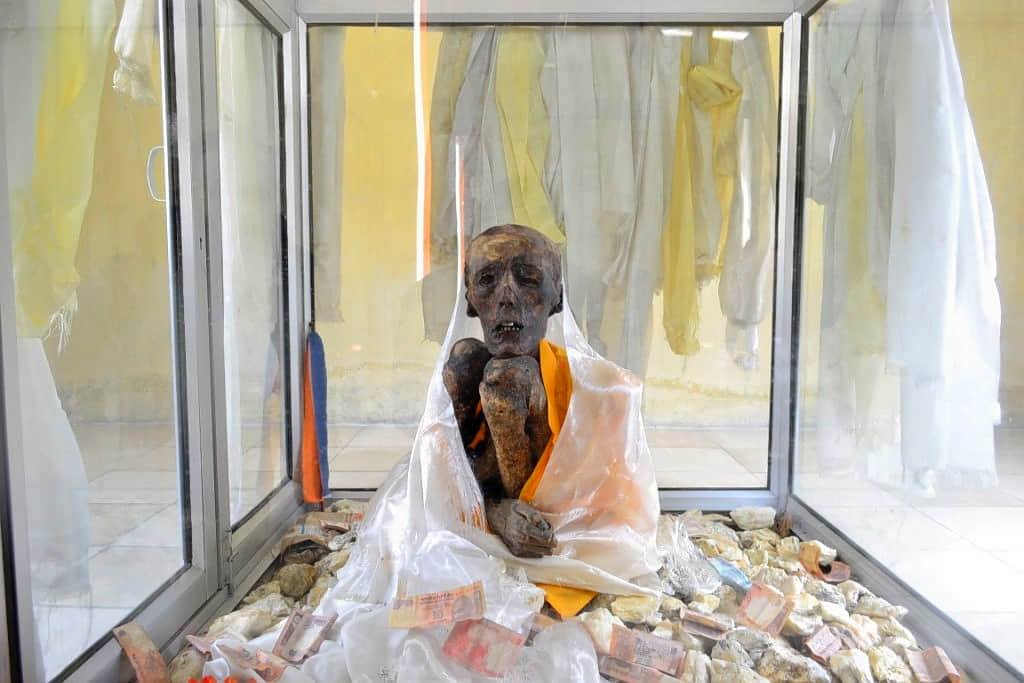
Gue Mummy Stupa, Spiti Valley
About Gue Mummy Stupa
Day Wise Timings
Gue Mummy Stupa opening hours through the week.
Gue Mummy Stupa Highlights

Why Choose Thrillophilia?
3 Million+
Happy customers from 70+ countries all around.
4.8/5
Rated across Trip Advisor and Google reviews.
Curated With Love
Special curated Indian itineraries built for Indians.
24/7 Assistance
Always there to help before and during trips.

Point of Interest for Gue Mummy Stupa
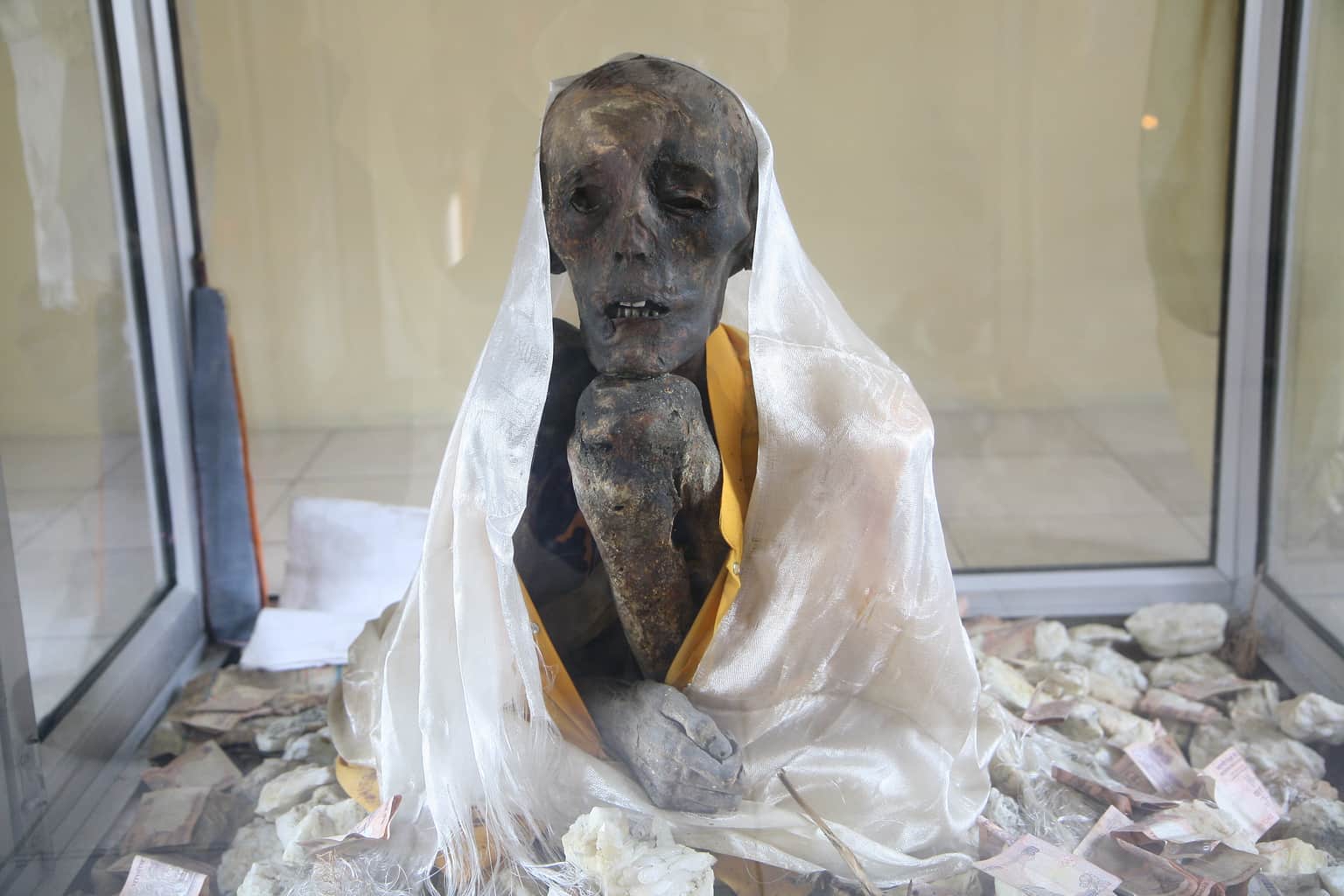
Witness the Ancient Mummy of Giu Village
Visit the Gue Village, where you can find the mummy of a 15th-century Buddhist monk. The mummy dates back to 1475 and is preserved in a glass case. It offers a glimpse into the spiritual heritage of the region. With skin, hair, and teeth astonishingly intact, it serves as a testament to the monk's meditative journey and the village's history. During your visit, you can learn about the folktales surrounding the mummy, suggesting that he sacrificed himself to protect the village. You can also learn about the self-mummification practice of the monk.
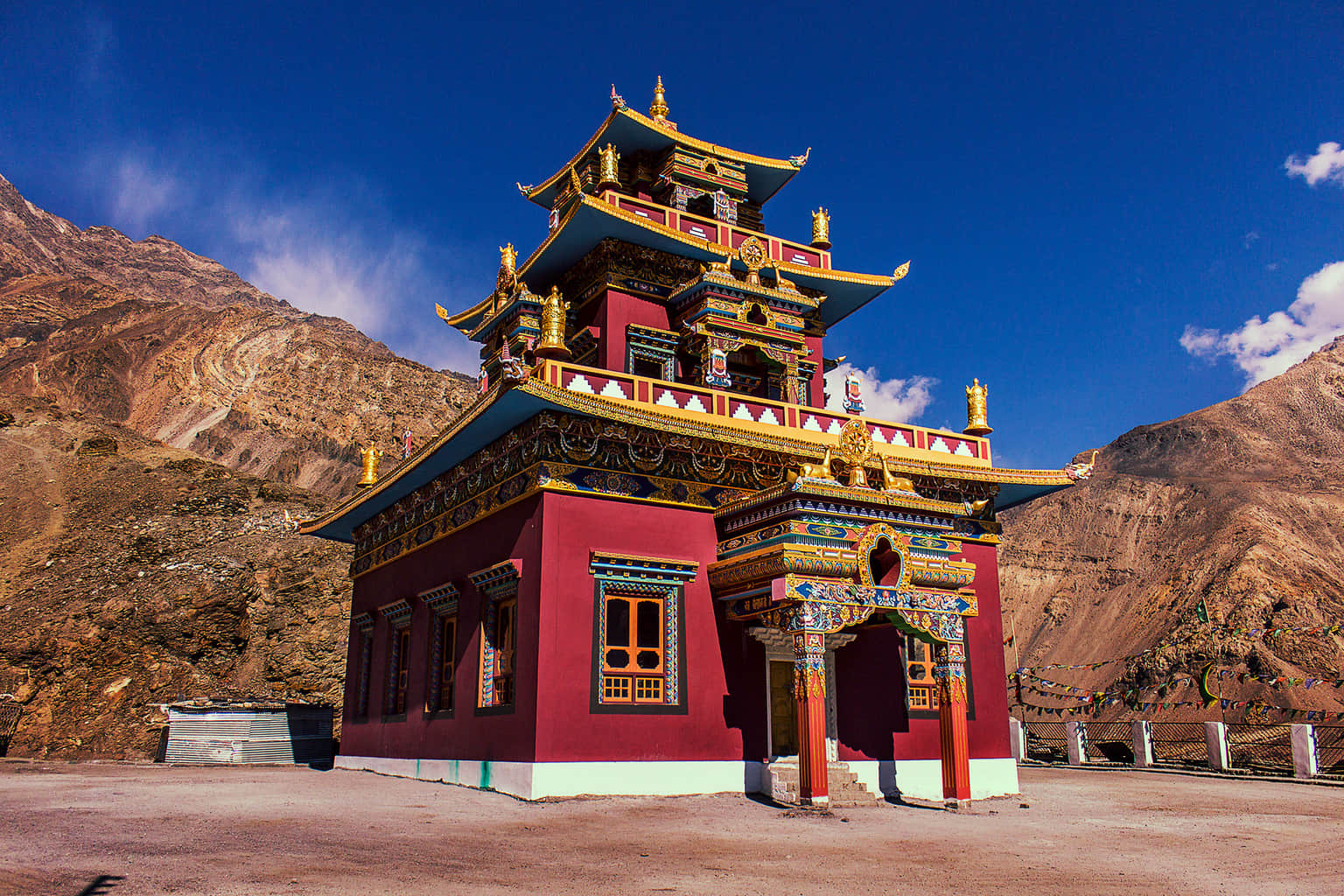
Enjoy the Giu Monastery's Tranquillity
Just a short walk from the mummy's shrine, the Giu Monastery offers a haven of peace against the backdrop of Spiti's dramatic landscapes. This sacred site, with its panoramic views, is a place of immense spiritual significance and is also an architectural marvel. Here, you can listen to the chanting prayers, explore the intricacy of vibrant thangka paintings, and experience a profound sense of spiritual serenity. The monastery's atmosphere, rich in history, provides a perfect setting for meditation and spiritual renewal.
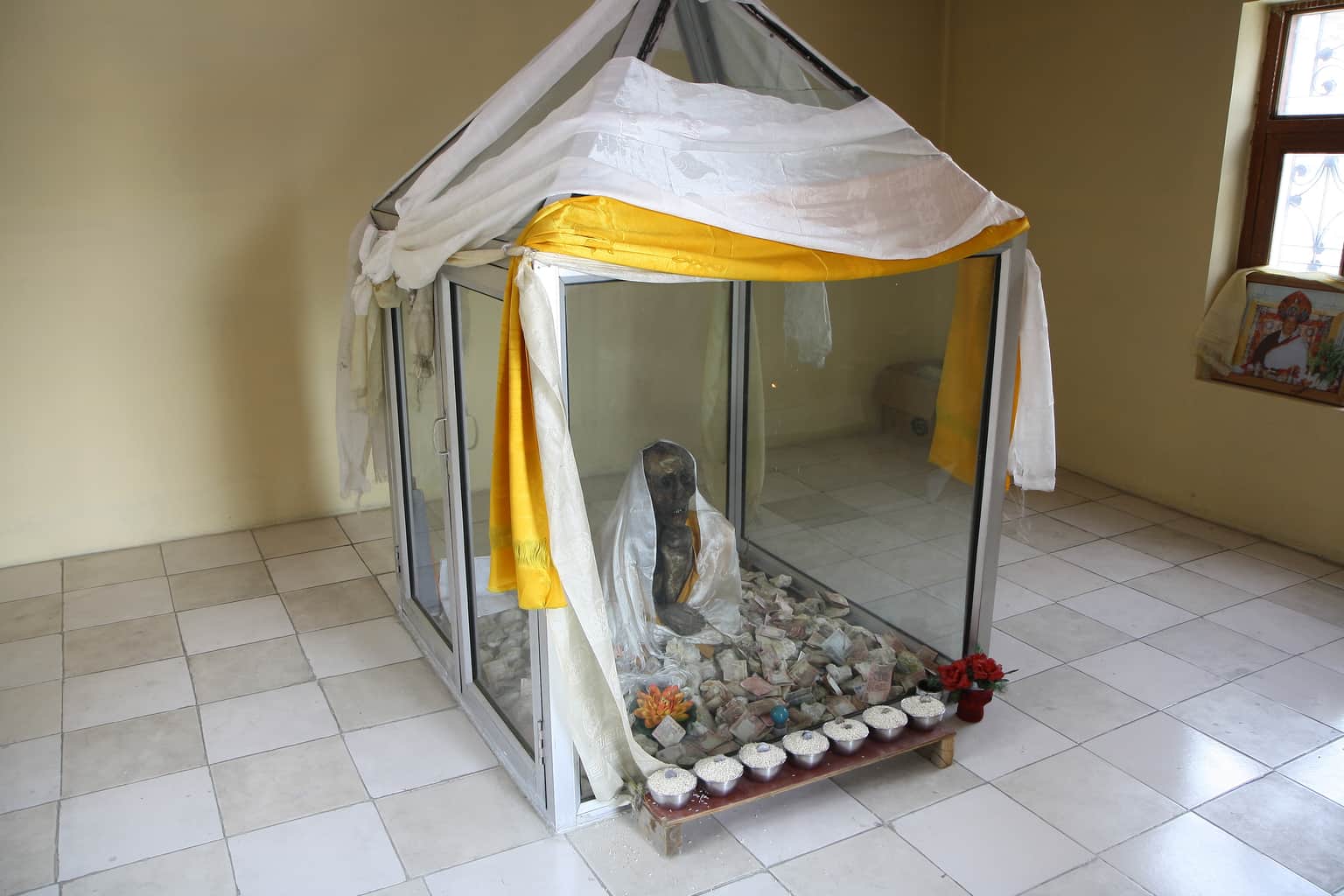
Pay Respect to the Giu Mummy
Visiting the Giu Mummy, you see the 500-year-old body of the Buddhist monk, Sangha Tenzin, who chose self-mummification through deep meditation. His remarkably preserved state, with intact skin, hair, and teeth, defies the natural decay process, emphasizing the monk's mastery over his physical self. It also highlights a strong belief in the power of meditation and self-discipline. During your visit to the village, pay your respects to the mummy, and learn about his spiritual legacy in the peaceful Spiti Valley.
Witness the Vibrant Festivals of Giu
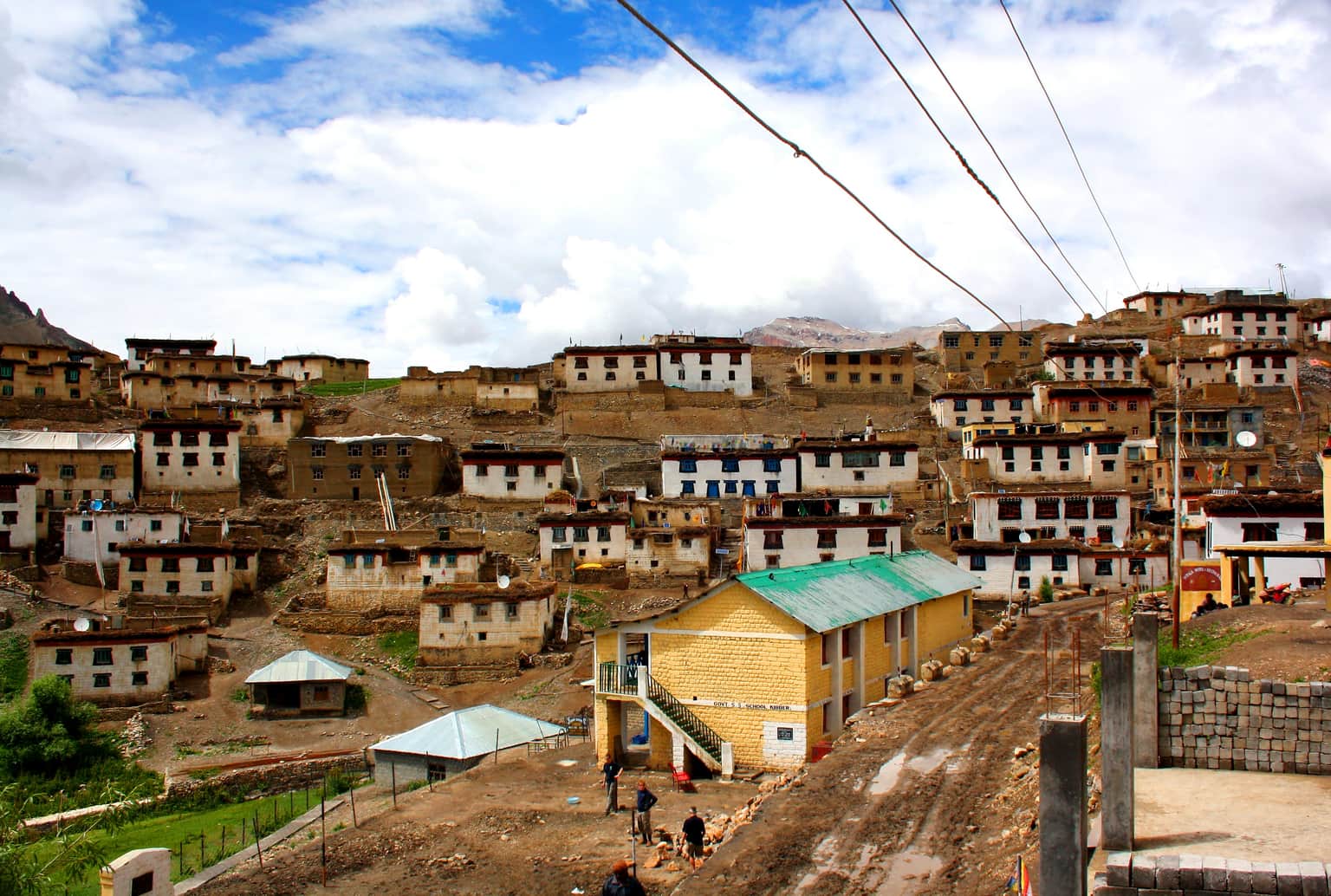
After paying your respect to the Giu Mummy, head over to explore the quaint and often offbeat Gue village. Here, you can take part in vibrant festivals and rituals, showcasing the rich culture of the region. During your visit, you will have the opportunity to witness festivals like Dachang in February or the Ladarcha and Namgan festivals in August. This is when the entire community comes together in a spectacle of colour, dance, and music. These festivals are deeply rooted in the village's traditions and Buddhist beliefs. Additionally, they provide a deeper understanding of the local way of life, offering a glimpse into the communal spirit of the region.
Trek the Trails Surrounding Giu
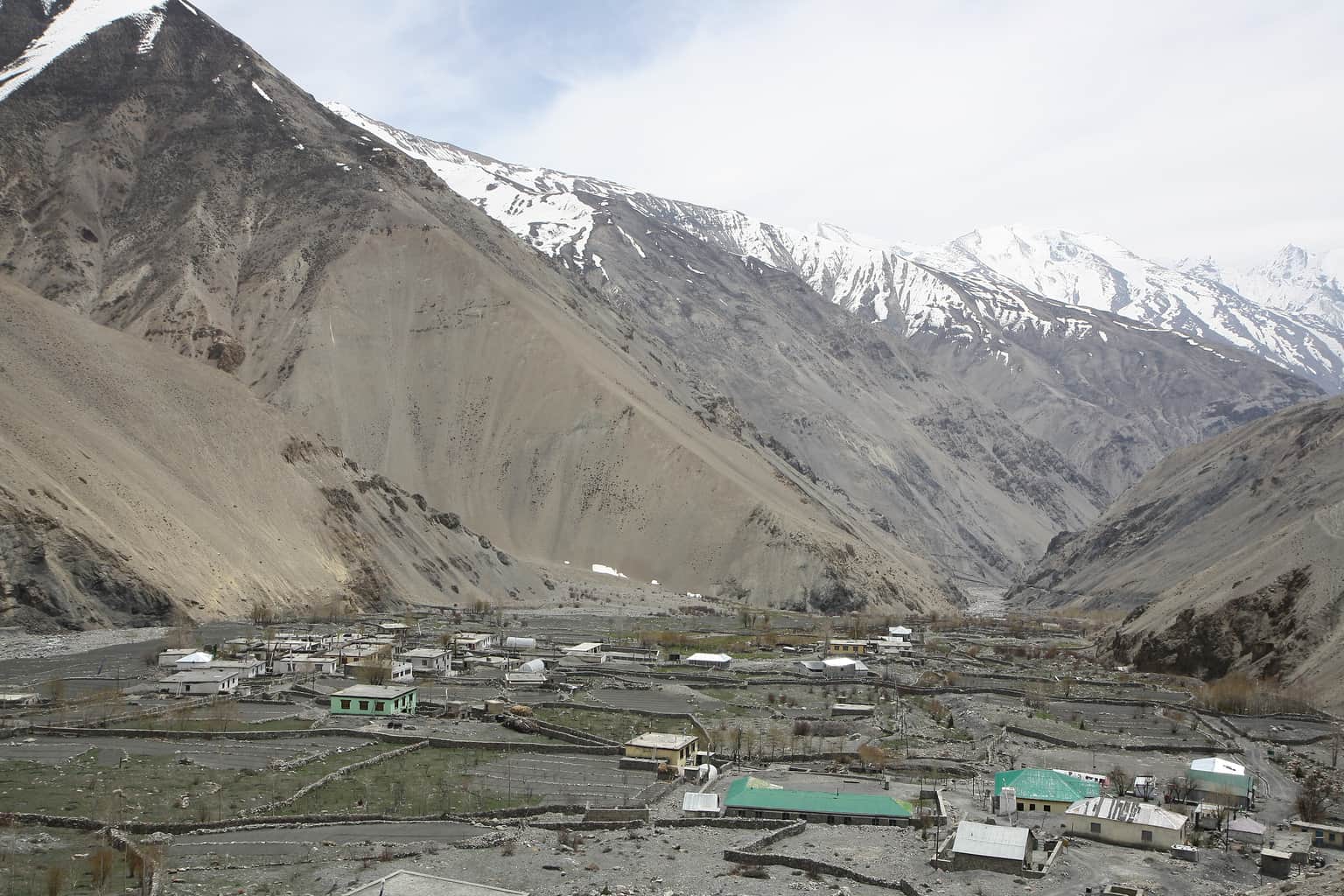
For the adventurous at heart, Giu offers unexplored paths and trails that lead through some of the most scenic landscapes in Spiti Valley. Trekking around this attraction also offers panoramic views of snow-capped Himalayan peaks, desert valleys, and the serene Spiti River winding through the rugged terrain. These treks vary in difficulty, catering to both seasoned hikers and casual walkers. Along the way, you can spot indigenous wildlife like Gaddi sheep, Blue sheep, Ibex, Himalayan red fox, etc. You can also discover secluded meditation caves once used by monks and immerse yourself in the beauty of nature.
Popular Related Attractions




More Things to Do in Spiti Valley
Quick links to everything else worth a slot on a longer stay.