Location: Wangdue Phodrang District, Bhutan
Opening hours: The Gangtey Monastery is open from 9:00 am to 5 pm.
Best time to visit: The best time to visit Gangtey Monastery would be in spring or autumn. Summers are also remarkable in the monastery, filled with the scintillating aroma of fragrant flowers at a high altitude.
Average temperature: The average temperature in Wangdue Phodrang varies from season to season and month to month. December-January-February is the coldest with an average temperature of 6°C and minimum temperature plummeting to around -10°C. The average temperature felt around the district during March-April-May is 12°C. However, in June-July-August, the climate is sunny and the temperature moderate, with a maximum of 27°C and a minimum of 9°C. Autumn is fairly beautiful in Wangdue Phodrang with an overall average of 13°C.
Distance from the nearest airport: The nearest airport to Gangtey Monastery is Paro International Airport located in Paro, Bhutan. The distance from the airport to the monastery is 166 kilometres and can be reached by cab in 4 ½ hours.
History of Gangtey Monastery
It is believed that Pema Lingpa had a psychic dream about Guru Rinpoche. In the dream, Guru Rinpoche divulged the information to Pema Lingpa about the treasures he had hidden all over Bhutan. At the age of 25, he had embarked on a search for the said hidden treasures in the form of images and scriptures related to Buddhism.
Gangtey Monastery was envisioned in the 15th century by Pema Lingpa and was first built by his grandson Gyalse Pema Thinley, the first Trulku in the second decade of the 17th century. It was later expanded by Pema Thinley’s son and Pema Lingpa’s great-grandson, Tenzing Legpai Dhendup, the second Trulku. Present Bhutan is ruled by the Wangchuk dynasty, the descendants of Pema Lingpa or the “treasure revealer”
From 2002-2008, the Gangtey Monastery was entirely remodelled under the present Gangteng Tulku, H.E. Rigdzin Kunzang Pema Namgyal.
Architecture of Gangtey Monastery
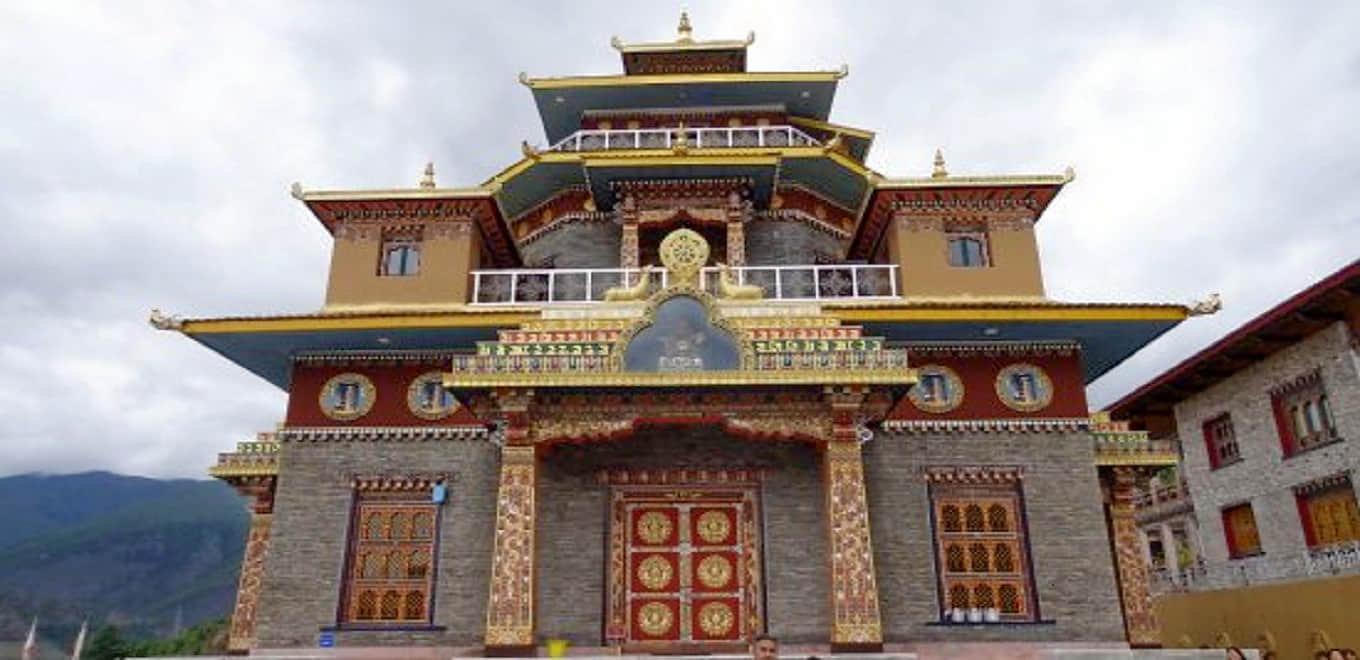
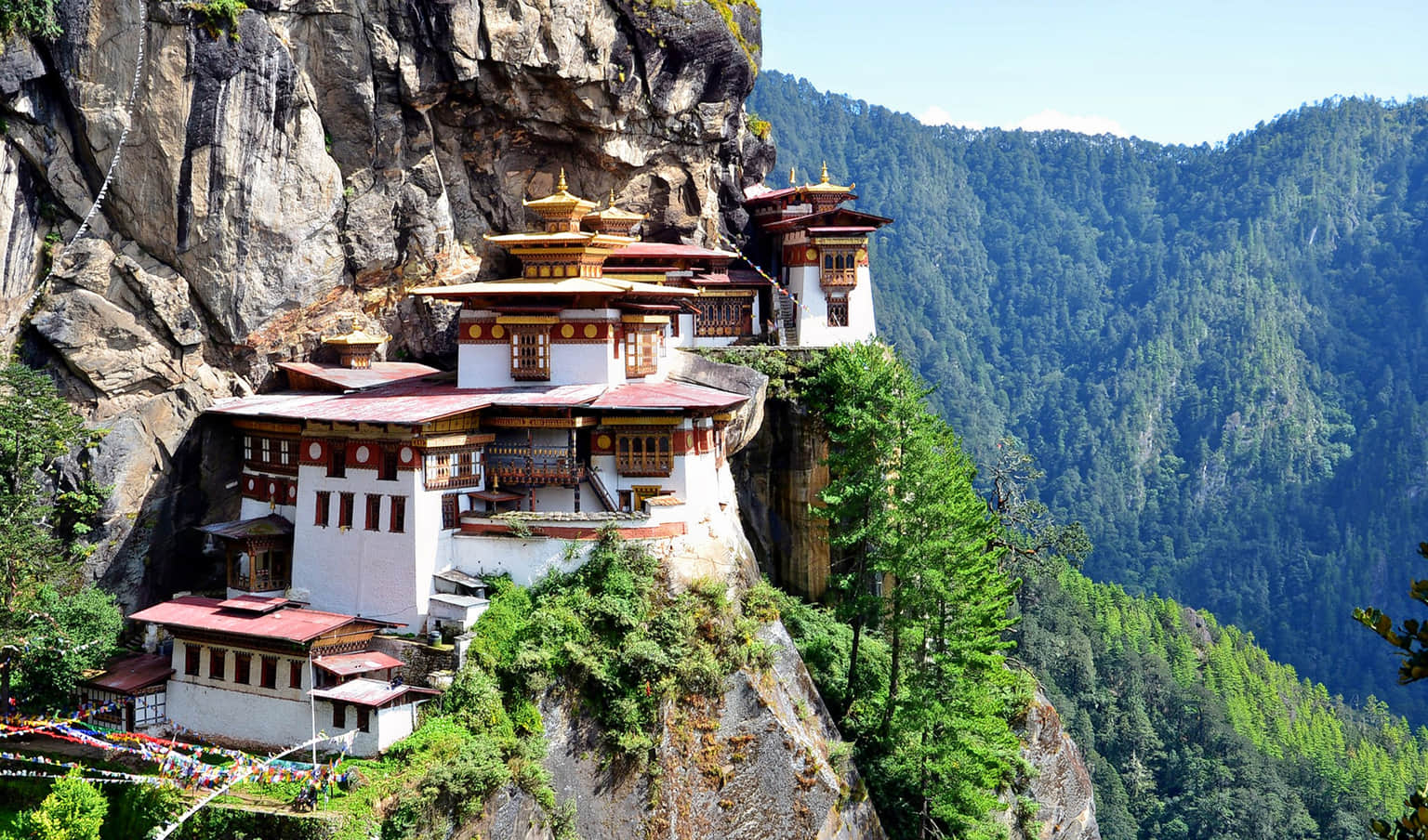
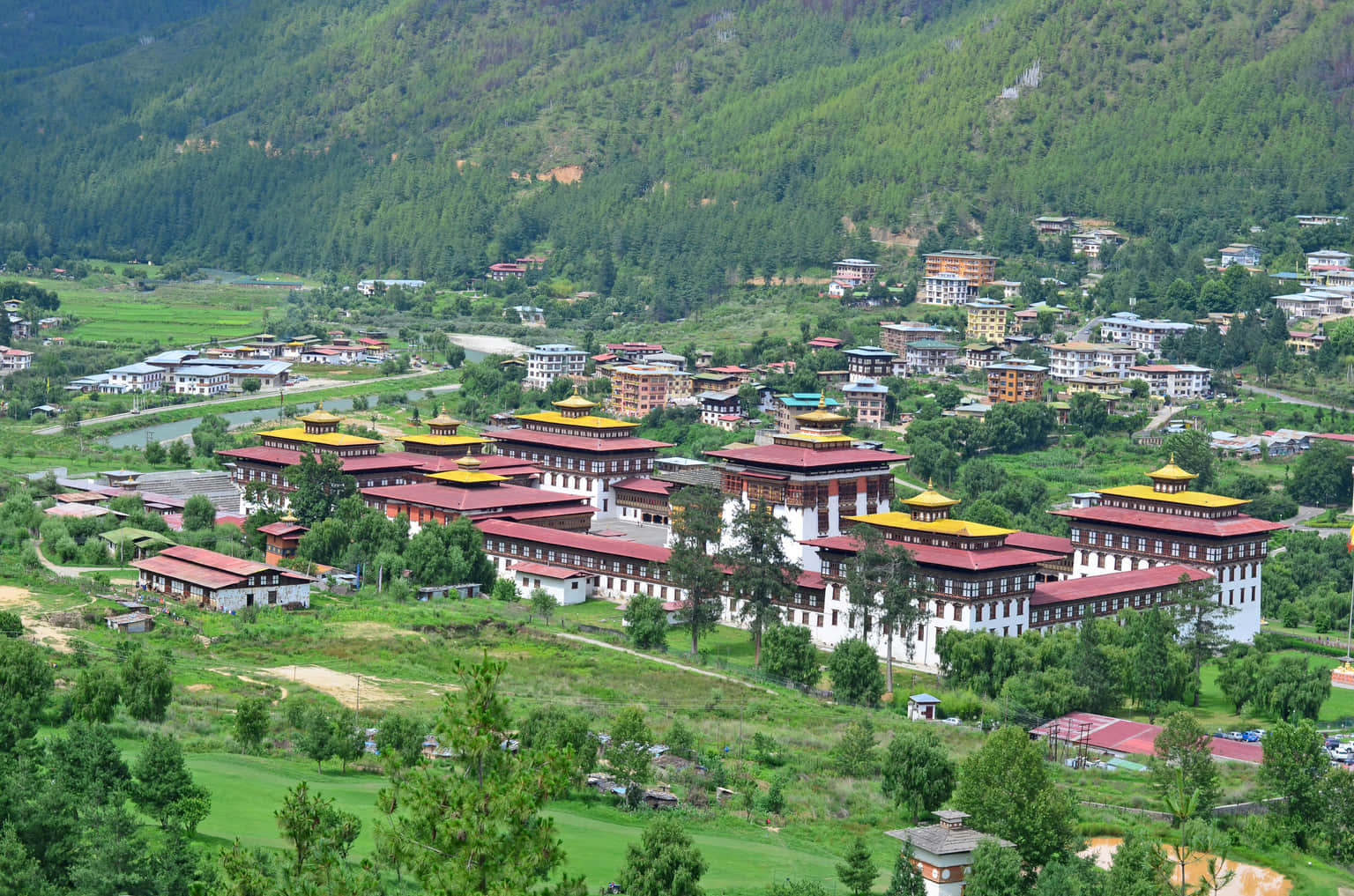
The complex in the monastery has five towers that surround the main hall which is referred to as tshokhang. It is constructed with eight huge wooden pillars, considered to be the largest in the entire country.
In 2008, the monastery was completely restructured with enormous renovation under Kunzang Rigzin Pema Namgyal. While keeping the venerable masterpiece intact with its structures, paintings, and carvings, 104 new pillars were intricately crafted by the local artisans.
The monastery is now occupied by 100 monks who help maintain the place and guide the tourists to various Buddhist rituals. Their residential quarters surround the main premises of the monastery.

.png?w=1536&q=65&format=auto)