Location:
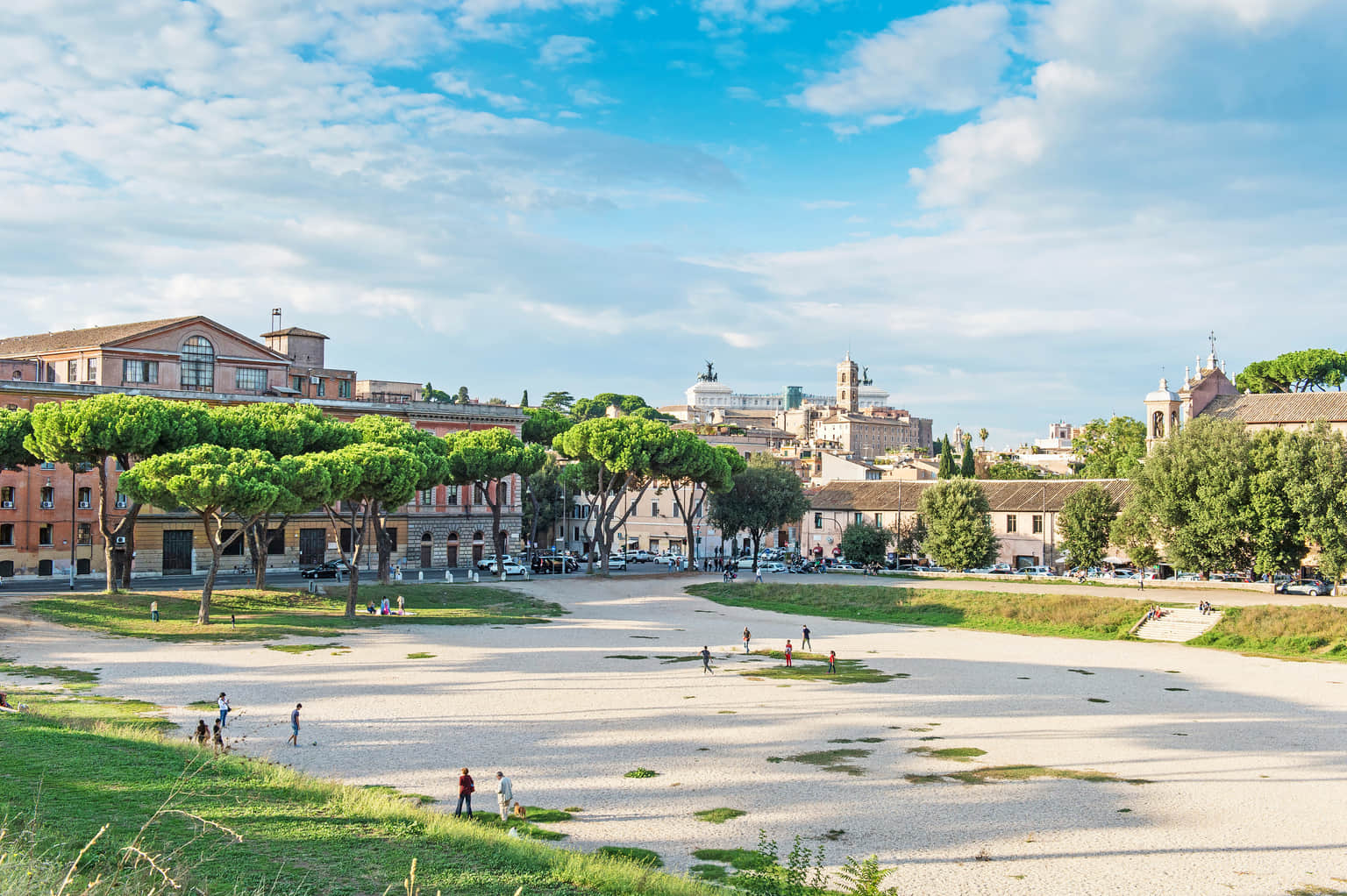
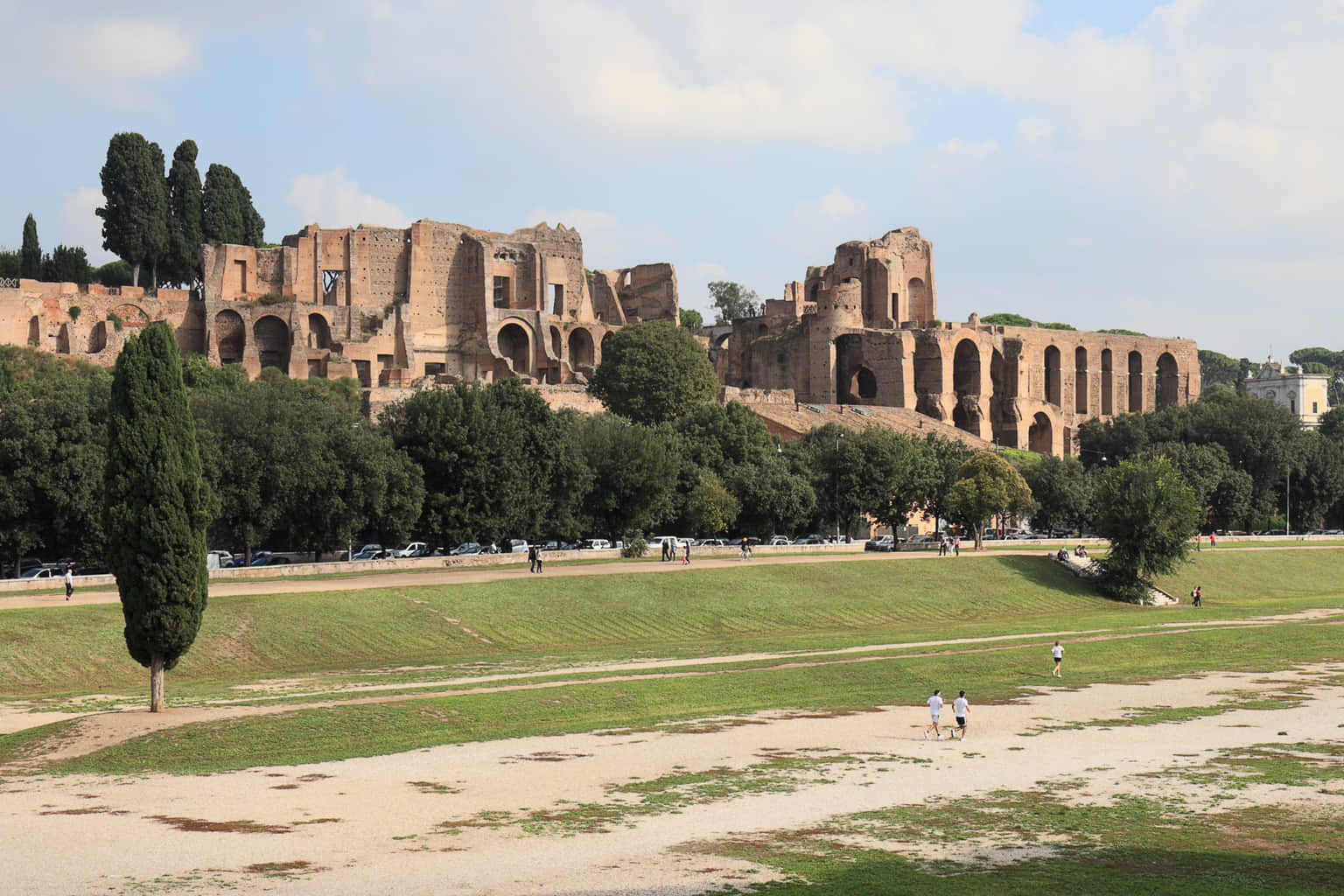
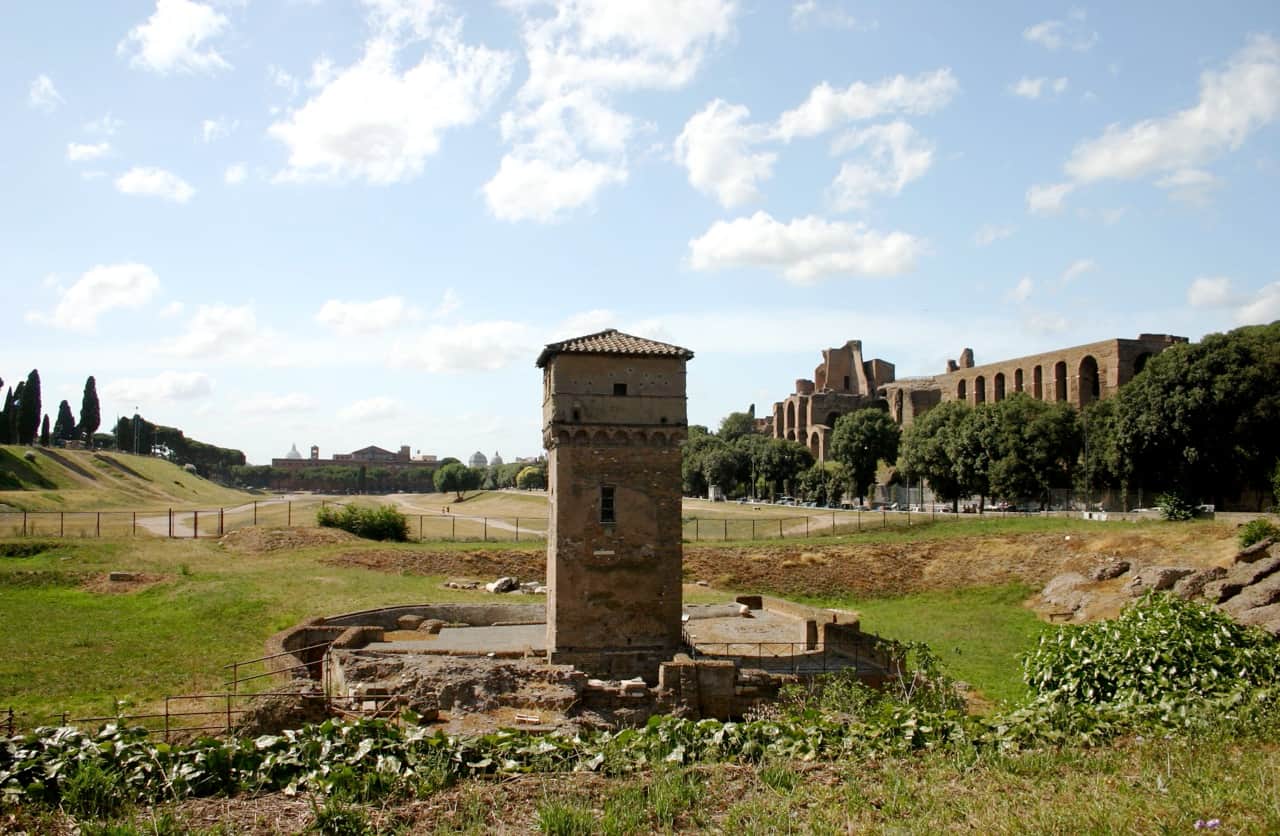
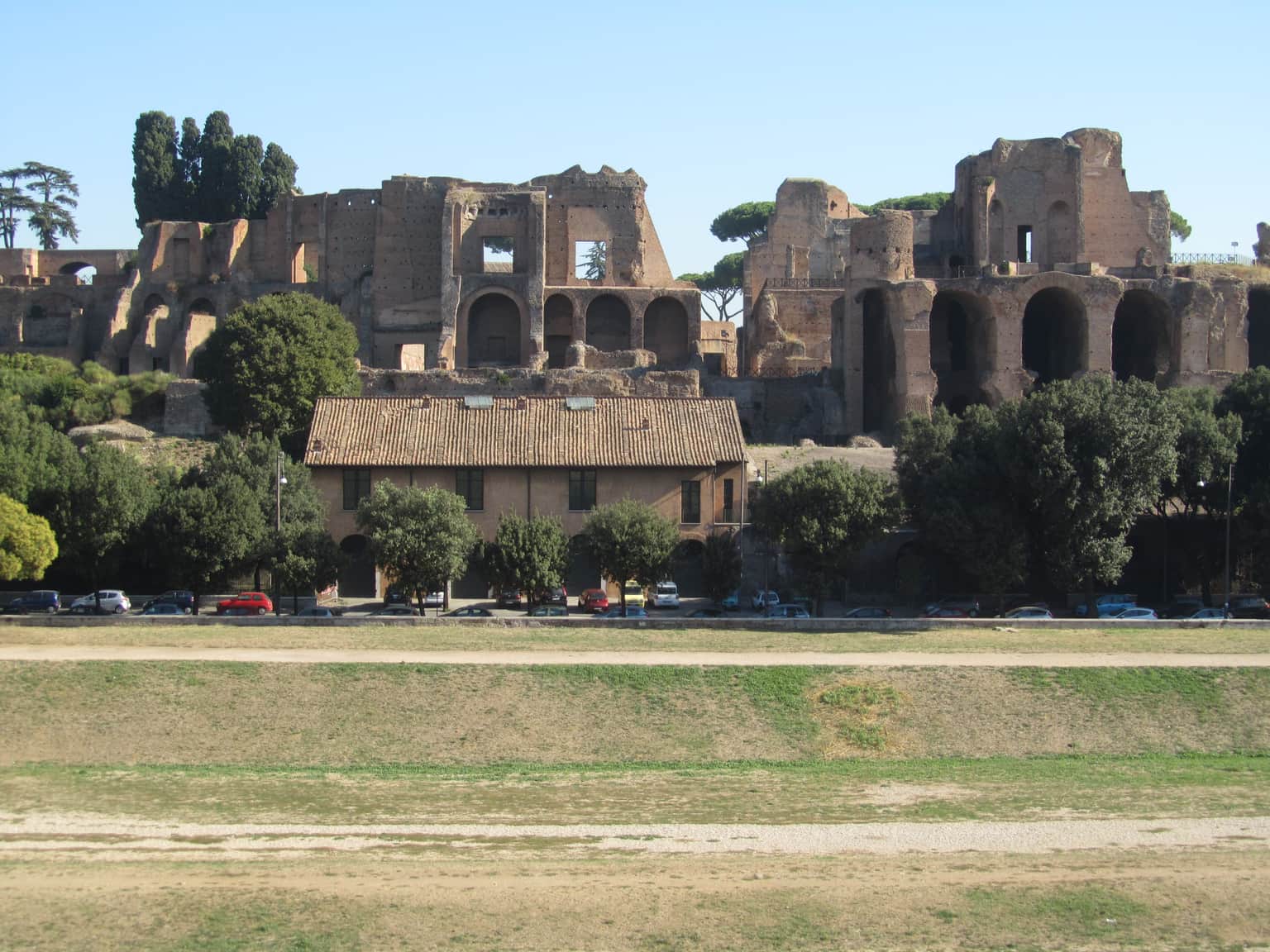
Circus Maximus is situated in the valley between the Aventine and Palatine hills.
Opening Hours:
Anyone who wishes to visit this park can visit -
- Tuesday to Sunday 9 am to 5 pm (during winter)
- Every day 9 am to 7 pm (during Summer)
Entry Fee:
There is no entry fee to visit this park.
Distance from Nearest Airport:
The park is very well-connected to the nearby airport. The road distance from Leonardo da Vinci airport is 27.4 km. A journey by train will take about 56 min. whereas if one wishes to travel by bus it will be 1 hr.19 mins.
Click Here to Book Now: Duomo Florence Tickets
History of Circus Maximus

The Circus was built in the sixth century BC. It had a sitting capacity of 250,000 spectators and the seats were made of concrete and wood. A devastating fire destroyed the structure in 64CE and this was then rebuilt. The following were the architectural features of this famous stadium:
- The racing track was covered with sand and measured 540*80 m.
- 12 starting gates for the chariots to start the race arranged in an arc
- An obelisk at the center of the track
- Conical structures at the end of each track
- Eggs and dolphins structures to mark the end of each track covered by a racing chariot.
Circus Maximus was not only a center for chariot races, but it also held religious ceremonies, public feasts, and national celebrations. These events strengthened the social bonding among citizens and they enjoyed it as much as the emperors.
Also Checkout: Places to Visit in Florence
Dimensions of Circus Maximus

Circus Maximus was built to be a stadium for sports and public entertainment. It was large enough to hold nearly 250,000 spectators. It measured 621m in length and 118 m. in width. The seats were made of concrete and wood. The spectators seated in banks that measured 28 m. in height and 30m. in width.
The design of the circus was oblong in shape with a long barrier (known as spina) that ran through the middle of the track. The spina contained statues and monuments to add beauty to the tracks. The entire stadium was a U-shaped structure with seats on three sides and there was a low wall running down the middle of the arena.
The racing track measured 540*80 m. and was covered with sand. A major fire destroyed the structure during Emperor Nero’s rule and later the arena got a face-lift. It measured 600 m. long and 150 m. wide. The outside of the stadium was impressive with arcades. There were shops serving the needs of the spectators.
Also Read: Museums in Florence
Chariot Race in Circus Maximus

The Circus held chariot races as the main event even though other sporting activities also took place. A chariot drawn by four horses was held here. There were four factions, red, white, green, and blue representing four seasons: summer, winter, spring, and autumn respectively.
Bets were placed on various chariots by the enthusiastic spectators and often clashes happened among them while supporting their favorites. The number of such races ranged between 8 and 25 on a single day, thereby maintaining the enthusiasm of the spectators.
Many times, the racers risked their lives to win races because a win could mean wealth and a possible release from slavery. Most of the time, slaves of the emperor took part as the charioteers. Sometimes a racer could crash his vehicle or fall off from his seat to be crushed under the hooves of racing horses, but nothing deterred them as the spectators egged them on.
Sometimes the number of laps varied but a seven-lap race could last as long as 15 minutes. There were different teams of racers based on their age, taking part in the race; teenagers, racers in their early twenties, mid-twenties, and elders. Spectators were free to choose their favorites and bet on them.
Such races were extremely popular and on the race days, spectators thronged the arena. The charioteers were no less than the athletes of their day, being exceptionally admired by their peers. The races were rough, consisted of seven laps, and included as many as 12 chariots at any given time.
The chariots were light and that made the race more dangerous. There was a great probability of chariots getting broken in the course of their run or the racer being thrown off. This made the races very expensive but their popularity also made them a great business.
Also Checkout: Things to Do in Rome
Tips for Visiting Circus Maximus

- This monument of great historical significance holds a mirror to the past long gone.
- Though many of the artifacts are crumbling and a lot has been destroyed due to fire and ravages of war, it is still an attraction for people who attach a value to the magnificent past.
- This place takes you away from the chaotic city life into the tranquility of the ancient city.
- This place is open for visitors all day during summer and entry is free.
- A visit to Circus Maximus can easily be combined with a visit to Palatine hill, the Colosseum, and the Roman Forum.
Suggested Read: Churches in Rome
Places to Visit near Circus Maximus
1. Piazza Della Rotonda
It is a city square in Rome and on its south side is Pantheon. In the center of the Piazza is a fountain, the Fontana del Pantheon, and is mounted by an obelisk. The water is very cold and most of the visitors get surprised by it.
2. Roman Forum
This is a mute spectator to ancient Rome's glorious past. It was first developed in the 7th century BC and gained the enviable reputation of being the center of Rome's social, political, and commercial hub. Some important structures in the Roman forum are The Senate House, Temple of Saturn, and Arch of Titus. This is just 15 minutes from the Circus.
3. Monte Palatino
The Palatino hill is the centermost of the seven most ancient hills of Rome. Between the 1st and 2nd century BC, this hill was the residential colony of the Roman Empire. From the height of the Palatine hills, the visitor can see the magnificence of the Roman Forum. This is just 13 minutes from the Circus Maximus.
4. House of Augustus
This was built on the south side of the Palatine hills and is a rich heritage of the contemporary Roman Empire. During the rule of Emperor Augustus, this became his residence. The layout, the paintings, and the mosaics reflect the taste and the luxury of the emperor. This place is just 7 minutes from Circus Maximus.
5. Colosseum
This was the largest amphitheater built during the Roman Empire. This is also known as the Flavian Amphitheatre. This is one of the major tourist attractions of Rome because, In a year, nearly 6 million people visit it. In the past, the Colosseum has survived looting, earthquakes, and even bombings during WWII. Over the years it has been used as a storehouse, a church, and a castle for nobility. It is 15 minutes from Circus Maximus.
Do Read: Rome Monuments




.jpg?w=1536&q=65&format=auto)