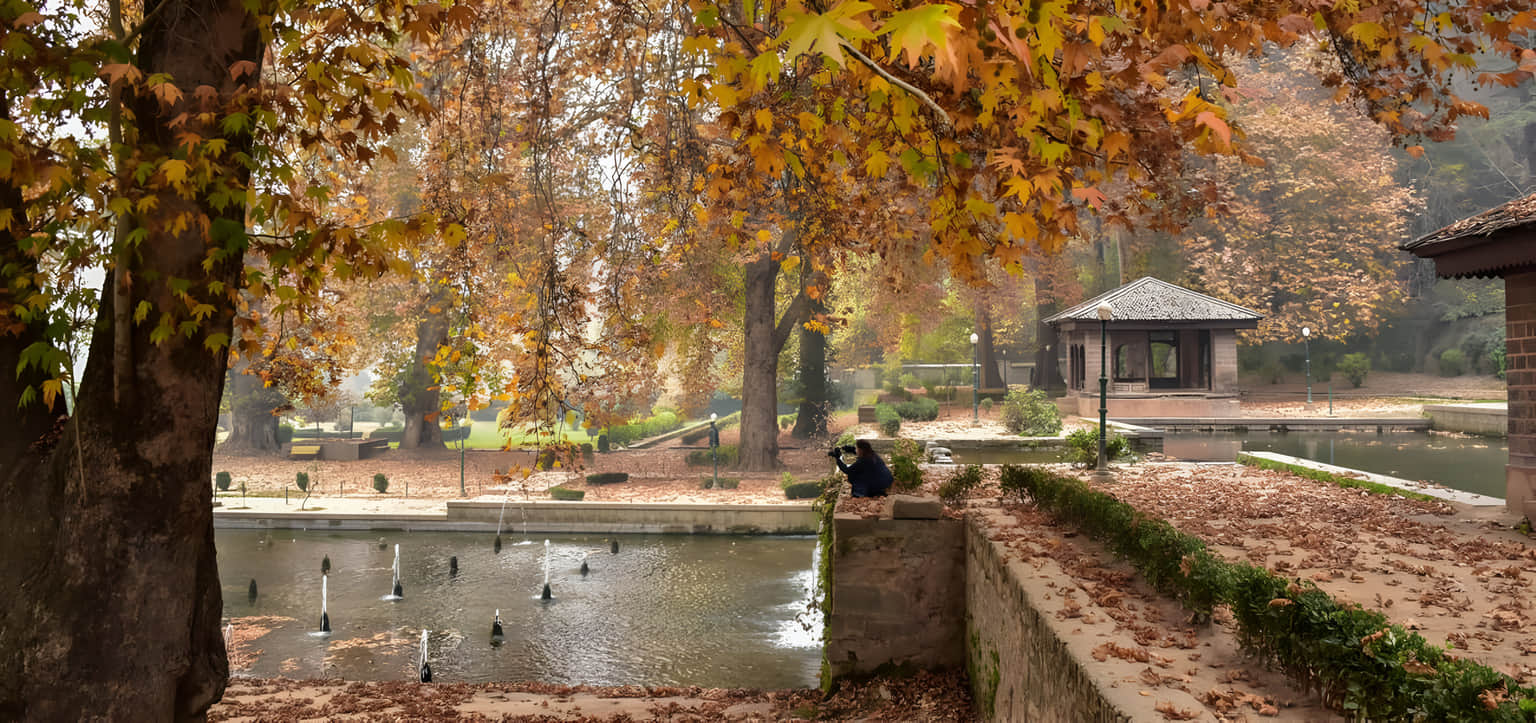
Achabal Garden, Kashmir
About Achabal Garden
Day Wise Timings
Achabal Garden opening hours through the week.
Achabal Garden Highlights

Why Choose Thrillophilia?
3 Million+
Happy customers from 70+ countries all around.
4.8/5
Rated across Trip Advisor and Google reviews.
Curated With Love
Special curated Indian itineraries built for Indians.
24/7 Assistance
Always there to help before and during trips.

Point of Interest for Achabal Garden
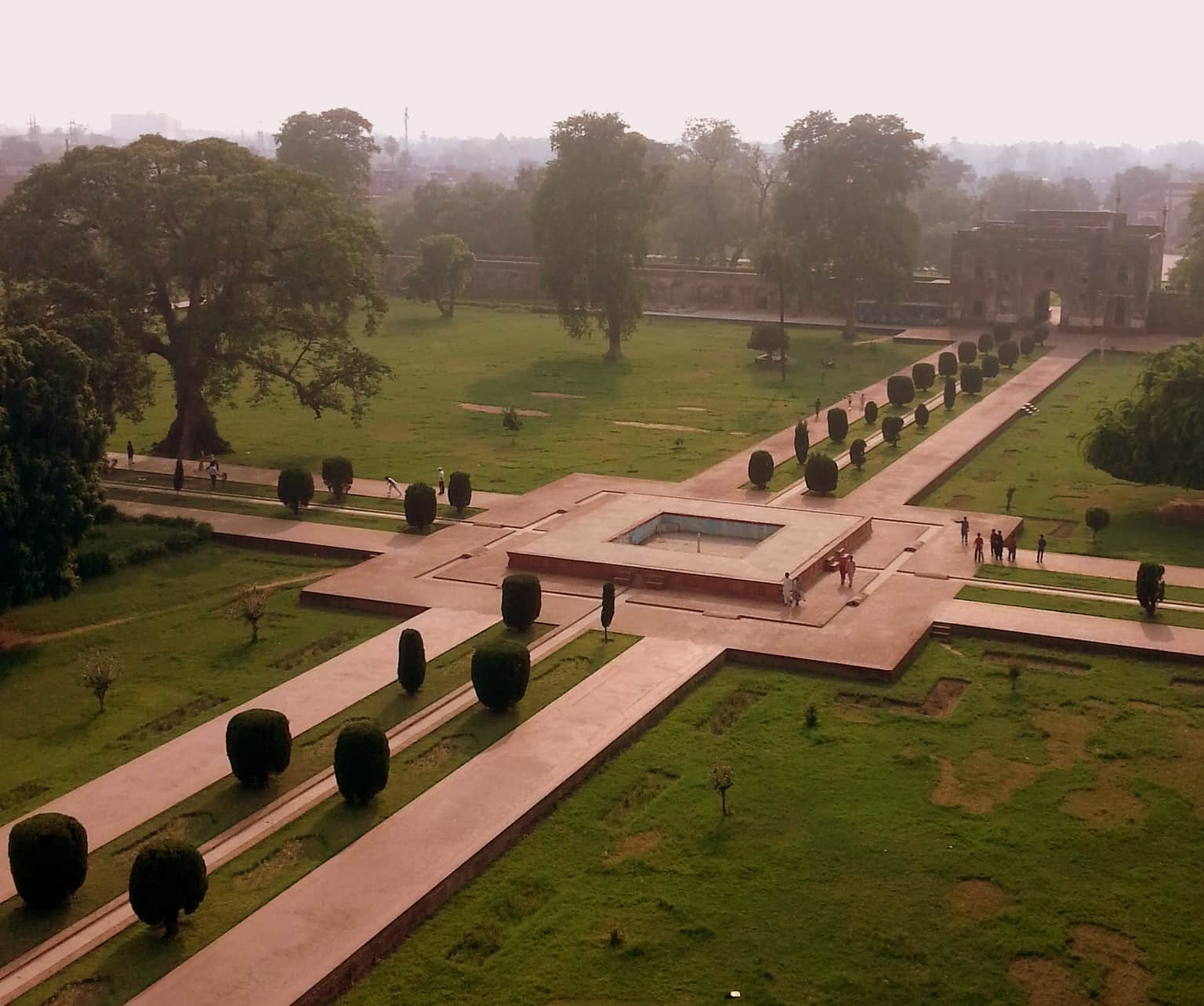
Walk Through the Mughal Charbagh Layout
Step into the garden and explore its four terraced levels, each built in an ascending order. Walk along the stone pathways lined with chinar trees and symmetrical flowerbeds. Observe how the garden follows the classic Persian Charbagh style, with water channels dividing the landscape into geometric sections. This is just one of many beautiful places to visit in Jammu and Kashmir that showcases the region's rich cultural heritage and natural beauty.

Explore the Mughal-Era Hammam
See the remains of the Hammam from the Mughal dynasty, which was constructed under Noor Jahan's direction. Built of brick and stone, this royal bathhouse once had an advanced water heating system. Imagine how the Mughal royal family used to relax inside this structure as you look at its intricate design.
Achabal Garden FAQs
Popular Related Attractions








.jpg?w=1536&q=65&format=auto)


More Things to Do in Kashmir
Quick links to everything else worth a slot on a longer stay.